


Agrotourism in Cyprus: Staying in a Village House
Agrotourism offers a unique way to experience the authentic heart of Cyprus, moving beyond the coastal resorts to discover traditional village life and genuine Cypriot hospitality. It's an opportunity to connect with local culture, savour regional flavours, and appreciate the island's natural beauty.
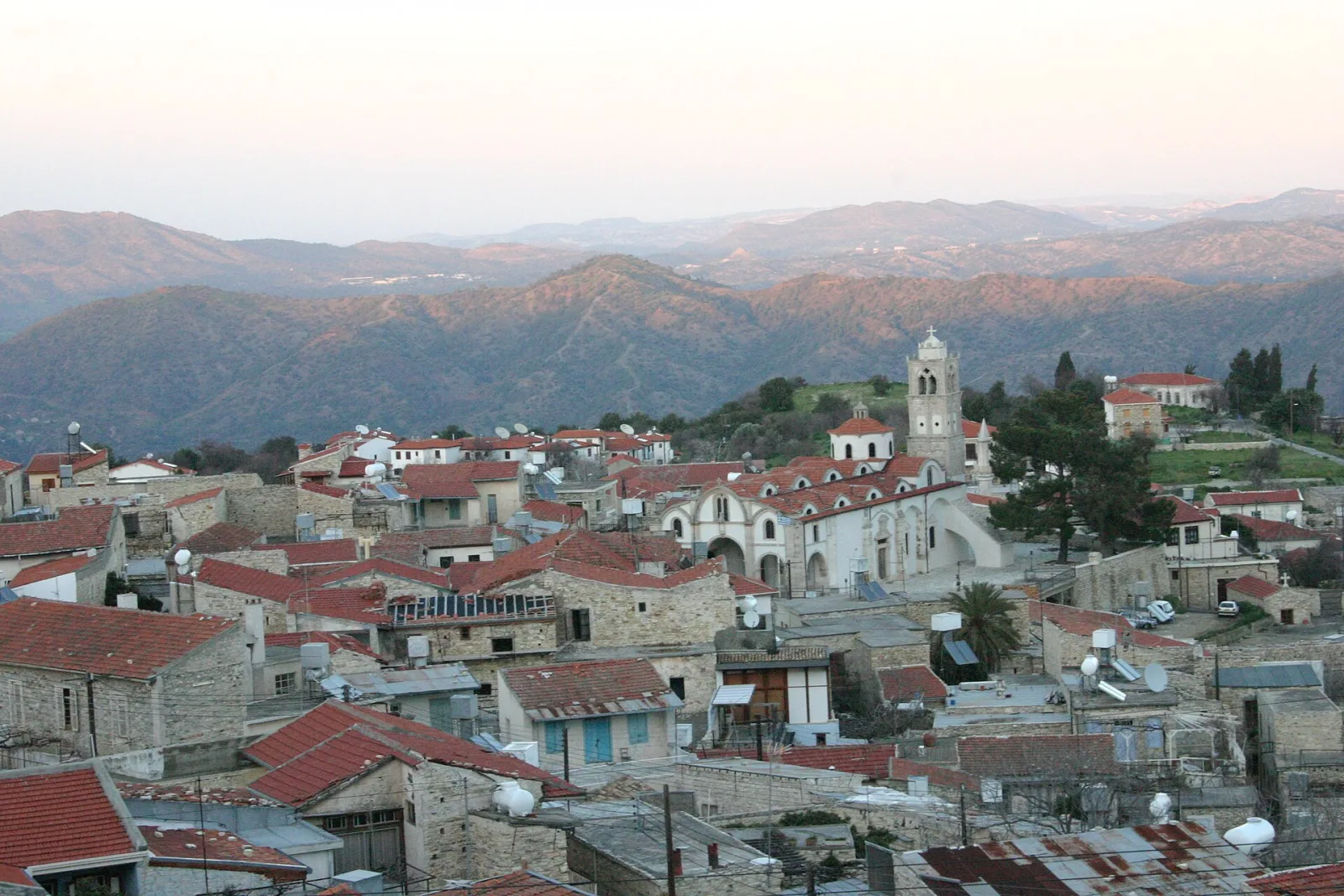
Embracing the Cypriot Countryside
For those seeking an authentic and immersive travel experience, agrotourism in Cyprus provides a compelling alternative to the bustling coastal resorts. It's an invitation to slow down, connect with the island's rich cultural heritage, and appreciate the serene beauty of its rural landscapes. Agrotourism involves staying in carefully restored traditional village houses, often family-run, which offer a glimpse into a way of life that has endured for centuries.
These properties are typically found in picturesque villages nestled in the foothills of the Troodos Mountains, or scattered across the lower plains, each with its own distinct character. The experience is not just about accommodation; it's about participating in local life, tasting regional delicacies, and enjoying the tranquility of the Cypriot countryside. Many agrotourism establishments are committed to sustainable practices, supporting local economies and preserving the architectural and cultural integrity of their communities.
Discovering Charming Agrotourism Villages
Cyprus boasts a number of villages that have embraced agrotourism, each offering a unique flavour of rural life. In the Limassol district, villages like Lofou stand out with their beautifully preserved stone houses, narrow cobbled streets, and stunning views. Lofou is known for its traditional tavernas serving authentic Cypriot meze and its annual 'Palouzes' festival celebrating the grape harvest. Nearby, Omodos is another gem, famous for its Timios Stavros Monastery, its renowned wine production, and its intricate handmade lace. Strolling through Omodos, you'll find charming artisan shops and welcoming cafes.

Further east, in the Larnaca district, Lefkara is internationally recognised for its exquisite lace (Lefkaritika) and silverwork. A stay in Lefkara allows visitors to wander through its historic streets, admire the traditional architecture, and perhaps even watch local women demonstrating their lace-making skills. Not far from Lefkara is Tochni, a small village that was among the first to develop agrotourism. It offers a peaceful retreat with stone-built houses and a focus on equestrian activities.
In the Paphos region, villages such as Kathikas provide an excellent base for exploring the Akamas Peninsula and the island's western vineyards. Kathikas is particularly known for its wineries and offers opportunities for wine tasting. For those venturing into the heart of the Troodos Mountains, villages like Kakopetria and Kalopanagiotis offer cooler climates and access to stunning natural trails and Byzantine churches. Kakopetria, with its preserved old quarter, is popular for its river and forest surroundings, while Kalopanagiotis is famed for its sulphur springs and the UNESCO-listed Agios Ioannis Lampadistis Monastery.
Experiences Beyond Your Accommodation
Staying in a village house opens up a world of authentic Cypriot experiences. Many agrotourism hosts offer opportunities to engage in local activities. This might include participating in traditional cooking classes where you learn to prepare dishes like souvla, halloumi, or kolokotes (pumpkin pies). Depending on the season, you might even get to help with grape harvesting, olive picking, or the production of local delicacies like soutzoukos (a sweet made from grape must and nuts).
The surrounding areas of these villages are perfect for outdoor enthusiasts. Hiking and cycling trails abound, particularly in the Troodos Mountains and the Akamas Peninsula, allowing you to explore the island's diverse flora and fauna. Birdwatching is also a popular activity, especially during migration seasons. For those interested in history and culture, many villages are home to ancient churches, chapels, and small museums, often housing religious icons and ethnographic exhibits.
Evenings in a Cypriot village are typically relaxed. Enjoy a meal at a local taverna, where the food is often prepared with fresh, seasonal ingredients from nearby farms. Engage in conversation with locals, who are generally very welcoming and eager to share their culture. The slower pace of village life encourages relaxation and a deeper appreciation for the simple pleasures.
Culinary Delights of the Countryside
One of the most rewarding aspects of agrotourism is the food. Cypriot cuisine is a delightful blend of Mediterranean and Middle Eastern influences, with an emphasis on fresh, locally sourced ingredients. In village tavernas, you can expect generous portions of meze – a spread of small dishes that can include dips like tahini and tzatziki, various salads, grilled halloumi cheese, local sausages (loukaniko), and slow-cooked stews. Don't miss the opportunity to try kleftiko, lamb slow-cooked in a traditional clay oven, or souvla, large pieces of meat grilled over charcoal.
Many agrotourism accommodations also offer breakfast featuring homemade jams, freshly baked bread, local cheeses, and eggs from their own farms. You might find yourself enjoying fresh fruit picked straight from the garden. The villages are also prime locations to sample Cypriot wines, particularly in the Paphos and Limassol wine regions, where numerous small wineries offer tours and tastings.
Practical Tips for Your Agrotourism Stay
- Booking: It's advisable to book your agrotourism accommodation in advance, especially during peak seasons, as many properties have a limited number of rooms. Look for establishments certified by the Cyprus Agrotourism Company for quality assurance.
- Transportation: A rental car is highly recommended for exploring the villages and surrounding areas. Public transport to many of these smaller villages can be infrequent.
- What to Pack: Comfortable walking shoes are essential for exploring cobbled streets and nature trails. Depending on the season, layers of clothing are advisable, especially in the mountains where evenings can be cooler.
- Language: While Greek is the official language, English is widely spoken in tourist-oriented establishments and by many younger Cypriots. Learning a few basic Greek phrases will always be appreciated.
- Respect Local Customs: Cypriot culture is warm and hospitable. Be mindful of local customs, especially when visiting churches or monasteries (dress modestly).
- Check Locally: Always check local opening hours for attractions, tavernas, and shops, as these can vary, especially in smaller villages.
Plan your trip to Lefkara
Compare prices with KAYAKYou'll be taken to KAYAK to compare prices. We may earn a commission at no extra cost to you.
Plan your trip to Lefkara
🏨Find hotels on Booking.comBooking.comAffiliate links — we may earn a small commission.
Deals from our travel partners
 AC Omonia vs Besiktas JK Tickets - GSP Stadium, 2027-01-28Sports Events 365 · from 244 EUR
AC Omonia vs SL Benfica Tickets - GSP Stadium, 2026-10-22Sports Events 365 · from 244 EUR
AC Omonia vs Celtic FC Tickets - GSP Stadium, 2026-12-10Sports Events 365 · from 244 EUR
Pafos FC vs Riga FC Tickets - Alphamega Stadium (Limassol Arena), 2026-10-22Sports Events 365 · from 76 EUR
AC Omonia vs Besiktas JK Tickets - GSP Stadium, 2027-01-28Sports Events 365 · from 244 EUR
AC Omonia vs SL Benfica Tickets - GSP Stadium, 2026-10-22Sports Events 365 · from 244 EUR
AC Omonia vs Celtic FC Tickets - GSP Stadium, 2026-12-10Sports Events 365 · from 244 EUR
Pafos FC vs Riga FC Tickets - Alphamega Stadium (Limassol Arena), 2026-10-22Sports Events 365 · from 76 EUR
Affiliate links — we may earn a commission at no extra cost to you.
Related guides
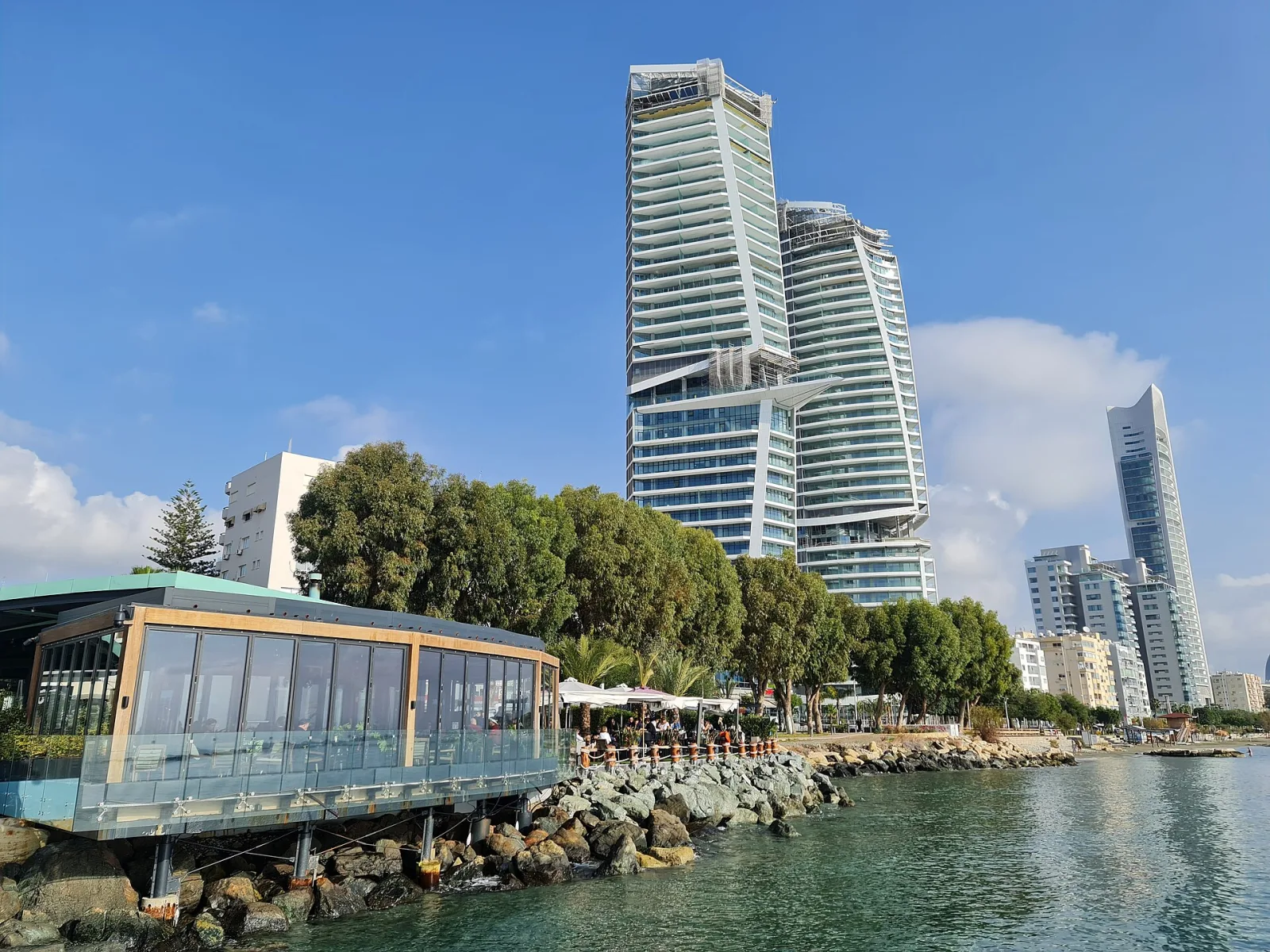
Where to Stay in Limassol: Best Areas for Every Traveller
Limassol, Cyprus's lively coastal city, offers a diverse range of areas to stay, catering to different preferences. Whether you seek bustling nightlife, cultural immersion, or relaxed beachside charm, Limassol has an ideal spot for your visit.
Commandaria: The World's Oldest Named Wine
Delve into the fascinating story of Commandaria, a sweet dessert wine with roots stretching back millennia, deeply intertwined with the history and culture of Cyprus.
Traditional Crafts of Cyprus: Lace, Pottery and Basketry
Cyprus boasts a vibrant legacy of traditional crafts, with skills passed down through generations. From delicate lace to robust pottery and intricate basketry, these crafts offer a tangible connection to the island's cultural soul.
