


Beach Safety in Cyprus: Currents, Jellyfish and Sun
Cyprus has some of the clearest, warmest seas in the Mediterranean, but strong sun, occasional currents and summer jellyfish all deserve respect. Here is how to enjoy the coast safely.
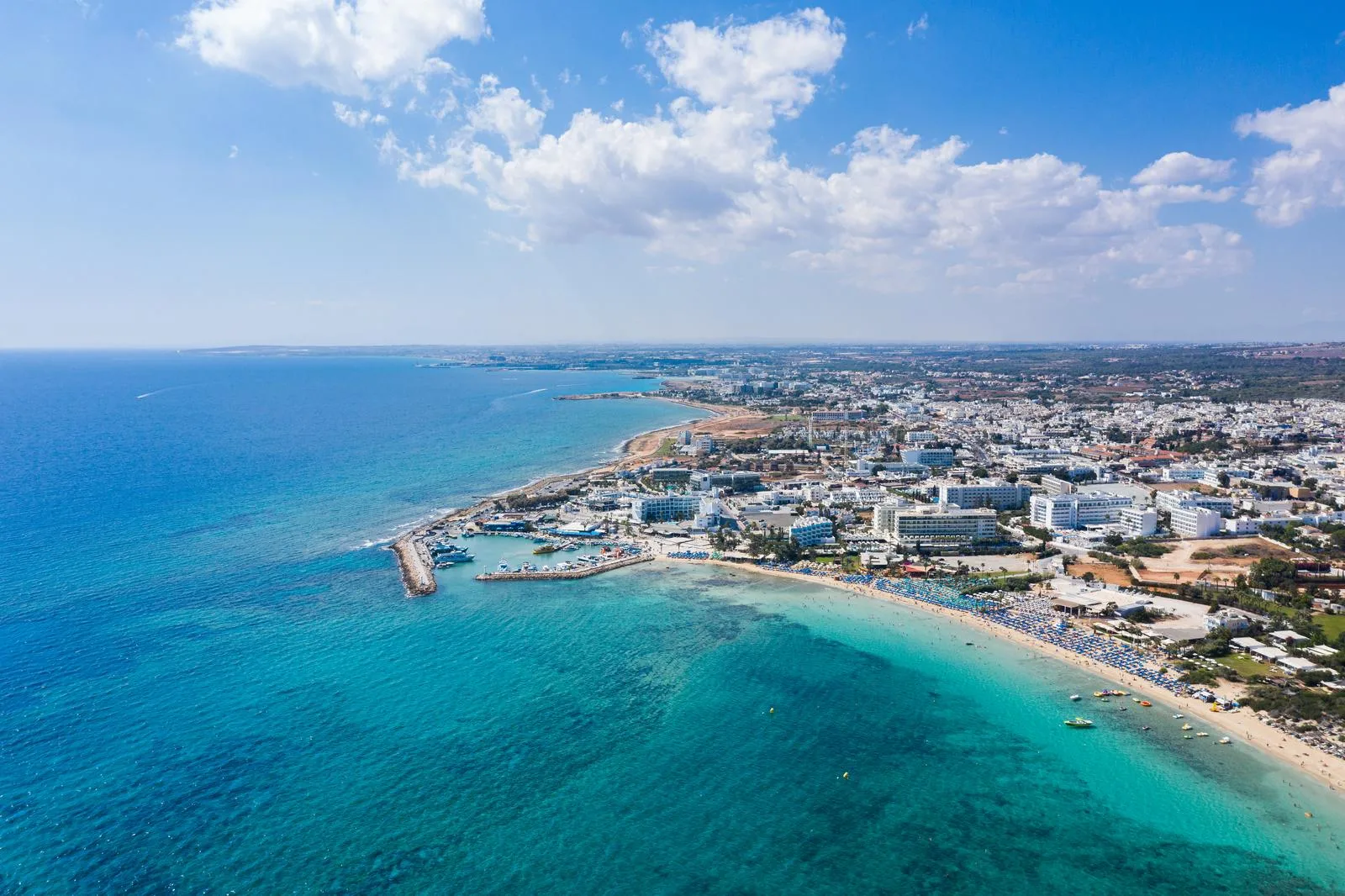
Cyprus is blessed with long summers, mild winters and a coastline that stretches for hundreds of kilometres. The sea is usually clear and inviting, and for most visitors the beach is the highlight of the trip. A few simple precautions, however, will keep your holiday trouble-free. Most beach incidents on the island are minor and avoidable: a burn that could have been prevented, a sting from a jellyfish, or a swimmer who underestimated a current. Knowing what to look for makes all the difference.
Understanding the sea
The Mediterranean around Cyprus is generally gentle, but it is not a swimming pool. The waters are deeper and bluer off rocky headlands, and the seabed can drop away quickly a few metres from the shore. Along the south and west coasts, where many resorts are concentrated, the sea is usually calm in summer. Conditions can change, though, especially when the wind picks up from the south or west. Waves build, the water becomes choppy, and a gentle rip can form near piers, breakwaters and rocky outcrops.
Rip currents are the main hazard for swimmers who are not paying attention. A rip is a narrow channel of water flowing away from the shore, and it can pull even a confident swimmer out past the breaking waves. If you find yourself being carried out, do not panic and do not fight the current head-on. Swim parallel to the beach until you are clear of the flow, then head back towards the shore at an angle. If you cannot get out of it, raise an arm and call for help, and stay afloat.

Take particular care when swimming alone, after a meal, or after drinking alcohol. Children should always be within arm's reach in the shallows, and non-swimmers should stay in water where they can stand comfortably. Lifeguard services operate at many of the busier beaches in the main tourist areas during the season, and the flag system used on the beach is the quickest guide to conditions. Read the flags when you arrive, and if the sea looks rough or the flags advise caution, consider a pool day instead.
Lifeguard flags and local signs
Flags and signs are your first source of information. Green generally means it is safe to swim, yellow signals caution and a need to be alert, and red means swimming is not advised. Some beaches also display warnings about marine life or specific hazards. If you cannot find a flag or sign, ask at your hotel, a beach bar or a local lifeguard post before you go into the water. Staff at resorts are used to answering these questions and will tell you what the conditions are like that day.
Jellyfish and other sea life
Jellyfish appear in Cypriot waters from time to time, especially during warmer months when the sea temperature rises and the wind drives them closer to the coast. Most encounters are unpleasant rather than dangerous. A sting usually causes a burning or stinging sensation, redness and a rash that fades over a few hours or days. Stings from some species can be more painful, and anyone with a known allergy, or who feels unwell, should seek medical help promptly.
If you are stung, get out of the water and rinse the area with seawater rather than fresh water, which can trigger more discharge from the stinging cells. Do not rub the skin. Carefully remove any visible tentacles with tweezers or a gloved hand, and apply a cold pack or a cold compress for pain. Over-the-counter antihistamine creams or painkillers can help with the discomfort. Ask your pharmacist for advice if the sting is severe or spreads. Lifeguards and beach staff can usually point you towards the nearest pharmacy or medical centre.
Sea urchins are another common nuisance on rocky shores and around some coves. Their spines can break off in the skin and cause irritation. Wear water shoes when walking over rocks, and take care when climbing out of the water. Small spines can often be removed with tweezers, though deeper or persistent fragments should be checked by a doctor.
Sun protection
The Cypriot sun is strong, particularly from late spring through early autumn, and the reflection off the water doubles your exposure. Sunburn can develop quickly even on cloudy or breezy days, and it is one of the most common problems visitors face. Apply a high-factor, broad-spectrum sunscreen generously, at least 30 minutes before going out, and reapply regularly, especially after swimming or towel drying. Water-resistant formulas are useful, but they still need topping up.
Protect your head and eyes as well. A wide-brimmed hat and good sunglasses with UV protection will help, and a light shirt or rash vest is ideal for long sessions on the sand or in the water. Seek shade between about 11am and 3pm, when the sun is at its most intense. Umbrellas and beach shelters are widely available at the main beaches, but do not assume they block all the sun, since light reflects off sand and water.
Heat exhaustion and dehydration are easy to overlook. Drink water throughout the day, not just when you feel thirsty, and be wary of alcohol, which speeds up dehydration. Warning signs include headache, dizziness, nausea and muscle cramps. Move to a cool, shaded place, sip water and rest. If symptoms do not improve or you become confused, seek medical attention without delay.
Where to swim with confidence
Many of the island's most popular beaches are well organised, with lifeguards, sunbeds, toilets and easy access. Resort areas such as Ayia Napa, Protaras and the southern stretch around Limassol and Paphos have a range of sandy bays that are generally sheltered and suitable for families. Coastal areas in the south-east are typically calm in summer, but always check the flags and the wind before heading out. Quieter, rockier coves can be beautiful, though they often have deeper water and fewer facilities, so they call for extra caution and better swimming skills.
Practical tips
- Check the flags and ask staff about conditions before swimming.
- Swim where lifeguards are on duty whenever possible.
- Never swim alone in unfamiliar water, and avoid swimming after drinking alcohol.
- Keep children within arm's reach and make sure non-swimmers stay in shallow water.
- Wear high-factor sunscreen, reapply often, and wear a hat and sunglasses.
- Carry water and drink regularly, especially in the midday heat.
- Wear water shoes on rocky shores to protect against sea urchins.
- Know where the nearest pharmacy and medical centre are, and check local details before you travel, as services and hours change.
Plan your trip to Ayia Napa
Compare prices with KAYAKYou'll be taken to KAYAK to compare prices. We may earn a commission at no extra cost to you.
Plan your trip to Ayia Napa
🏨Find hotels on Booking.comBooking.comAffiliate links — we may earn a small commission.
Deals from our travel partners
 AC Omonia vs Besiktas JK Tickets - GSP Stadium, 2027-01-28Sports Events 365 · from 244 EUR
AC Omonia vs Celtic FC Tickets - GSP Stadium, 2026-12-10Sports Events 365 · from 244 EUR
Pafos FC vs FC Midtjylland Tickets - Alphamega Stadium (Limassol Arena), 2026-11-26Sports Events 365 · from 92 EUR
Maccabi Tel Aviv vs Zalgiris Kaunas Tickets - Spyros Kyprianou Arena, 2026-12-15Sports Events 365 · from 162 EUR
Affiliate links — we may earn a commission at no extra cost to you.
Related guides

Best Day Trips from Paralimni
Paralimni makes a quiet, authentic base just inland from Protaras. Here are the best day trips from town, from sea caves and monasteries to mountain villages.

What to Pack for a Summer Holiday in Cyprus
Summer in Cyprus is hot, bright and dry for months on end. This practical packing guide covers what to bring for beaches, towns, mountain walks and evenings out.

How to Get to Pissouri and Get Around
Pissouri sits between Limassol and Paphos, close to the Cape Aspro cliffs. Here's how to reach it from the airports and how to get around once you arrive.
