


Best Time to Visit Lefkara: A Month-by-Month Guide
Lefkara rewards visitors in every season, but spring and autumn offer the most comfortable walking weather for its stone lanes and workshops. Here is how the year unfolds.
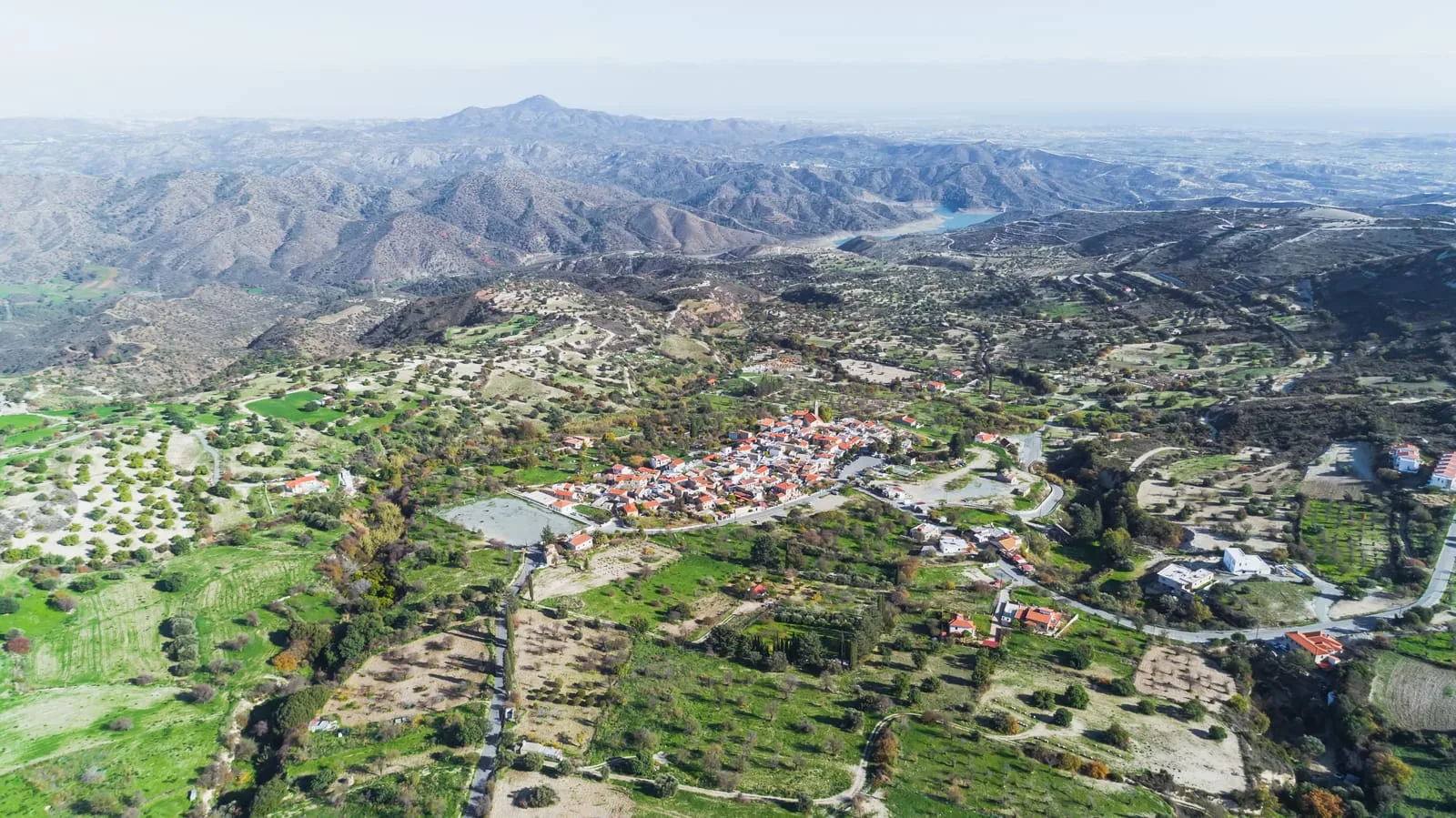
Why timing matters in Lefkara
Lefkara is a small hillside village in the Larnaca District, known across Cyprus and well beyond for its handmade lace, called lefkaritika, and for its fine silverwork. Most of what makes the place special happens at a human pace: women working lace on doorsteps, craftsmen tapping away in small workshops, and visitors wandering the narrow stone lanes between old houses. Because so much of the experience is outdoors and on foot, the season you choose will shape your visit more than you might expect.
The village sits inland and at a higher elevation than the coastal resorts, so it tends to feel a little cooler and fresher than towns near the sea. Summers can still be hot, while winters are mild with occasional cool, damp spells. Below is a month-by-month overview to help you plan.
Late winter: January and February
Winter in Lefkara is quiet. Daytime temperatures are usually mild, though it can feel chilly in the shade of the stone houses, and rain is more likely than at other times of year. The village is at its most peaceful now, which suits visitors who want to chat with lace makers and browse the workshops without any sense of rush. Some seasonal activity may be slower, so it is worth confirming opening arrangements with individual workshops before you set out.

Early spring: March and April
Spring is one of the most pleasant times to visit. The surrounding countryside turns green after the winter rains, wildflowers appear along the roadside, and temperatures rise to comfortable levels for walking. March and April are excellent for exploring the lanes at a leisurely pace and for combining a village visit with a drive through the hills. Easter often brings local religious observances, so you may find the village particularly lively around that time, but do check local dates if you are planning around them.
Late spring: May and June
By May the days are warm and long, and the village is still relatively uncrowded compared with the coast. This is a good window for the Church of the Holy Cross and the Museum of Traditional Embroidery and Silversmith-Work, both of which are easy to fit into a relaxed morning. June brings more heat, so it helps to start early and plan a shaded break for lunch. Light, breathable clothing and a hat will serve you well.
High summer: July and August
Summer in Lefkara is hot, and midday in the stone lanes can feel intense, although the village is generally cooler than the lowland towns. The best approach is to schedule your walking for early morning or late afternoon and spend the middle of the day indoors, in a museum or a workshop. Many visitors find the summer evenings especially pleasant. Water is essential, and you should be prepared for limited shade on some of the paths. If you are travelling in peak summer, expect a steady flow of day trippers, particularly at weekends.
Early autumn: September and October
For many travellers, September and October are the ideal months. The summer heat begins to ease, the light softens, and the countryside takes on warm golden tones. The village feels lively without being crowded, and the walking is comfortable from morning until dusk. This is also a good time to enjoy the local food scene around the wider Larnaca District and to plan a broader day that might include other inland villages nearby.
Late autumn: November and December
November is still mild and pleasant, with fewer visitors than in the warmer months. Towards December the weather cools and the days shorten, so plan your visit for the daylight hours and bring a light jacket. The festive period can bring a brief sense of seasonal activity to the area, but the village remains calm compared with the coastal resorts.
Getting to Lefkara
Lefkara is roughly 40 minutes by road from Larnaca International Airport, which makes it a manageable day trip or a relaxed addition to a longer stay. There are no direct public transport links to the village, so the most convenient option is to hire a car, which is widely available at the airport. Taxis can also be arranged from the airport and from major towns, though you should confirm the fare and return arrangements in advance. Driving gives you the freedom to stop at viewpoints and to visit neighbouring villages at your own pace.
Practical tips for your visit
- Spring and autumn offer the most comfortable walking conditions for the stone lanes.
- In summer, visit early in the morning or later in the afternoon and carry plenty of water.
- Workshops and museums may have varying hours, especially outside peak season, so check locally before you travel.
- Wear comfortable shoes with good grip, as paths can be uneven and sometimes steep.
- Respect the working nature of the village. Lace makers and silversmiths are often at work, so ask before taking photographs of people or their work.
- Consider combining your visit with other inland destinations in the Larnaca District for a full day out.
Plan your trip to Larnaca
Compare prices with KAYAKYou'll be taken to KAYAK to compare prices. We may earn a commission at no extra cost to you.
Plan your trip to Larnaca
🏨Find hotels on Booking.comBooking.comAffiliate links — we may earn a small commission.
Deals from our travel partners
 Flights from Larnaca to LjubljanaAir Serbia · from 910 EUR
 AC Omonia vs Besiktas JK Tickets - GSP Stadium, 2027-01-28Sports Events 365 · from 244 EUR
AC Omonia vs Celtic FC Tickets - GSP Stadium, 2026-12-10Sports Events 365 · from 244 EUR
Maccabi Tel Aviv vs Zalgiris Kaunas Tickets - Spyros Kyprianou Arena, 2026-12-15Sports Events 365 · from 162 EUR
Affiliate links — we may earn a commission at no extra cost to you.
Related guides
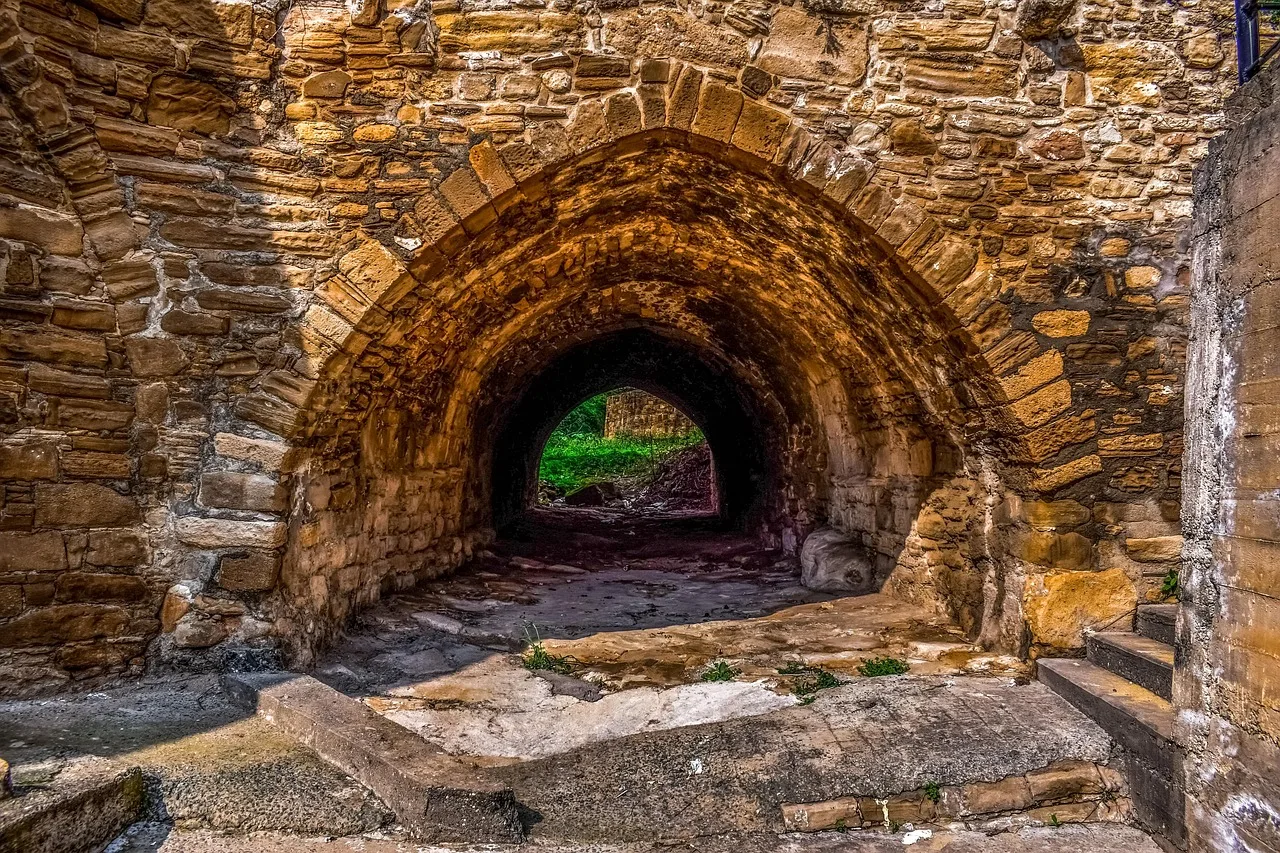
Best Day Trips from Tochni
Tochni is a quiet hillside village with a welcoming countryside feel. From here you can reach ancient ruins, lace-making villages and sunny southern beaches within an easy drive.
Best Day Trips from Paralimni
Paralimni makes a quiet, authentic base just inland from Protaras. Here are the best day trips from town, from sea caves and monasteries to mountain villages.
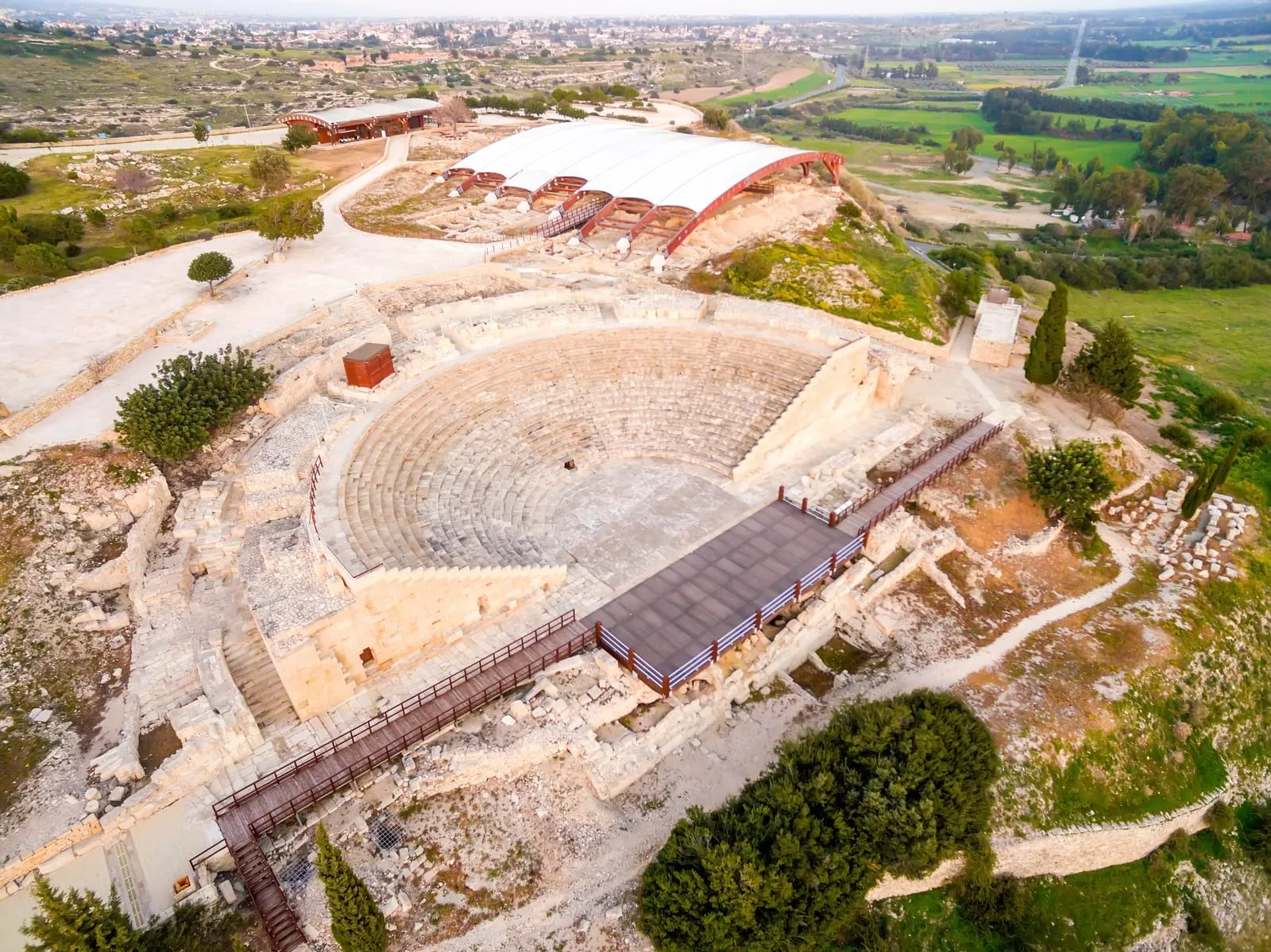
Kourion on a Budget: Practical Money-Saving Tips
Kourion's clifftop theatre, mosaic houses and sea views rank among Cyprus's finest ancient sites. With a little planning, you can enjoy them without overspending.
