


Cyprus for First-Timers
Cyprus packs sandy coves, Venetian-era towns, Byzantine monasteries and mountain villages into a small island. Here is how to choose a route and make the most of a first visit.
Getting your bearings
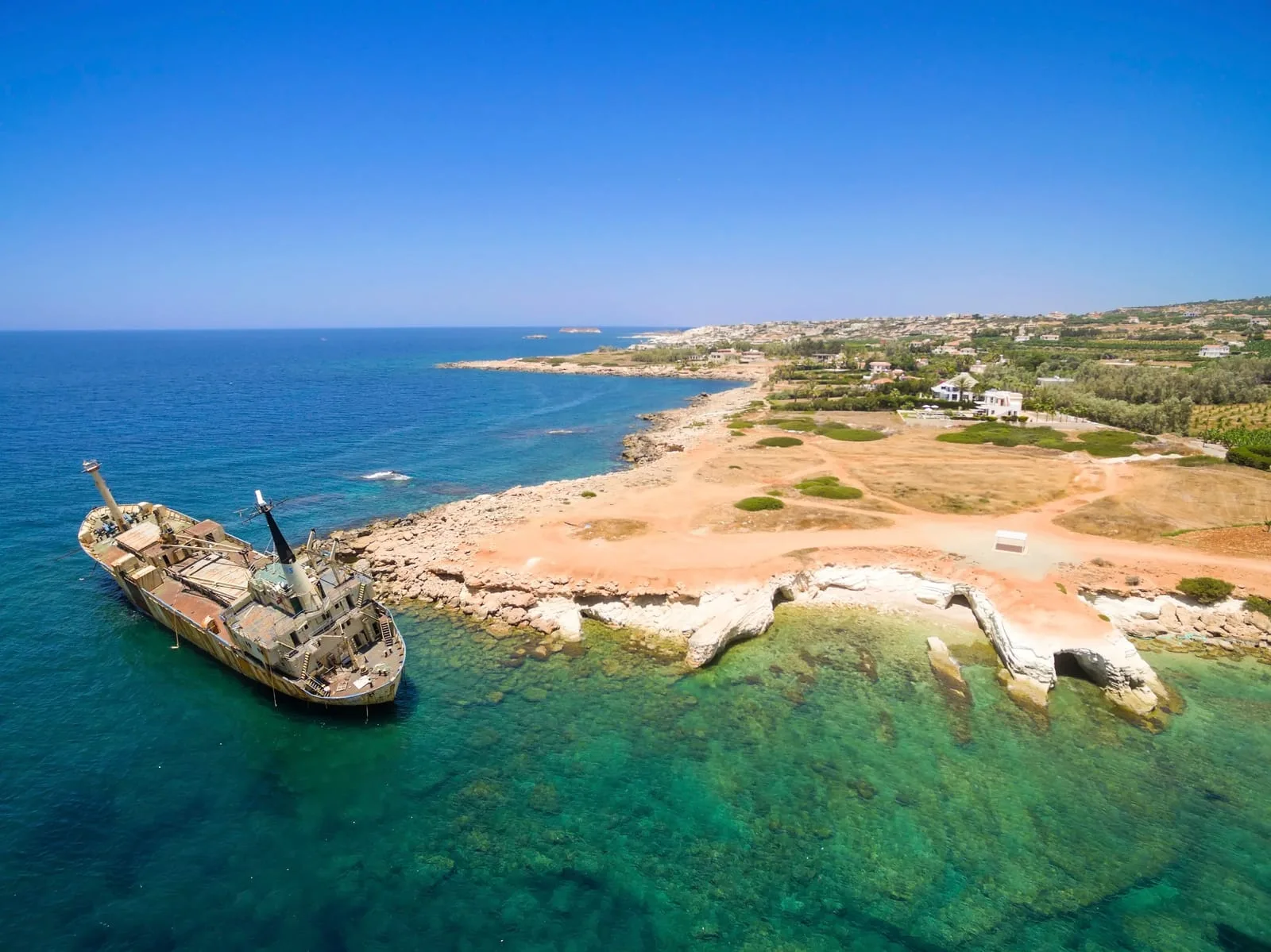
Cyprus is the third-largest island in the Mediterranean, and the part most visitors know is the south and west, administered by the Republic of Cyprus. Its geography is easier to understand than it first looks. A central plain separates two mountain ranges: the Troodos Mountains, which rise to the west and dominate the island's interior, and the lower Kyrenia range to the north. Most of the coastline that visitors use is on the south and southeast, with the western coast giving a quieter, more rural feel.
For a first trip, it helps to think in regions rather than individual towns. The south coast is home to the main resort areas and the lively city of Limassol. The southwest around Paphos combines archaeology with a more relaxed seafront. The east is the place for nightlife and some of the island's best sandy beaches. The mountains offer cooler air, forests and traditional villages, and the central plain, with the capital Nicosia, gives a window into everyday life.
Choosing where to base yourself
Your choice of base will shape the whole trip. Paphos suits first-timers who want a mix of history and sea. The old harbour, the Paphos Archaeological Park and the nearby sites at Kourion can be combined in a single day. Limassol is larger and more urban, with a long promenade, good restaurants and an atmospheric Limassol Old Town. It is an easy base if you want to explore by car and enjoy city evenings.

If beaches and nightlife are your priority, Ayia Napa and Protaras on the east coast are the usual choices. Ayia Napa has a lively centre and the attractive coastline at Cape Greco, while Protaras is quieter and family-friendly, with sheltered sandy bays. Travellers who want a more traditional feel can base themselves in a village in the Troodos foothills and use it as a retreat from the coast.
Beaches worth planning around
Cyprus has an enormous range of beaches. For clear water and fine sand, Nissi Beach near Ayia Napa is one of the best-known, with shallow water that suits swimmers of all ages. Fig Tree Bay in Protaras has a shaded, relaxed atmosphere and calm water. Governor's Beach near Limassol is a good choice for a quieter day, while Coral Bay in Peyia on the west coast is popular with families and has a sandy beach that shelves gently. Mackenzie Beach, close to Larnaca, is ideal for an unhurried afternoon with a drink by the sea.
The Akamas Peninsula in the northwest is wilder, with pine-scented walks and secluded coves. Access is more limited, so check the road conditions and car park arrangements before you go. Pack water, sun protection and sturdy shoes if you plan to explore beyond the main beaches.
History you can actually walk through
Few places in the Mediterranean have such a layered past. At Choirokoitia, a UNESCO World Heritage Site, you can wander among the stone foundations of a Neolithic settlement dating back around nine thousand years. At Kourion, the ruins of a Greco-Roman city sit on a hillside above the sea, with a well-preserved theatre and mosaics. In Paphos, the archaeological park contains Roman villas with floor mosaics that rank among the finest in the region.
Medieval and Ottoman-era heritage shows up in the villages. The lace-making village of Lefkara is known for its traditional embroidery, and you will see it sold in workshops across the island. The Byzantine painted churches of the Troodos, many of them now UNESCO-listed, are small and atmospheric. Their interiors are often remarkable, so bring a light layer if you are visiting in summer, since many are cool inside.
The Troodos and the mountain villages
Once the heat of the coast becomes too much, head up to the Troodos Mountains. The area has pine forests, walking trails and a sense of quiet that feels worlds away from the beach. Platres is a classic hill resort, while Omodos and Lofou offer stone-built streets and small tavernas. The Kykkos Monastery is one of the island's most important religious sites and is worth visiting in the context of Cypriot Orthodox tradition; dress modestly. Villages such as Pedoulas and Kakopetria make good stops on a day trip with hiking or simple wandering.
Food and drink
Cypriot food is built around meze, a procession of small dishes that can turn a lunch into a long, lazy event. Expect halloumi, grilled or fried; souvlaki; koupes, the bulgur and meat parcels; and seasonal salads with local olives and herbs. Try lountza, a dry-cured pork loin, and flaounes, a sweet-savoury bread flavoured with mint and cheese, often served at Easter. Local wines, including the sweet Commandaria, have a long history and pair well with desserts. In the mountains, look for village bread and honey, and in fishing harbours, grilled fish is usually a safe bet.
Getting around
A rental car is the most flexible option, especially if you want to reach the mountains, the Akamas or villages off the main roads. Roads are generally good, though some mountain routes are narrow and winding. Public buses connect the main towns and are inexpensive, but they can be infrequent outside the summer season. Taxis are available in the larger towns and resort areas. Distances are short, so even a cross-island drive rarely takes more than a couple of hours.
When to go
Spring and autumn are the most comfortable seasons, with warm sea temperatures in late spring and early autumn and pleasant walking weather. Summer is hot and busy, particularly on the coast, but the mountains remain cooler. Winter is mild on the coast and cold in the Troodos, where snow is possible at higher elevations.
Practical tips
- Carry sun protection and water, especially if you plan to hike or visit archaeological sites in summer.
- Dress modestly when visiting monasteries and churches, covering shoulders and knees.
- Book popular restaurants and rental cars ahead in peak season; check locally for current opening hours.
- Learn a few Greek words such as kalimera (good morning) and efcharistó (thank you); English is widely spoken.
- Check local guidance before travelling to remote areas or hiking trails, and carry a charged phone and a map.
Plan your trip to Ayia Napa
Compare prices with KAYAKYou'll be taken to KAYAK to compare prices. We may earn a commission at no extra cost to you.
Plan your trip to Ayia Napa
🏨Find hotels on Booking.comBooking.comAffiliate links — we may earn a small commission.
Deals from our travel partners
 AC Omonia vs Besiktas JK Tickets - GSP Stadium, 2027-01-28Sports Events 365 · from 244 EUR
AC Omonia vs Celtic FC Tickets - GSP Stadium, 2026-12-10Sports Events 365 · from 244 EUR
Pafos FC vs FC Midtjylland Tickets - Alphamega Stadium (Limassol Arena), 2026-11-26Sports Events 365 · from 92 EUR
Maccabi Tel Aviv vs Zalgiris Kaunas Tickets - Spyros Kyprianou Arena, 2026-12-15Sports Events 365 · from 162 EUR
Affiliate links — we may earn a commission at no extra cost to you.
Related guides
Best Day Trips from Paralimni
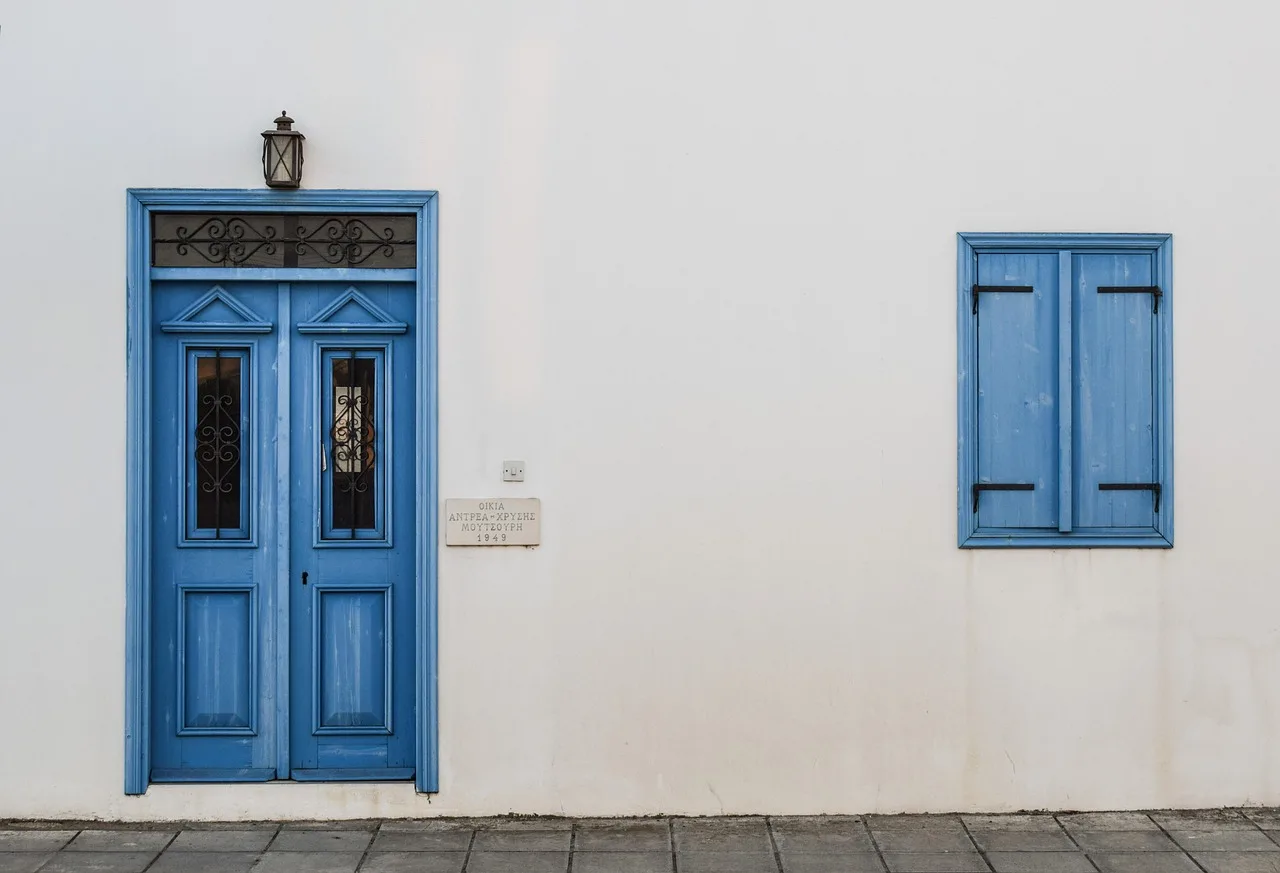
Paralimni makes a quiet, authentic base just inland from Protaras. Here are the best day trips from town, from sea caves and monasteries to mountain villages.
Kourion on a Budget: Practical Money-Saving Tips
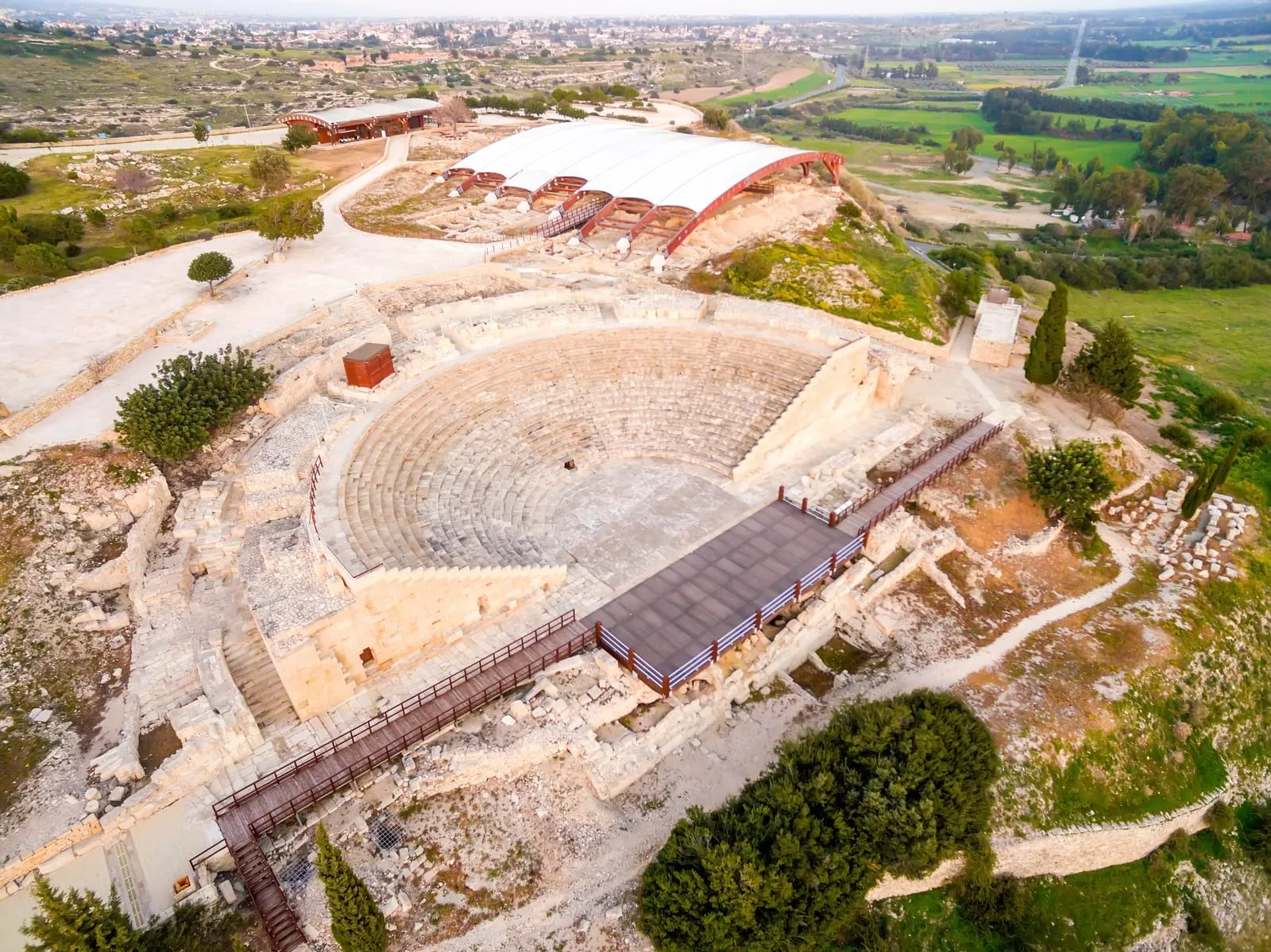
Kourion's clifftop theatre, mosaic houses and sea views rank among Cyprus's finest ancient sites. With a little planning, you can enjoy them without overspending.
Golf in Cyprus
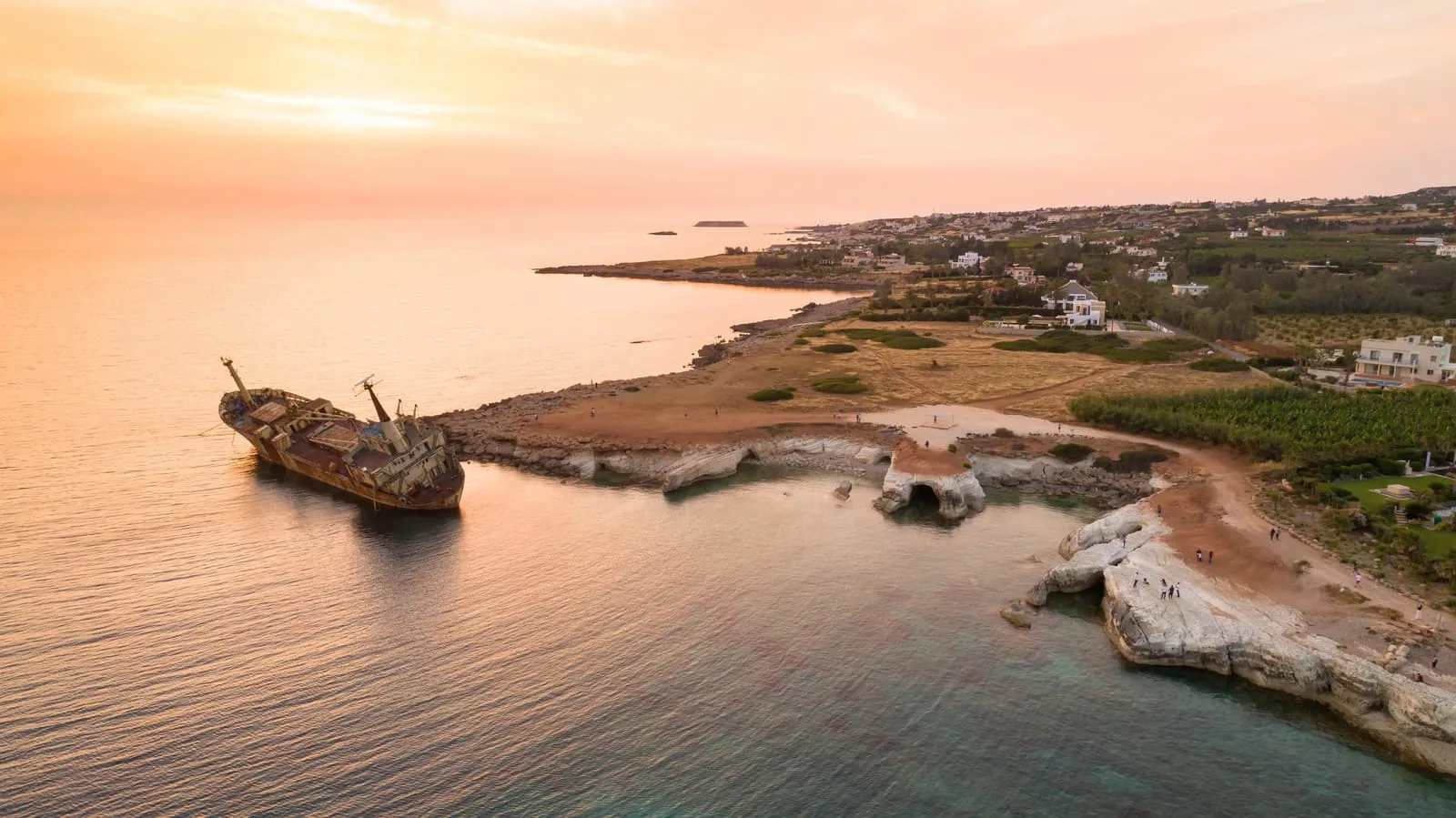
Cyprus has become a quiet favourite with golfers, offering sunny winter fairways, sea views and a relaxed pace. Here is what to know before you tee off.
