


Cyprus Independence Day (1 October)
Every 1 October, Cyprus marks the day it became an independent republic in 1960. Here is what the holiday means and how travellers can experience it.
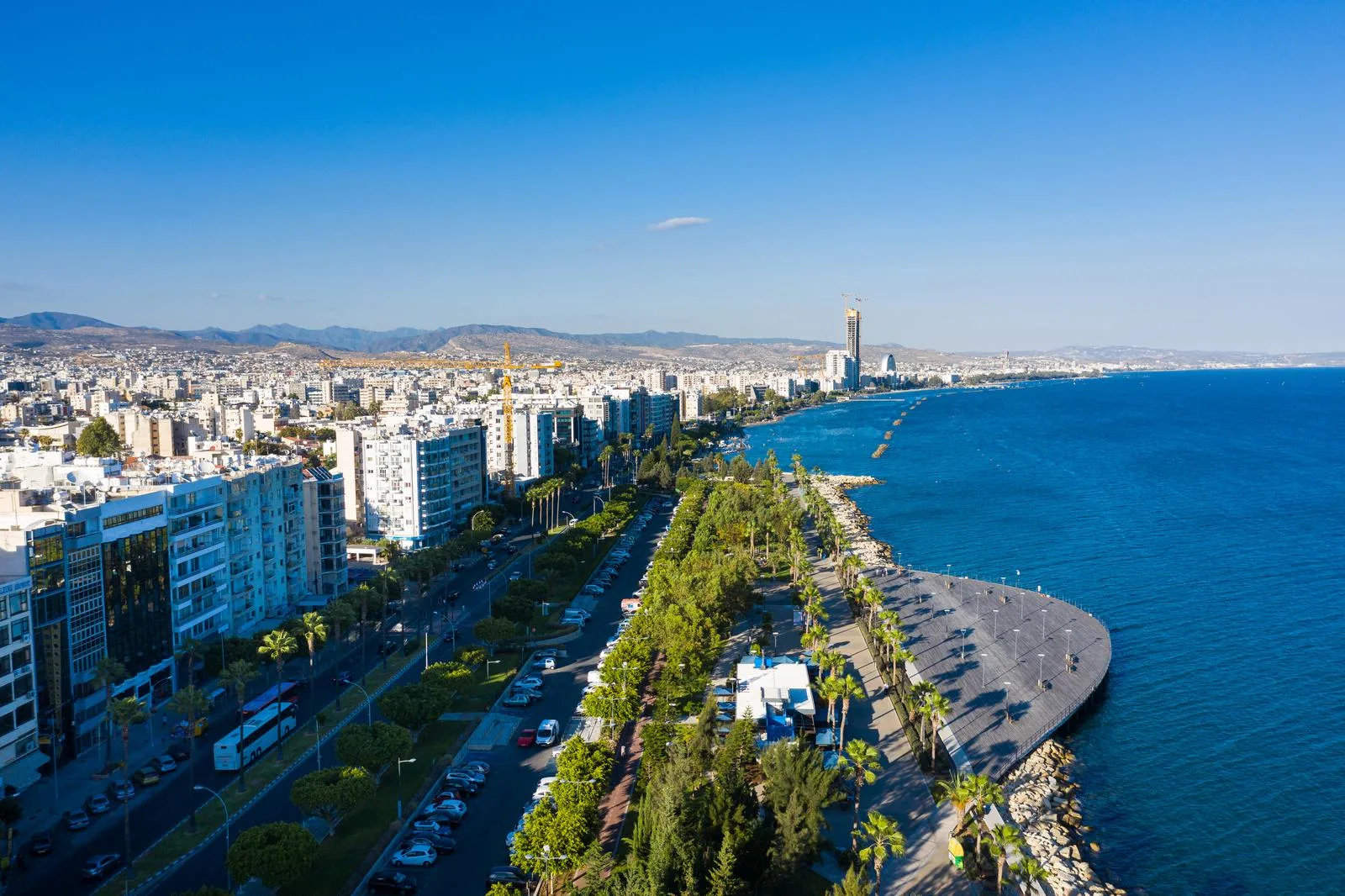
What Cyprus Independence Day commemorates
Cyprus Independence Day falls on 1 October and marks the day in 1960 when the Republic of Cyprus came into being. After nearly a century of British administration, which began in 1878 and became a Crown Colony in 1925, the island gained its independence following a long political and armed struggle. The constitution agreed at the time was based on a power-sharing arrangement between the Greek Cypriot and Turkish Cypriot communities, and the Treaty of Establishment granted the United Kingdom retained sovereign base areas, most notably at Akrotiri and Dhekelia.
The republic's early years were marked by constitutional tensions, and the arrangement broke down in the mid-1960s. Today, 1 October is celebrated as a national day by the Republic of Cyprus, and it is a time for reflection on the island's modern history as well as on the aspirations that shaped the independence movement.
How the day is marked
Independence Day is a public holiday in the Republic of Cyprus, so government offices, many banks, schools and some businesses are closed. The day is usually observed with official ceremonies in the capital, Nicosia, where state representatives lay wreaths and attend formal events. Military parades and displays are part of the proceedings in some years, and schools often hold performances, recitations and exhibitions celebrating the nation's history.

Across the wider island, towns and villages tend to mark the day in quieter, more local ways. Community events, concerts and flag-raising ceremonies appear in many places, and families often gather over a long lunch. The mood is generally one of civic pride rather than wild festivity, so visitors should expect a calm, respectful atmosphere in most places.
Where to experience the celebrations
For the most formal atmosphere, Nicosia is the obvious choice. The old walled city and the central streets around Eleftheria Square are where official events are most visible, and the capital's museums and galleries are a good way to learn more about the island's story before or after the day's events. Check locally for the exact programme, as timings and routes can change from year to year.
Limassol and Larnaca also host local celebrations, and the seafront areas in both cities tend to be lively in the evening. Paphos, with its strong sense of local identity, offers a more relaxed setting in which to see how smaller communities mark the occasion. If you prefer a slower pace, the villages of the Troodos foothills often hold their own gatherings, and the mountain air makes for a pleasant day out.
Travellers who want to combine a national holiday with the island's history can visit sites that tell the story of Cyprus across the centuries. Kourion, with its ancient theatre overlooking the sea, is an excellent example, as is the Choirokoitia Neolithic settlement, one of the best-preserved early farming villages in the Mediterranean.
Food and traditions to look out for
Holiday meals in Cyprus are generous and social. Look for meze, the traditional spread of small dishes that might include halloumi, souvlaki, koupepia (stuffed vine leaves), sheftalia, tzatziki and village bread. Many tavernas serve special menus on public holidays, and it is worth booking ahead if you plan to eat out at a popular local spot.
Sweets and pastries also play a part in celebrations. Loukoumades, honey-soaked fried dough balls, and flaounes, the Easter cheese pastries, are not limited to their traditional seasons and can often be found in bakeries and cafés. Local wine from the Troodos region makes a fitting accompaniment to a long lunch.
Practical tips for visitors
- Expect many shops, banks and public offices to be closed on 1 October, so plan purchases and errands in advance.
- Check locally for event times and locations, as programmes are confirmed close to the date.
- Book tables at popular restaurants early, particularly in Nicosia, Limassol and Paphos.
- Dress modestly when visiting churches and monasteries, and be respectful during official ceremonies.
- Public transport may run to a reduced schedule, so check timetables locally before travelling.
- Carry some cash for smaller tavernas and village cafés, as not all places accept cards.
Plan your trip to Ayia Napa
Compare prices with KAYAKYou'll be taken to KAYAK to compare prices. We may earn a commission at no extra cost to you.
Plan your trip to Ayia Napa
🏨Find hotels on Booking.comBooking.comAffiliate links — we may earn a small commission.
Deals from our travel partners
 AC Omonia vs Besiktas JK Tickets - GSP Stadium, 2027-01-28Sports Events 365 · from 244 EUR
AC Omonia vs Celtic FC Tickets - GSP Stadium, 2026-12-10Sports Events 365 · from 244 EUR
Pafos FC vs FC Midtjylland Tickets - Alphamega Stadium (Limassol Arena), 2026-11-26Sports Events 365 · from 92 EUR
Maccabi Tel Aviv vs Zalgiris Kaunas Tickets - Spyros Kyprianou Arena, 2026-12-15Sports Events 365 · from 162 EUR
Affiliate links — we may earn a commission at no extra cost to you.
Related guides
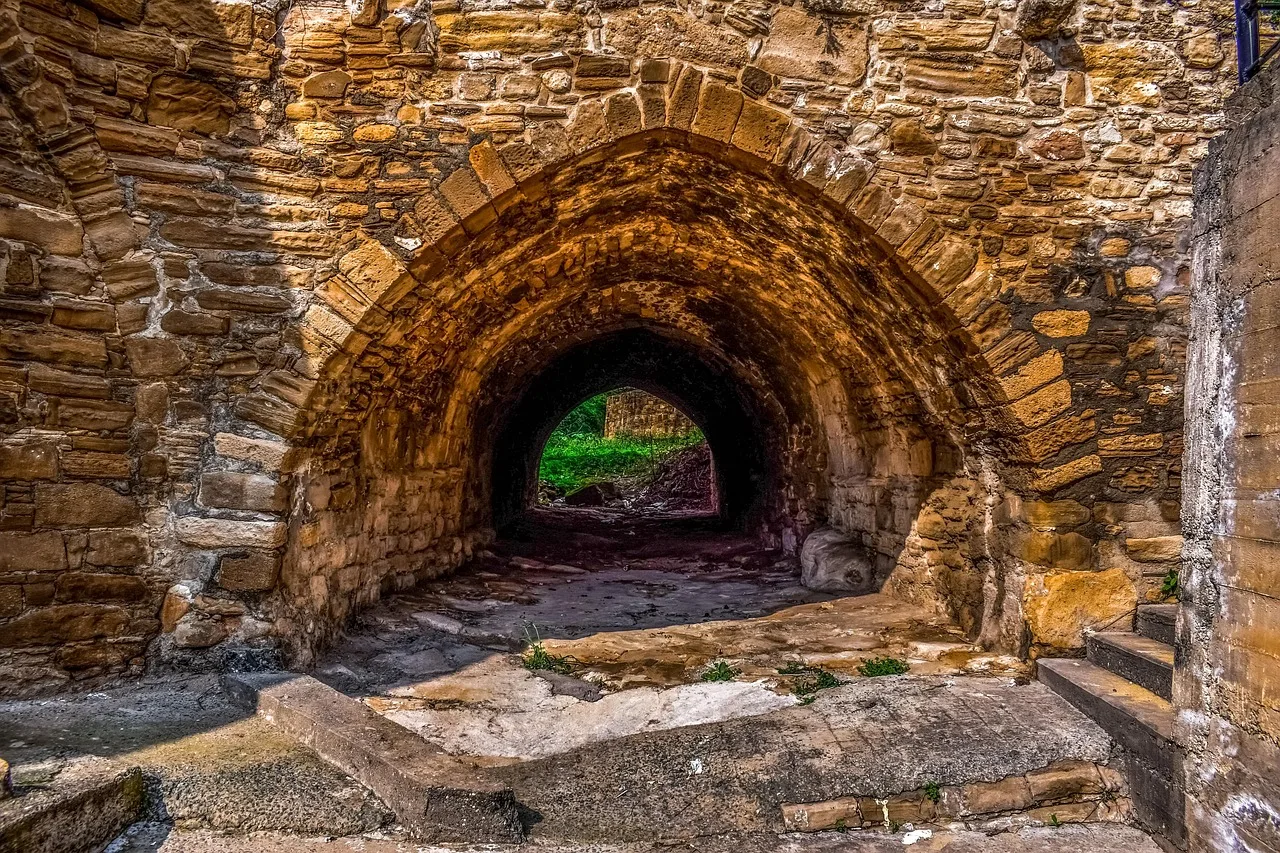
Best Day Trips from Tochni
Tochni is a quiet hillside village with a welcoming countryside feel. From here you can reach ancient ruins, lace-making villages and sunny southern beaches within an easy drive.
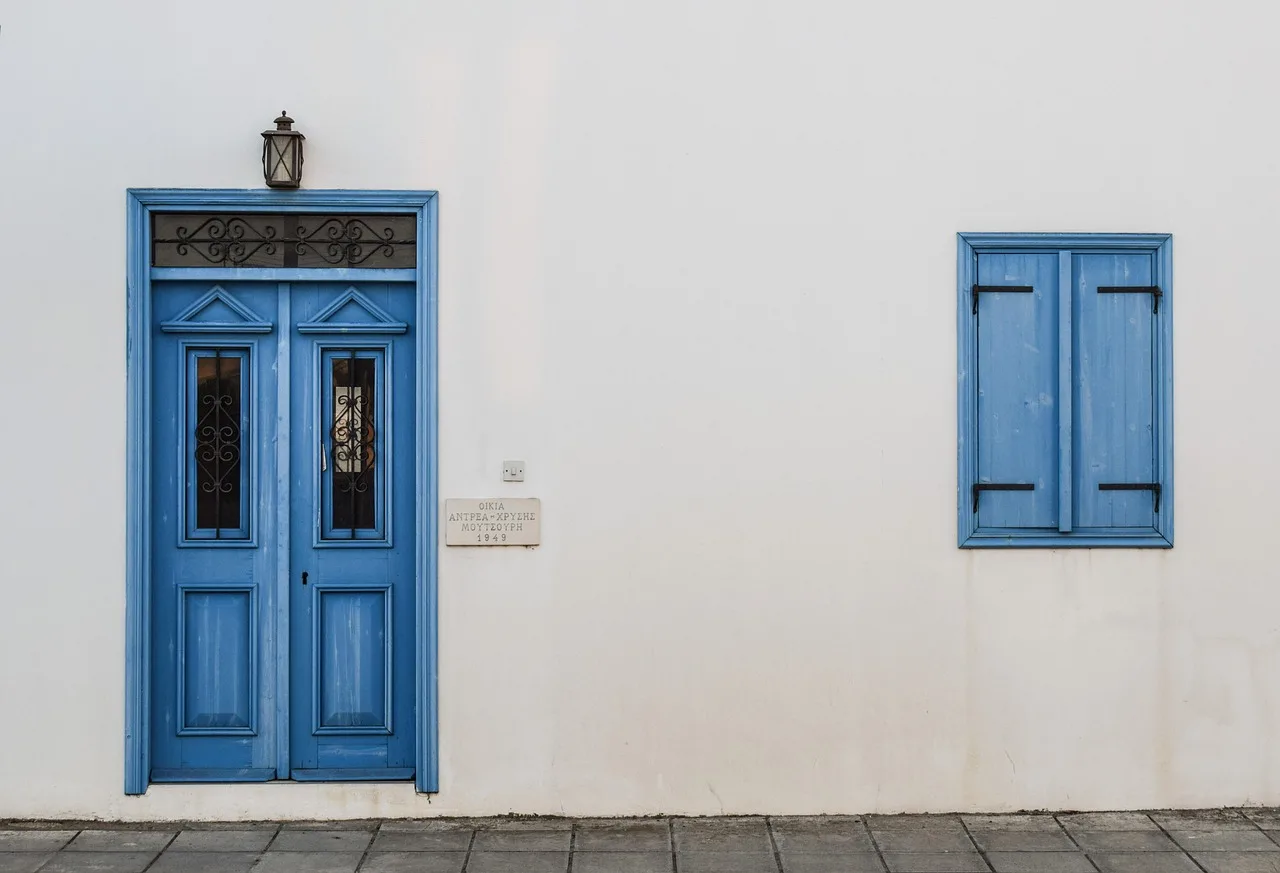
Best Day Trips from Paralimni
Paralimni makes a quiet, authentic base just inland from Protaras. Here are the best day trips from town, from sea caves and monasteries to mountain villages.
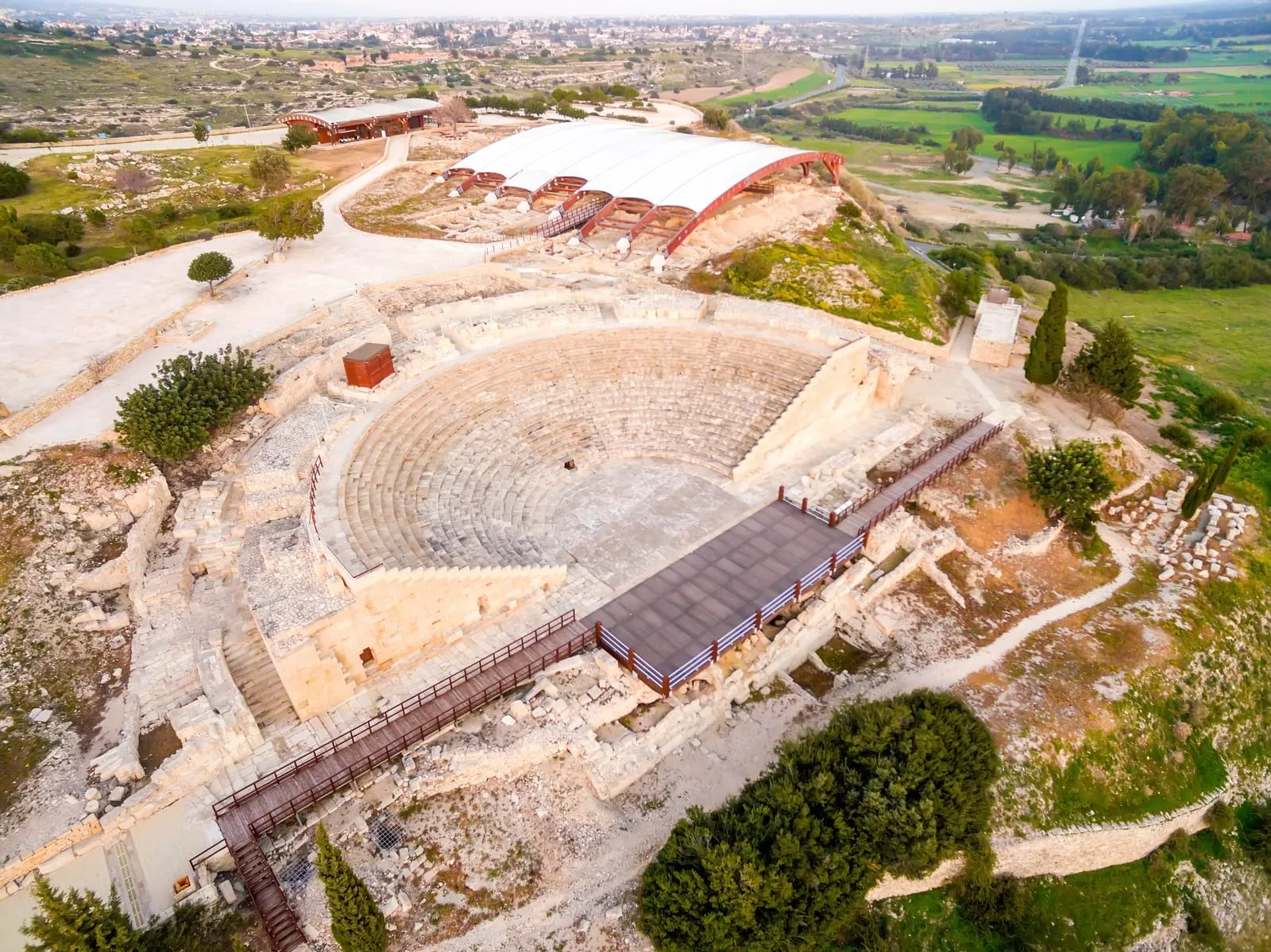
Kourion on a Budget: Practical Money-Saving Tips
Kourion's clifftop theatre, mosaic houses and sea views rank among Cyprus's finest ancient sites. With a little planning, you can enjoy them without overspending.
