


Driving in Cyprus: Rules, Roads and Driving on the Left
Driving in Cyprus offers a fantastic way to explore the island's diverse landscapes, from coastal towns to mountain villages. Understanding local rules and road conditions is key to a smooth and enjoyable journey.
Understanding Cypriot Road Rules
Cyprus drives on the left-hand side of the road, a legacy of British administration. This is perhaps the most significant rule for visitors from countries where driving is on the right. Overtaking is done on the right. Seatbelts are compulsory for all occupants, both front and rear. Children under five years old must use an appropriate child seat, and children between five and ten years old, who are shorter than 150cm, must use a booster seat. Mobile phone use while driving is strictly prohibited unless using a hands-free system.
Speed limits are generally 50 km/h in urban areas, 80 km/h on rural roads, and 100 km/h on motorways. Always pay attention to road signs, as these limits can vary, especially near schools or in specific zones. Traffic lights operate as they do in most European countries, with red meaning stop, amber meaning prepare to stop or go, and green meaning go. There is no 'turn on red' rule. Roundabouts are common, and the general rule is to give way to traffic already on the roundabout coming from your right.
Drink-driving laws are strict, with a low blood alcohol limit. It is advisable to avoid alcohol entirely if you plan to drive. Police conduct random checks, especially during evenings and weekends. In the event of an accident, you must stop, turn on your hazard lights, and if necessary, call the police and emergency services. It's always a good idea to have your rental car's emergency contact details readily available.

Car Rental and Documentation
Renting a car in Cyprus is straightforward for most visitors. The minimum age for car rental is typically 21, though some companies may require drivers to be 23 or even 25, especially for certain vehicle categories. Drivers under 25 may also incur a young driver surcharge. You will need a valid driving licence, and if your licence is not from an EU country, an International Driving Permit (IDP) is highly recommended, although many rental companies will accept a valid national licence if it's in English or accompanied by an official translation. Always check with your chosen rental company in advance.
When collecting your rental car, thoroughly inspect it for any existing damage and ensure it is noted on the rental agreement. Familiarise yourself with the car's controls, especially if it's an unfamiliar model. Most rental cars in Cyprus are manual transmission, but automatics are widely available, often at a slightly higher daily rate. Ensure you understand the fuel policy (e.g., full-to-full, full-to-empty) and the type of fuel your vehicle requires.
Insurance is a crucial aspect of car rental. Basic third-party insurance is usually included, but consider opting for additional coverage, such as Collision Damage Waiver (CDW) with or without an excess, or Super CDW, for greater peace of mind. Read the terms and conditions carefully to understand what is covered and any exclusions.
Navigating Cypriot Roads
Cyprus boasts a well-maintained road network, particularly the motorways connecting major cities like Nicosia, Limassol, Larnaca, and Paphos. These motorways are generally free-flowing and offer a comfortable driving experience. Away from the main arteries, roads can become narrower and windier, especially in rural and mountainous regions such as the Troodos Mountains. Here, you might encounter sharp bends, steep inclines, and occasionally unpaved sections, particularly if venturing off the main routes to explore villages like Omodos or Kakopetria.
Road signage is generally good, with place names often displayed in both Greek and English. Distances are in kilometres. GPS navigation systems and smartphone apps work reliably across the island and are highly recommended for navigating unfamiliar areas. Be aware that some older maps or GPS systems might not reflect newer road developments.
Parking in towns and cities can sometimes be challenging, especially during peak season. Look for designated parking areas, which are often metered or require a parking disc (available from kiosks). Avoid parking illegally, as fines can be issued and vehicles may be towed. In smaller villages, parking is usually easier to find, often in a central square or along wider streets.
Scenic Routes and Destinations by Car
Driving provides the freedom to discover Cyprus's diverse attractions at your own pace. From the bustling streets of Limassol Old Town to the serene beaches of Ayia Napa and Protaras, a car makes exploration effortless. Head east to Cape Greco for stunning coastal views and sea caves, or west towards the Akamas Peninsula for rugged natural beauty.
The journey to the Troodos Mountains is particularly rewarding, with picturesque villages like Platres, Pedoulas, and Kalopanagiotis nestled among pine forests. The drive to Kykkos Monastery, one of the island's most famous monasteries, offers breathtaking mountain vistas. Along the coast, you can easily access archaeological sites such as Kourion, or visit the legendary Aphrodite's Rock (Petra tou Romiou).
For those interested in traditional crafts and charming villages, a drive through the winemaking region or to places like Lefkara, famous for its lace and silver, is highly recommended. Even a short drive from Larnaca can take you to the salt lake, home to flamingos in winter, or to the tranquil Governor's Beach.
Practical Tips for Driving in Cyprus
- Always carry your driving licence, rental agreement, and insurance documents with you.
- Be mindful of motorcyclists and scooter riders, especially in urban areas.
- Watch out for animals on rural roads, particularly goats and sheep.
- Fuel stations are widely available, and most accept credit cards. Some smaller, rural stations may only accept cash or have limited hours.
- In summer, temperatures can be very high. Ensure your car's air conditioning is working well and carry plenty of water.
- Roadside assistance numbers should be kept handy, usually provided by your rental company.
- Allow extra time for journeys, especially if you plan to stop frequently for sightseeing or if you are driving through mountainous terrain.
Plan your trip to Larnaca
Compare prices with KAYAKYou'll be taken to KAYAK to compare prices. We may earn a commission at no extra cost to you.
Plan your trip to Larnaca
🏨Find hotels on Booking.comBooking.comAffiliate links — we may earn a small commission.
Deals from our travel partners
 Flights from Larnaca to LjubljanaAir Serbia · from 910 EUR
 AC Omonia vs Besiktas JK Tickets - GSP Stadium, 2027-01-28Sports Events 365 · from 244 EUR
AC Omonia vs Celtic FC Tickets - GSP Stadium, 2026-12-10Sports Events 365 · from 244 EUR
Maccabi Tel Aviv vs Zalgiris Kaunas Tickets - Spyros Kyprianou Arena, 2026-12-15Sports Events 365 · from 162 EUR
Affiliate links — we may earn a commission at no extra cost to you.
Related guides

Best Day Trips from Paralimni
Paralimni makes a quiet, authentic base just inland from Protaras. Here are the best day trips from town, from sea caves and monasteries to mountain villages.
Kourion on a Budget: Practical Money-Saving Tips
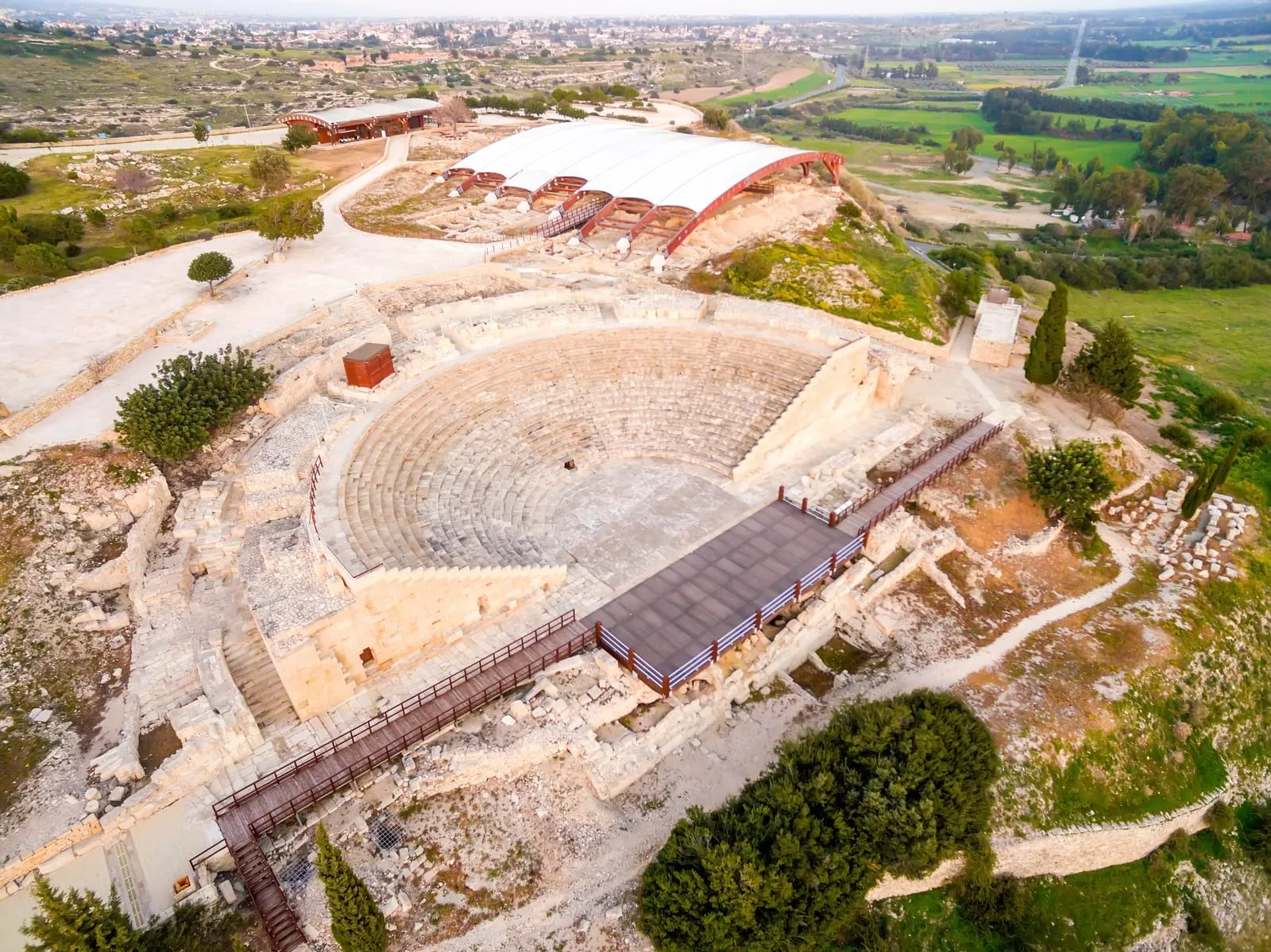
Kourion's clifftop theatre, mosaic houses and sea views rank among Cyprus's finest ancient sites. With a little planning, you can enjoy them without overspending.
Golf in Cyprus
Cyprus has become a quiet favourite with golfers, offering sunny winter fairways, sea views and a relaxed pace. Here is what to know before you tee off.
