


Driving in Cyprus: Rules, Roads and Practical Tips
Driving is the best way to explore Cyprus at your own pace, from the Troodos forests to quiet coastal villages. Here is what to know about rules, roads and renting a car.
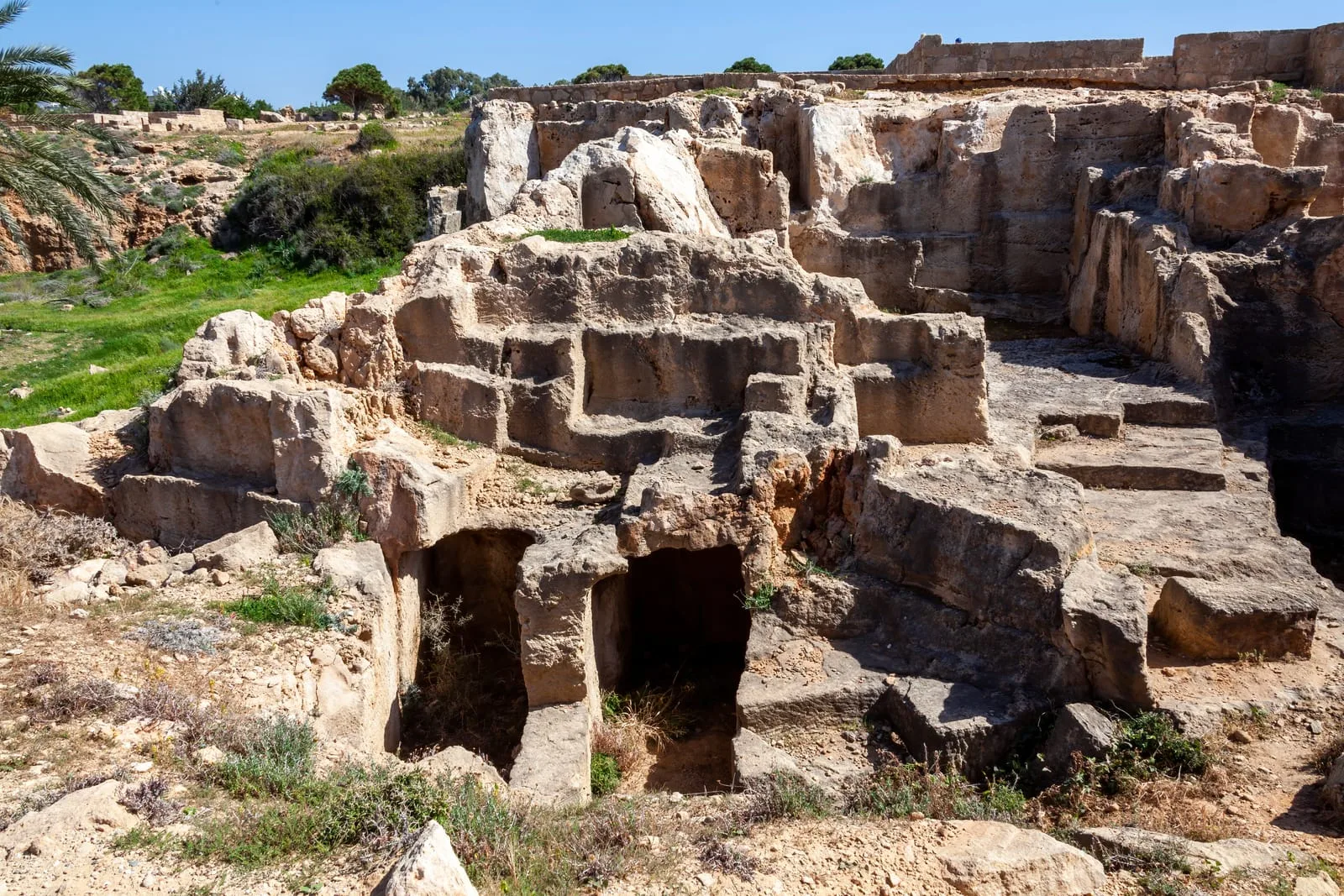
Why Drive in Cyprus?
Cyprus is compact, but public transport outside the main towns is limited, and many of the island's best experiences sit down quiet side roads. A rental car lets you stop at a mountain viewpoint when the light is right, detour to a village bakery or spend an afternoon on a beach without checking timetables. Most visitors find that a car pays for itself within a few days.
The island drives on the left, as in the United Kingdom, and road signs are in Greek and English. Distances are short, so you rarely spend more than an hour or two on the road between major areas such as Paphos, Limassol, Larnaca and Ayia Napa.
The Basic Rules of the Road
Traffic drives on the left and overtakes on the right. Speed limits are typically 50 km/h in towns and villages, 80 km/h on rural roads and 100 km/h on the motorways, though signs vary, so always follow the posted limit rather than assuming. Speed cameras are used across the island, and fines are issued to the registered keeper of the vehicle, so a rental company may pass them on to you with an administrative fee.

Seat belts are compulsory for everyone in the car. Using a mobile phone while driving without a hands-free system is prohibited. The legal limit for blood alcohol is low, and the safest approach is to avoid drinking altogether if you are driving, which is especially important after a long lunch with wine in the countryside.
Roundabouts are very common, especially on the approaches to the larger towns. Give way to traffic already on the roundabout, which is the standard rule in Cyprus as in much of Europe. Traffic lights are also common at busy junctions, and many drivers treat amber as a signal to go, so keep your distance and stay alert at intersections.
Motorways and Main Roads
The island's motorway network is modern and easy to use. The A1 runs between Nicosia and Limassol, and the A3 connects Larnaca and Ayia Napa with the wider network. Toll-free motorways make longer journeys much quicker than the older coastal routes, though the older roads are often more scenic. Fuel stations are plentiful on main routes, but in the mountains and rural areas it is wise to fill up before you set off on a long drive.
Mountain Roads and the Troodos
The roads up to the Troodos Mountains are winding and steep in places, with sharp bends, narrow sections and occasional slow-moving lorries. Drive at a moderate pace, use a lower gear on descents rather than relying on the brakes, and be ready to pull over to let faster traffic pass. In winter, higher roads can be icy or affected by snow, so check conditions locally before heading up, and avoid unnecessary risks in poor weather.
Many of the mountain villages have narrow lanes and limited parking. Park considerately and do not block access for residents or delivery vehicles. Some village centres are best reached on foot after parking at the edge.
Coastal and Rural Roads
Coastal roads offer some of the island's finest views, but they can be busy in the summer months and around popular beaches. Road surfaces in quieter rural areas are generally good, though some minor roads are narrow with unmarked edges. Watch for cyclists, farm vehicles and livestock, particularly in the late afternoon and early evening. Hairpin bends and blind corners call for patience, and it is better to arrive a little later than to rush.
Parking
In towns such as Paphos, Limassol and Larnaca, you will find a mix of paid street parking, municipal car parks and free spaces further from the centre. Look carefully at the signs and any painted lines, as rules differ from one area to another. In Ayia Napa and other resort areas, parking near the beaches fills up quickly in summer, so arriving early pays off. Never park in spaces marked for disabled drivers unless you hold the appropriate permit.
Renting a Car
You will need a valid driving licence. Most visitors from the UK, EU and many other countries can drive on their national licence, but check the current requirements for your own nationality before you travel. Rental companies usually require drivers to be over a minimum age and to have held their licence for a set number of years, and younger or newer drivers may face surcharges.
Read the insurance terms carefully. Basic cover is often included, but excess amounts can be high, and optional excess reduction is common. Check whether the policy covers tyres, windscreens and undercarriage, which are frequently excluded. Take photographs or a short video of the car inside and out before driving away, and make sure any existing damage is noted on the rental agreement. Ask about the fuel policy, too, so you know whether you should return the car full or at a set level.
Practical Tips
- Keep the rental company's emergency number and your insurance documents in the car.
- Carry water and a charged phone, particularly for mountain drives, and let someone know your route.
- Use a navigation app with offline maps, as mobile coverage can be patchy in rural and mountain areas.
- Fill up fuel before heading into remote areas, and check the fuel type your car needs.
- Avoid driving at night on unfamiliar mountain roads if you can, as visibility is reduced and animals may be on the road.
- Check local guidance for current rules, fines, licence requirements and road conditions before your trip, as regulations can change.
Plan your trip to Larnaca
Compare prices with KAYAKYou'll be taken to KAYAK to compare prices. We may earn a commission at no extra cost to you.
Plan your trip to Larnaca
🏨Find hotels on Booking.comBooking.comAffiliate links — we may earn a small commission.
Deals from our travel partners
 Flights from Larnaca to LjubljanaAir Serbia · from 910 EUR
 AC Omonia vs Besiktas JK Tickets - GSP Stadium, 2027-01-28Sports Events 365 · from 244 EUR
AC Omonia vs Celtic FC Tickets - GSP Stadium, 2026-12-10Sports Events 365 · from 244 EUR
Maccabi Tel Aviv vs Zalgiris Kaunas Tickets - Spyros Kyprianou Arena, 2026-12-15Sports Events 365 · from 162 EUR
Affiliate links — we may earn a commission at no extra cost to you.
Related guides
Best Day Trips from Paralimni
Paralimni makes a quiet, authentic base just inland from Protaras. Here are the best day trips from town, from sea caves and monasteries to mountain villages.
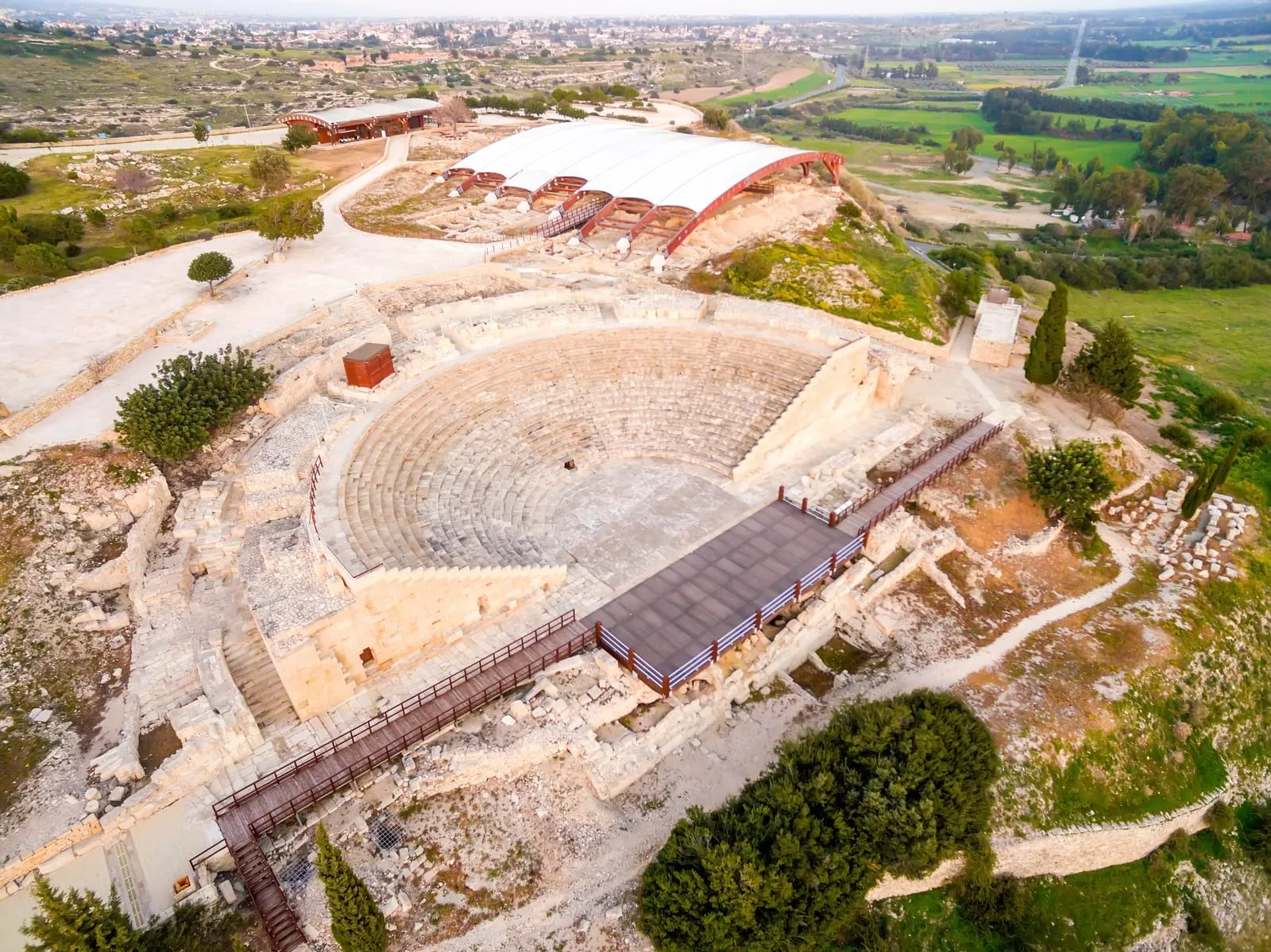
Kourion on a Budget: Practical Money-Saving Tips
Kourion's clifftop theatre, mosaic houses and sea views rank among Cyprus's finest ancient sites. With a little planning, you can enjoy them without overspending.
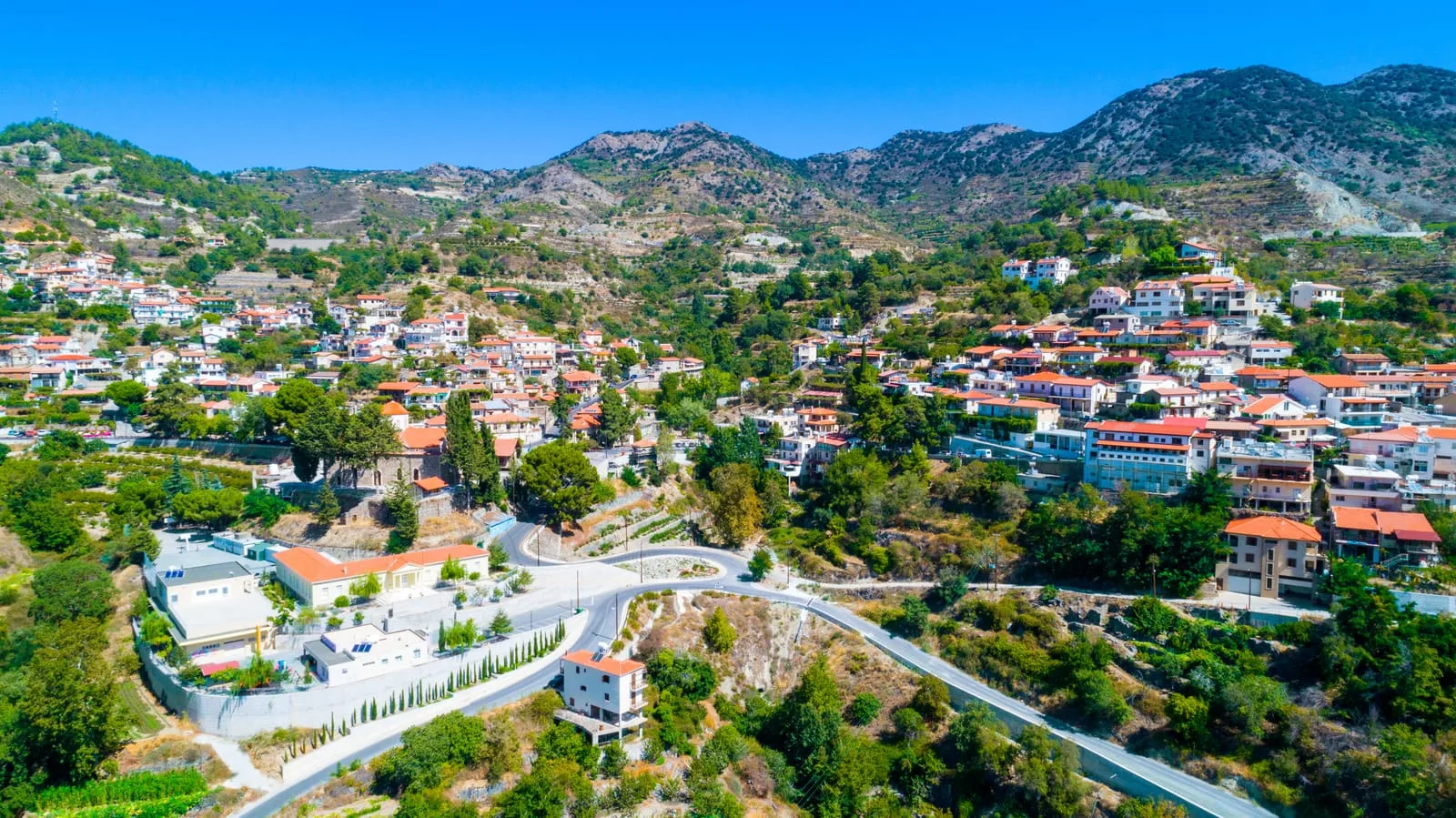
Best Day Trips from Agros
Agros is a quiet base in the eastern Troodos, famous for rose water and cured meats. These day trips take in neighbouring villages, forest walks and mountain monasteries.
