


Halloumi: Where to Taste Cyprus's Famous Cheese
Halloumi is Cyprus's most famous food, and the best way to understand it is to eat it where it is made. Here is where to find the good stuff across the island.

Few foods are as closely tied to Cyprus as halloumi. This firm, semi-hard cheese made from sheep's milk, or a blend of sheep and goat's milk, has been part of island life for centuries. It is salty, slightly squeaky when fresh, and holds its shape when grilled or fried, which is exactly why it became so popular around the world. But the halloumi you eat in a village taverna in the Troodos foothills is often very different from the mass-produced version sold in supermarkets abroad. Knowing where to look makes all the difference.
What makes Cyprus halloumi special
Traditional halloumi is made by heating milk with rennet, cutting the curd, and then shaping and brining the cheese. The result is a mild, milky cheese with a distinctive texture that squeaks against your teeth. Mint is often added to the mixture, giving many versions a fresh, herbal note. Good halloumi should taste of milk first and salt second, and it should have a clean finish rather than a sharp or sour edge.
Because halloumi is a cheese that is best eaten warm, the way it is cooked matters as much as the cheese itself. Locals grill it until the outside turns golden and the inside becomes soft and slightly stretchy. It is also commonly fried in a dry pan without oil, which crisps the surface beautifully.

Where to taste halloumi in the Troodos Mountains
The Troodos Mountains are the spiritual home of Cyprus's dairy tradition, and the villages here have been producing cheese for generations. Pedoulas and Platres are good places to start, with tavernas along the main roads serving plates of grilled halloumi alongside village bread, olives and tomatoes. In Kakopetria, a visit can be combined with a walk through the wooded valleys, making a cheese stop feel like a natural part of a day out in the hills.
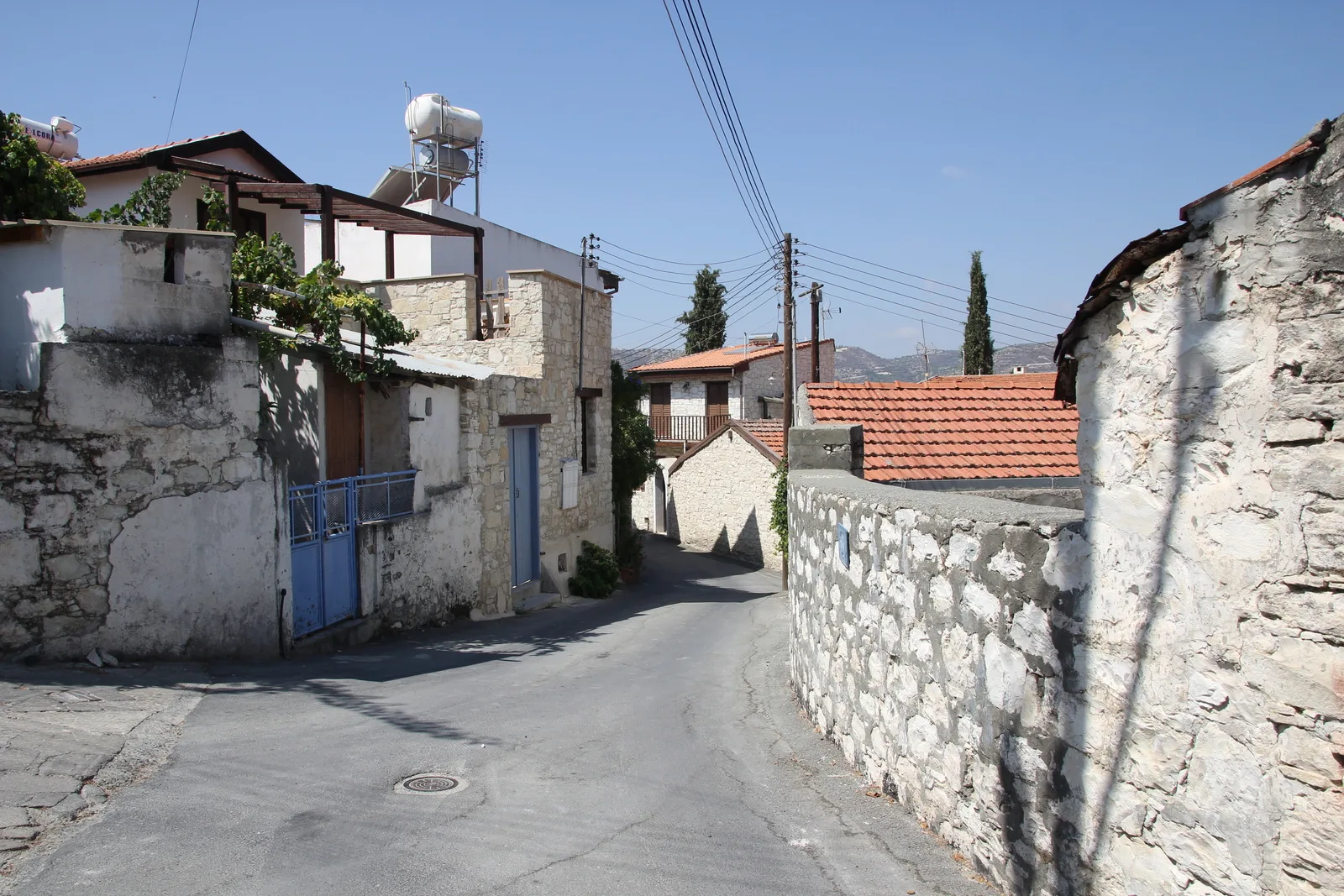
Lofou and Omodos are also worth a detour. These traditional villages are known for their stone houses and slow pace, and several small eateries here serve homemade halloumi with local wine. Eating in a village like this, where the cheese may have come from a farm only a few kilometres away, is one of the most satisfying ways to taste it.
Halloumi on the coast and in the west
In Paphos and Polis Chrysochous, halloumi often appears on mezze platters as part of a longer meal of grilled meats, dips and salads. The west of the island has a long agricultural tradition, and many restaurants here take pride in sourcing from nearby producers. Pomos and Latchi, with their fishing harbours, are good places to pair halloumi with fresh seafood, though it is worth remembering that the cheese is a staple dish in its own right.
In Limassol, the old town and its surrounding tavernas offer a more urban take on the same tradition. Here you will find halloumi served in creative ways, sometimes with honey, fruit or in salads, alongside more traditional preparations.
Halloumi in the east and the south
Larnaca's seafront is lively in the evenings, and many of its restaurants serve halloumi as a starter or as part of a shared meze. In Ayia Napa and Protaras, you can find plenty of options, though the best value and most authentic dishes are often in the smaller tavernas away from the busiest strips. Lefkara, famous for its lace and silverwork, is another good stop where local shops and cafes often sell halloumi produced nearby.
How to order and eat halloumi like a local
Ask for halloumi grilled or fried rather than baked, as this keeps the texture firm and chewy. Many Cypriots eat it with a squeeze of lemon, a few mint leaves, or a drizzle of local honey. It is traditionally served with watermelon or fresh bread, a combination that balances the salt beautifully. Try it as part of a full mezze, where it sits alongside dips such as hummus and tzatziki, grilled sausage and pickled vegetables.
Buying halloumi to take home
If you want to bring some home, look for cheese labelled as Cyprus halloumi and check the ingredients. Traditional versions use sheep's milk, sometimes with goat's milk, and mint. Village shops and farm stalls often sell fresh cheese, but check locally about travel rules and whether your home country allows dairy products to be imported before you pack anything.
Practical tips
- Taste halloumi in more than one place to compare styles, from mild and milky to saltier and firmer.
- Mountain villages are often the best choice for traditional, locally made cheese.
- Order a mezze to try halloumi alongside other Cypriot dishes.
- Check locally for current opening hours, as village tavernas may have seasonal schedules.
- Ask staff where their cheese comes from. Many proud producers are happy to explain.
Plan your trip to Kakopetria
Compare prices with KAYAKYou'll be taken to KAYAK to compare prices. We may earn a commission at no extra cost to you.
Plan your trip to Kakopetria
🏨Find hotels on Booking.comBooking.comAffiliate links — we may earn a small commission.
Deals from our travel partners
 AC Omonia vs Besiktas JK Tickets - GSP Stadium, 2027-01-28Sports Events 365 · from 244 EUR
AC Omonia vs Celtic FC Tickets - GSP Stadium, 2026-12-10Sports Events 365 · from 244 EUR
Pafos FC vs FC Midtjylland Tickets - Alphamega Stadium (Limassol Arena), 2026-11-26Sports Events 365 · from 92 EUR
Maccabi Tel Aviv vs Zalgiris Kaunas Tickets - Spyros Kyprianou Arena, 2026-12-15Sports Events 365 · from 162 EUR
Affiliate links — we may earn a commission at no extra cost to you.
Related guides

Best Day Trips from Agros
Agros is a quiet base in the eastern Troodos, famous for rose water and cured meats. These day trips take in neighbouring villages, forest walks and mountain monasteries.
Best Day Trips from Lofou
Lofou makes an ideal base for exploring the Limassol hills. Here are the best day trips, from mountain villages to coastal stops, and how to plan each one.

Golf in Cyprus
Cyprus has become a quiet favourite with golfers, offering sunny winter fairways, sea views and a relaxed pace. Here is what to know before you tee off.
