


How Much Does a Holiday in Cyprus Cost? A Practical Budget
Cyprus can suit a range of budgets, from backpacker-friendly stays to comfortable family holidays. Here is how the main costs break down and where you can save.
Understanding the Overall Picture
Cyprus sits somewhere in the middle of the Mediterranean price range. It is generally more affordable than many Western European destinations, especially for food and drink away from the busiest seafront strips, but it is not the cheapest option in the region. The good news is that you can shape your spending to suit your priorities. Whether you want a lively beach holiday, a quiet week in the hills or a mix of both, the island offers choices at most price points.
Costs also vary by season. Summer, particularly July and August, is the peak period for both accommodation and flights, and prices rise accordingly. Spring and autumn often bring lower rates and pleasant weather for walking and sightseeing. Winter is the quietest time, with many seasonal businesses closing, but it can be a good value option for travellers who do not need a hot beach.
Accommodation: Your Biggest Variable
Accommodation usually takes the largest share of a holiday budget, and the range is wide. Seafront resorts in the tourist hubs offer full-service hotels with pools, restaurants and entertainment. Smaller family-run guesthouses, apartments and villas are often better value, particularly for groups or longer stays, and many include kitchen facilities that help you cut down on restaurant bills.

Location makes a real difference. Staying in Ayia Napa or Protaras puts you close to sandy beaches and nightlife, but rates in peak season can be high. In Paphos you will find a good mix of hotels and apartments with easy access to the old town and archaeological sites. Inland options such as Platres or the villages of the Troodos Mountains tend to be quieter and can offer excellent value, though you will need a car to explore comfortably.
When comparing prices, check whether breakfast is included, whether the rate covers the full stay or is charged per night, and what the cancellation terms are. Booking outside peak weeks almost always gives you more choice.
Getting Around
Transport costs depend largely on how you plan to move. Cyprus has no train network, and the bus system is useful for travel between main towns but less convenient for reaching rural villages or beaches with limited services. Taxis are available in towns and at airports, and ride-hailing apps operate in some areas, but fares can add up on longer journeys.
For most visitors, hiring a car offers the best flexibility and often the best value for money over a week or more. Rental prices vary by season and vehicle type, and it is worth comparing local and international companies. Remember that driving is on the left, and that insurance and fuel policies can differ significantly, so read the small print carefully. Parking in busy resort areas can be limited, so factor in some time and possibly a parking fee. Check locally for current rates and rules.
If you are staying in one place, such as a resort in Larnaca or Limassol, you may be able to manage with a mix of walking, buses and occasional taxis, which keeps costs down.
Food and Drink
Eating out in Cyprus can be very affordable, particularly if you favour local tavernas over the restaurants directly on the promenade. Traditional meze is a highlight and a good way to sample a variety of dishes. A typical meze brings together halloumi, grilled sausage (louvi or loukanika), souvlaki, dips such as tahini and tzatziki, fresh salad, and bread. Sharing a meze among two or more people is often the most economical way to eat well.
Supermarkets stock local produce, cheeses, bread, fruit and drinks, so self-catering for breakfast and lunch can save a good deal. Local wine and the island's spirit, zivania, are inexpensive compared with imported brands. Coffee culture is strong, and a frappe or a Cypriot coffee at a local kafeneio is a budget-friendly way to take a break.
Restaurants directly facing the beach or in very touristy areas tend to charge more. Walking a few streets back from the seafront often brings better prices and more authentic food.
Activities and Sightseeing
Many of Cyprus's best experiences are free or low cost. Coastal walks, village wandering, mountain hikes in the Troodos range and time on public beaches cost nothing beyond transport. Archaeological sites such as Kourion and Choirokoitia charge entry fees, and these are generally modest, but it is wise to check current prices before you travel. Museums, monasteries and churches vary in cost, and some religious sites ask for modest dress.
Water sports, boat trips, and guided tours can be a significant expense, especially for families. Compare operators and read recent reviews, and consider whether a shared group excursion works better than a private one. Sunbeds and umbrellas on popular beaches are often rented out, while some beaches allow you to bring your own towel and find a free spot.
Sample Budget Approaches
Rather than giving fixed figures, it helps to think in terms of three general styles. A budget-focused traveller will prioritise self-catering, public transport where practical, guesthouse accommodation and free attractions. A mid-range traveller might combine a comfortable hotel or apartment, a rental car, a mix of restaurant meals and one or two paid excursions. A premium traveller will choose resort hotels or villas, private transfers, fine dining and organised tours.
Whichever style you choose, build in a buffer of around ten per cent for unexpected costs such as fuel, parking, tips and small purchases. Keeping a simple daily log during your trip helps you see where money is going and adjust as needed.
Practical Tips for Keeping Costs Down
- Travel in the shoulder seasons of late spring and early autumn for better accommodation rates.
- Book flights and accommodation early, and compare prices across several dates.
- Choose apartments with kitchens and buy breakfast and snacks from supermarkets.
- Order meze to share and visit local tavernas away from the seafront.
- Compare car hire options and read insurance terms before you book.
- Use free beaches and walking routes to balance paid activities.
- Check current entry fees, opening times and transport timetables locally before you travel, as these change.
- Carry some cash for smaller tavernas and kiosks, while cards are widely accepted in larger businesses.
Plan your trip to Ayia Napa
Compare prices with KAYAKYou'll be taken to KAYAK to compare prices. We may earn a commission at no extra cost to you.
Plan your trip to Ayia Napa
🏨Find hotels on Booking.comBooking.comAffiliate links — we may earn a small commission.
Deals from our travel partners
 AC Omonia vs Besiktas JK Tickets - GSP Stadium, 2027-01-28Sports Events 365 · from 244 EUR
AC Omonia vs Celtic FC Tickets - GSP Stadium, 2026-12-10Sports Events 365 · from 244 EUR
Pafos FC vs FC Midtjylland Tickets - Alphamega Stadium (Limassol Arena), 2026-11-26Sports Events 365 · from 92 EUR
Maccabi Tel Aviv vs Zalgiris Kaunas Tickets - Spyros Kyprianou Arena, 2026-12-15Sports Events 365 · from 162 EUR
Affiliate links — we may earn a commission at no extra cost to you.
Related guides

Best Day Trips from Paralimni
Paralimni makes a quiet, authentic base just inland from Protaras. Here are the best day trips from town, from sea caves and monasteries to mountain villages.
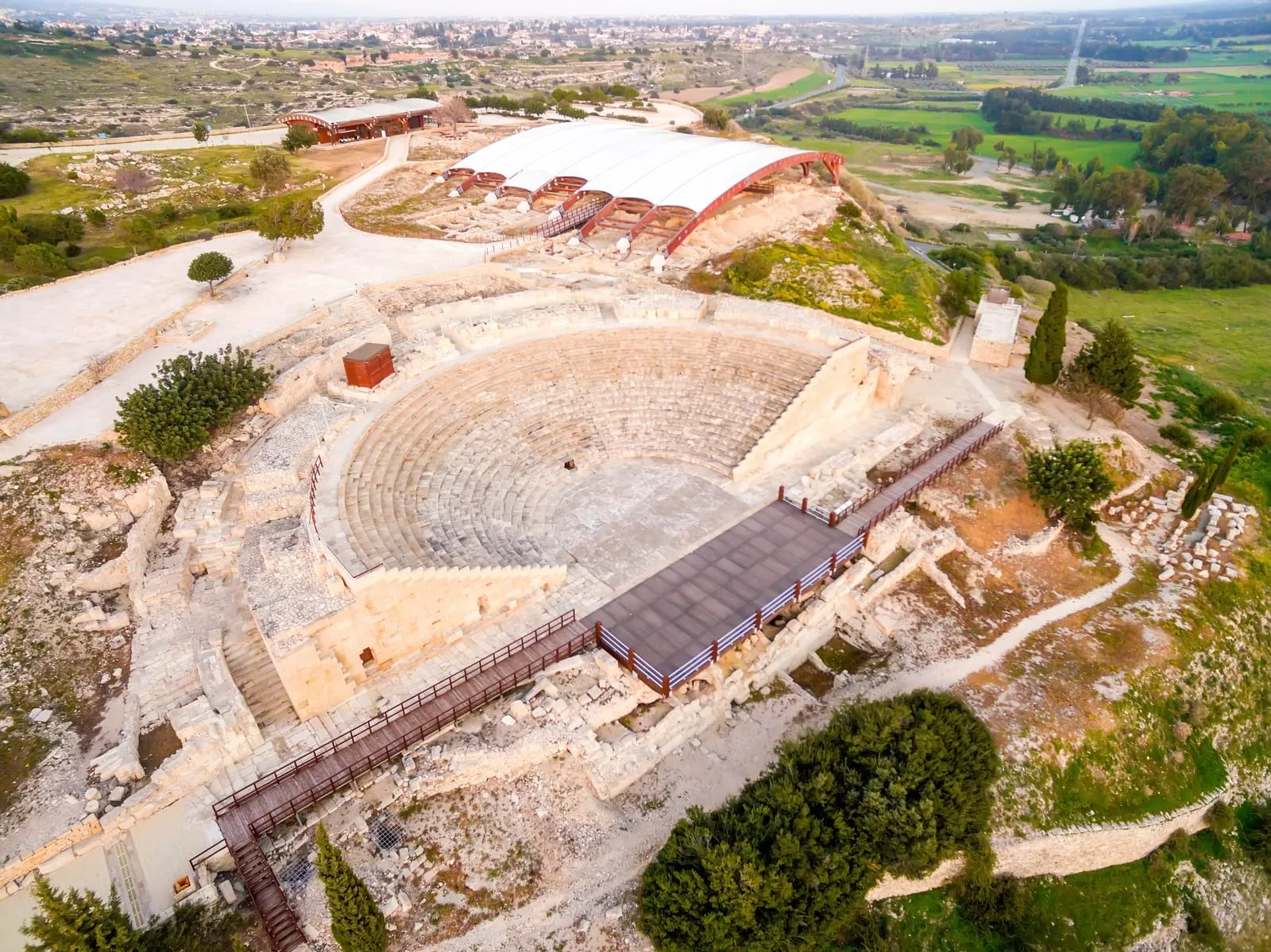
Kourion on a Budget: Practical Money-Saving Tips
Kourion's clifftop theatre, mosaic houses and sea views rank among Cyprus's finest ancient sites. With a little planning, you can enjoy them without overspending.

Golf in Cyprus
Cyprus has become a quiet favourite with golfers, offering sunny winter fairways, sea views and a relaxed pace. Here is what to know before you tee off.
