


How to Get to Troodos Mountains and Get Around
The Troodos Mountains are best reached by car, though buses and taxis can get you there too. Here is how to plan your route and move between villages.
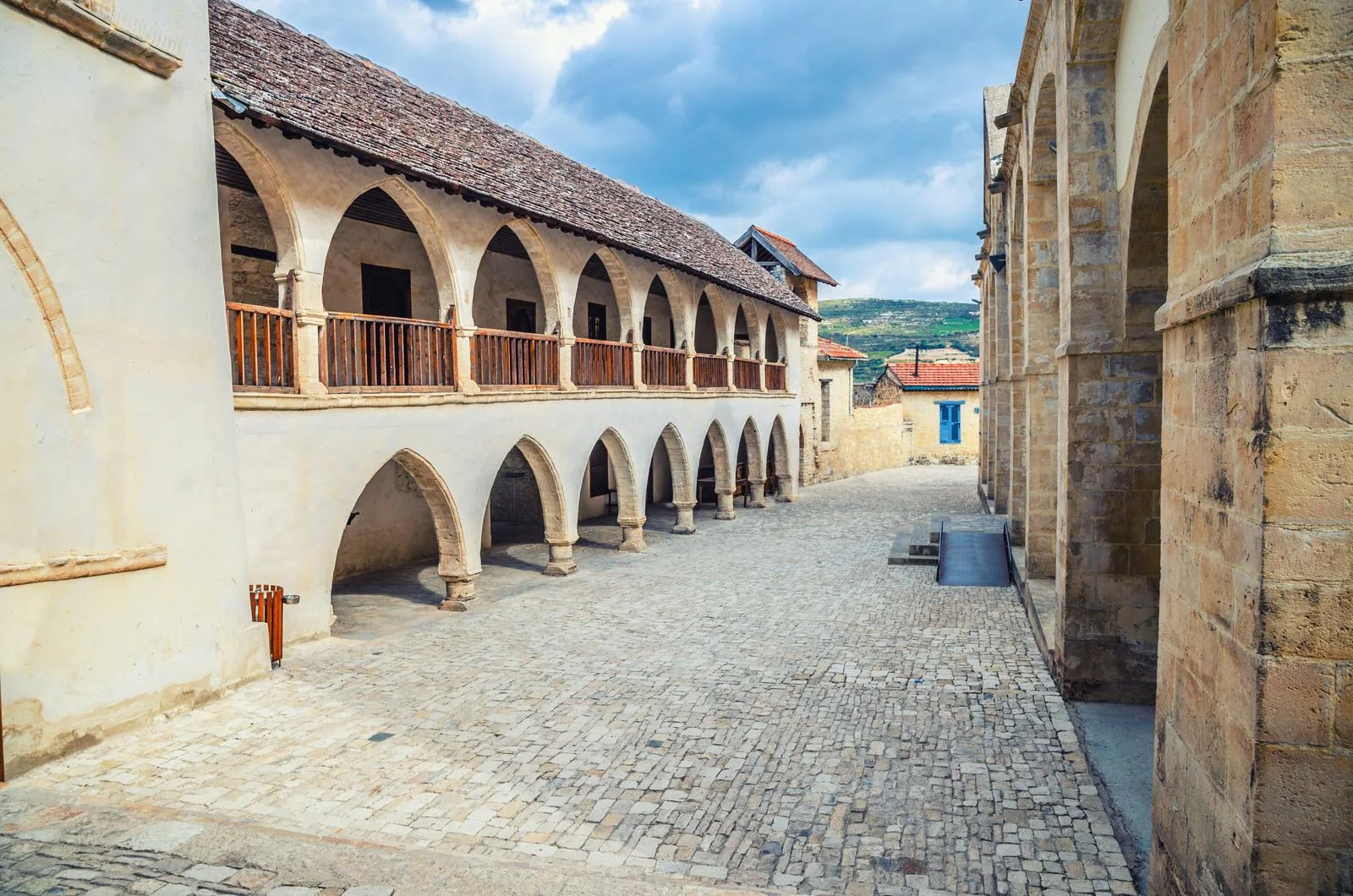
Where the Troodos Mountains Are
The Troodos Mountains form the high spine of the western and central part of Cyprus. They are cooler than the coast in summer, often by a noticeable margin, and in winter the higher slopes can be snow-covered, with the Troodos ski area drawing visitors during the colder months. The region is spread over a wide area rather than concentrated in one town, so how you travel will shape how much you see.
Most visitors approach from the coast. The main access routes climb from Limassol, Paphos and Nicosia, and each offers a different character: the drive from Limassol is the most direct for many travellers, while the roads from Paphos pass through scenic countryside before the climb begins.
Getting There from the Coast
The nearest airport is Paphos International Airport (PFO), which is the most convenient arrival point for the western mountains. Larnaca International Airport (LCA) serves the east and is a longer journey. Whichever airport you use, the simplest option is to hire a car, as public transport into the higher villages is limited.

If you are travelling without a car, the usual approach is to take a bus or taxi to Limassol or Paphos, then continue by bus or taxi into the mountains. Bus services into the mountain villages are less frequent than on the coast, and timetables change with the season, so check locally before you set out. Taxis and pre-arranged private transfers are a practical choice for reaching the more remote villages, though they cost more and should be booked ahead for return journeys.
Driving in the Troodos Mountains
Driving is by far the most flexible way to explore. The main roads are generally well maintained, and a car lets you stop at churches, viewpoints and trailheads on your own schedule. Renting a car in Paphos or Limassol and driving up is a common plan, and most rental firms are able to provide vehicles suited to mountain roads.
The mountain roads are winding, with many hairpin bends and steep gradients, so allow more time than the map suggests. Drive steadily, use lower gears on descents, and pull over safely when you want to take photographs rather than stopping in the road. In winter, conditions can change quickly. Check road and weather information before travelling and carry warm clothing, even if your plans only involve a short stop.
Parking is generally straightforward in the villages and at major sites, though spaces near the most popular churches and monasteries can fill up at busy times. Arriving earlier in the day usually helps.
Getting Around Once You Are There
Within the mountains, the sensible way to combine sights is to base yourself in one or two villages and explore outward. Many visitors pair a visit to the painted Byzantine churches with a walk, a waterfall or a meal in a traditional village. The main points of interest are spread across a wide area, so grouping them by location saves a lot of driving.
- UNESCO painted churches: a group of ten small Byzantine churches with well-preserved interior wall paintings. Several are clustered in the Troodos villages, so plan a loop rather than criss-crossing the region.
- Mount Olympos (Chionistra): the island's highest peak, reached by road from the mountain area, with views across the range on a clear day.
- Caledonia and Millomeris waterfalls: popular walks that are best visited with suitable footwear, and they can be quieter early in the day.
- Artemis and Atalante nature trails: marked trails through pine forest, suitable for a half-day walk.
- Kykkos Monastery: a major monastery in the Troodos range, usually visited as a stop on a longer drive.
Between villages, you will mostly rely on your own car or a taxi. Walking between villages is possible on some of the marked trails, but distances are longer than they appear on the map and the terrain is hilly, so treat walking as an activity in itself rather than a way to get around.
Practical Tips
- Hire a car if you can. It is the most practical option for the villages and trailheads.
- Allow more time than you think for every journey, especially on the winding roads.
- Check weather and road conditions before travelling, particularly in winter.
- Bring layers. Temperatures on the mountain are noticeably cooler than on the coast, even in summer.
- Plan your route as a loop based around one or two villages to cut down on driving.
- Confirm bus timetables and taxi availability locally before relying on them for the return journey.
Plan your trip to Kykkos Monastery
Compare prices with KAYAKYou'll be taken to KAYAK to compare prices. We may earn a commission at no extra cost to you.
Plan your trip to Kykkos Monastery
🏨Find hotels on Booking.comBooking.comAffiliate links — we may earn a small commission.
Deals from our travel partners
 AC Omonia vs Besiktas JK Tickets - GSP Stadium, 2027-01-28Sports Events 365 · from 244 EUR
AC Omonia vs Celtic FC Tickets - GSP Stadium, 2026-12-10Sports Events 365 · from 244 EUR
Maccabi Tel Aviv vs Zalgiris Kaunas Tickets - Spyros Kyprianou Arena, 2026-12-15Sports Events 365 · from 162 EUR
Pafos FC vs FC Midtjylland Tickets - Alphamega Stadium (Limassol Arena), 2026-11-26Sports Events 365 · from 92 EUR
Affiliate links — we may earn a commission at no extra cost to you.
Related guides
Best Day Trips from Paralimni
Paralimni makes a quiet, authentic base just inland from Protaras. Here are the best day trips from town, from sea caves and monasteries to mountain villages.
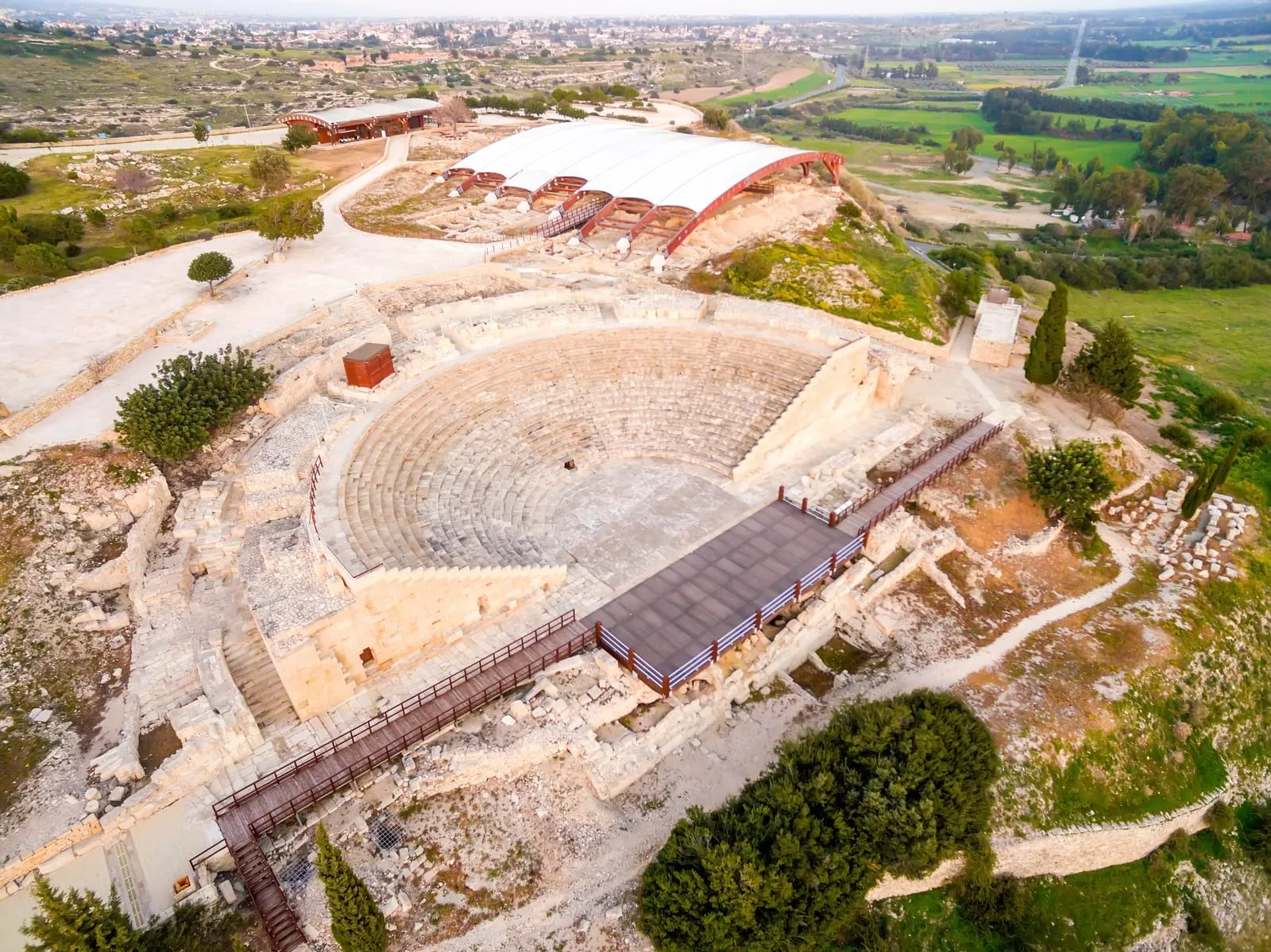
Kourion on a Budget: Practical Money-Saving Tips
Kourion's clifftop theatre, mosaic houses and sea views rank among Cyprus's finest ancient sites. With a little planning, you can enjoy them without overspending.
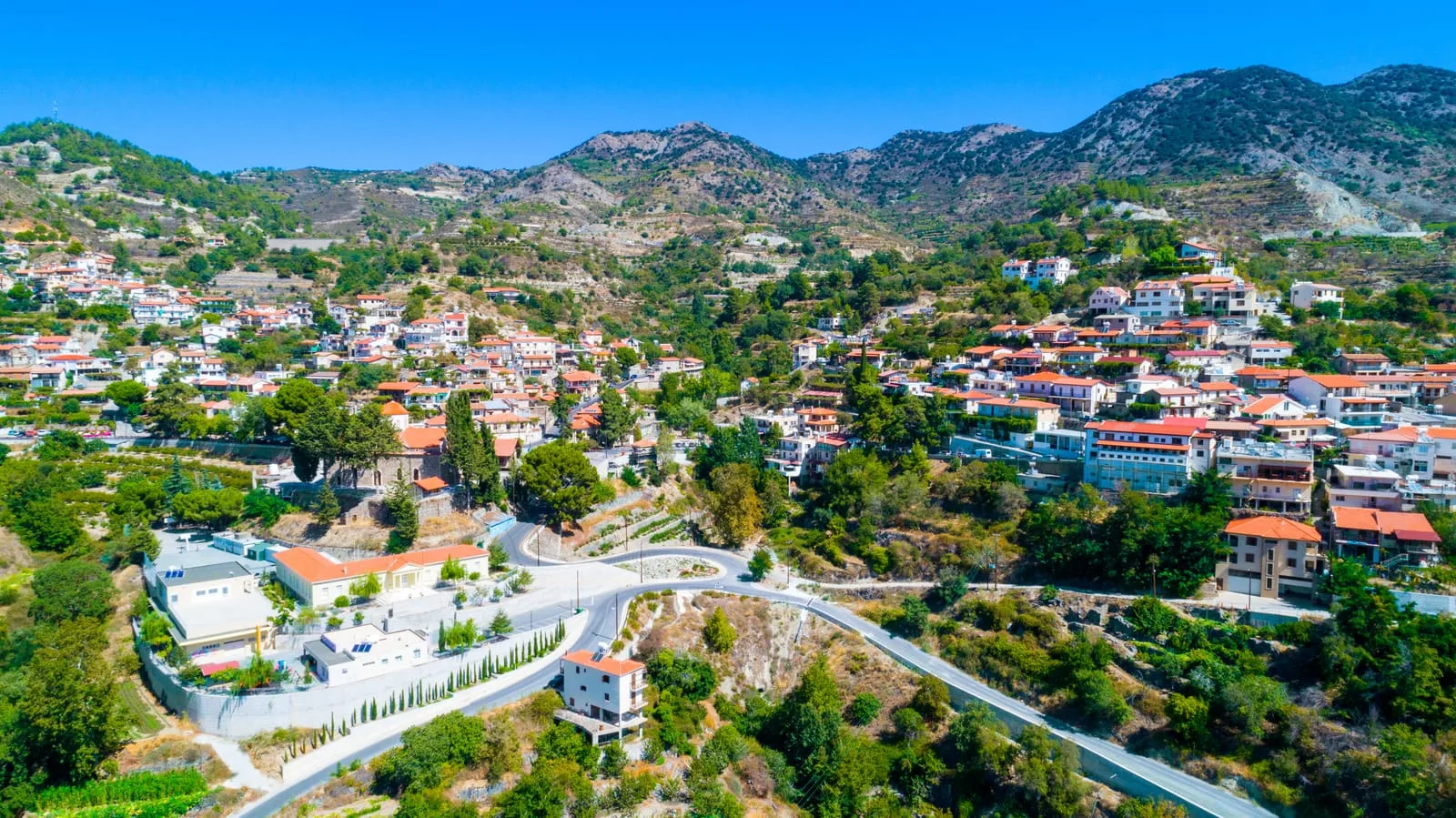
Best Day Trips from Agros
Agros is a quiet base in the eastern Troodos, famous for rose water and cured meats. These day trips take in neighbouring villages, forest walks and mountain monasteries.
