


Kafeneia: The Traditional Cypriot Coffee Shop
More than just a place for a coffee, the kafeneio is a cornerstone of Cypriot community life, a place where traditions are upheld and stories shared. These traditional coffee shops offer a unique insight into the island's culture.

The Enduring Charm of the Cypriot Kafeneio
In Cyprus, a kafeneio is far more than just a coffee shop; it is a vital social institution, a meeting point, and often the beating heart of a village or neighbourhood. These traditional establishments have been central to Cypriot life for centuries, serving as unofficial community centres where generations gather to discuss local news, play backgammon, and simply enjoy each other's company over a strong cup of coffee. Stepping into a kafeneio offers a genuine glimpse into the island's rich cultural fabric and a chance to experience Cypriot hospitality firsthand.
While modern cafes have emerged, the traditional kafeneio maintains its distinct character. You'll typically find a simple, unpretentious setting, often with wooden chairs, marble-topped tables, and walls adorned with old photographs or local memorabilia. The air might be thick with the aroma of freshly brewed coffee and sometimes the faint scent of tobacco, though smoking regulations now vary. The atmosphere is almost always relaxed and welcoming, inviting visitors to linger and soak in the local ambiance.
The Ritual of Cypriot Coffee
The star of any kafeneio is, of course, the Cypriot coffee. Prepared in a small, long-handled pot called an 'briki' (or 'cezve'), the finely ground coffee is brought to a boil with water and sugar (if desired) to create a rich, frothy brew. It is served in small, delicate cups, often accompanied by a glass of cold water. When ordering, you'll be asked about your preferred sweetness: 'sketo' (plain, no sugar), 'metrio' (medium sugar), or 'glyko' (sweet). Remember not to drink the very bottom of the cup, as that's where the coffee grounds settle.

Beyond coffee, kafeneia often serve a selection of other traditional beverages. You might find 'soumada,' a refreshing almond-based drink, or a variety of herbal teas made from local plants. In some establishments, especially in the evening, local spirits like 'zivania' or a glass of Cypriot wine might also be available.
More Than Just Drinks: Snacks and Socialising
While the primary focus is on beverages and conversation, many kafeneia also offer simple, traditional snacks. These often include 'loukoumi' (Cypriot delight), 'pastellaki' (carob candy), or sometimes savoury options like olives and cheese. These small bites complement the coffee and extend the social experience.
The social aspect is arguably the most important element of the kafeneio. It's a place for men, traditionally, to gather (though many are now welcoming to everyone) to play 'tavli' (backgammon), 'poker,' or simply engage in lively discussions about politics, farming, family, and everything in between. Observe the locals, and you'll quickly understand the deep sense of community that thrives within these walls. Don't be surprised if you're drawn into a friendly chat; Cypriots are known for their warmth and hospitality.
Where to Find Authentic Kafeneia
You'll discover traditional kafeneia in almost every village across the Republic of Cyprus. Some particularly charming examples can be found in the Troodos Mountains, where they serve as vital community hubs. Villages like Omodos, Lofou, and Kakopetria have well-preserved kafeneia that offer a step back in time. In the larger towns, while perhaps less dominant than in rural areas, you can still find authentic establishments tucked away in older neighbourhoods or market areas. For instance, Limassol Old Town and the old quarters of Nicosia and Larnaca still retain some wonderful examples.
Visiting a kafeneio is an essential part of experiencing authentic Cypriot culture. It's a chance to slow down, observe local life, and connect with the island's traditions. So, next time you're exploring Cyprus, seek out a local kafeneio, order a Cypriot coffee, and immerse yourself in the timeless rhythm of Cypriot village life.
Practical Tips for Visiting a Kafeneio:
- Ordering Coffee: Specify 'sketo' (no sugar), 'metrio' (medium sugar), or 'glyko' (sweet) when ordering Cypriot coffee.
- Patience: Service can be relaxed; embrace the slower pace.
- Observe Local Customs: Be respectful of local conversations and games.
- Cash is King: Many smaller kafeneia prefer or only accept cash.
- Engage: If you're open to it, locals are often happy to chat, especially if you show an interest in their culture.
Plan your trip to Kakopetria
Compare prices with KAYAKYou'll be taken to KAYAK to compare prices. We may earn a commission at no extra cost to you.
Plan your trip to Kakopetria
🏨Find hotels on Booking.comBooking.comAffiliate links — we may earn a small commission.
Deals from our travel partners
 AC Omonia vs Besiktas JK Tickets - GSP Stadium, 2027-01-28Sports Events 365 · from 244 EUR
AC Omonia vs Celtic FC Tickets - GSP Stadium, 2026-12-10Sports Events 365 · from 244 EUR
Pafos FC vs FC Midtjylland Tickets - Alphamega Stadium (Limassol Arena), 2026-11-26Sports Events 365 · from 92 EUR
Maccabi Tel Aviv vs Zalgiris Kaunas Tickets - Spyros Kyprianou Arena, 2026-12-15Sports Events 365 · from 162 EUR
Affiliate links — we may earn a commission at no extra cost to you.
Related guides
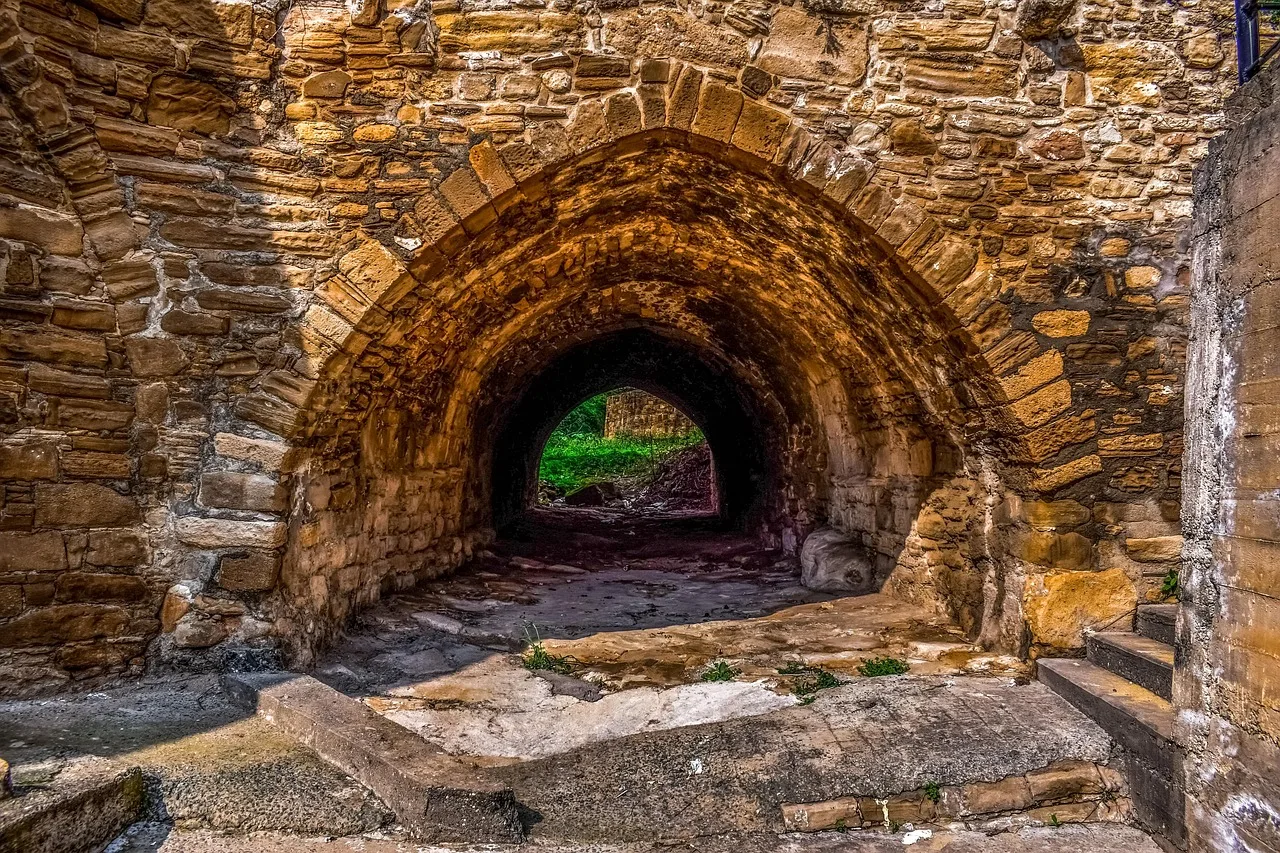
Best Day Trips from Tochni
Tochni is a quiet hillside village with a welcoming countryside feel. From here you can reach ancient ruins, lace-making villages and sunny southern beaches within an easy drive.
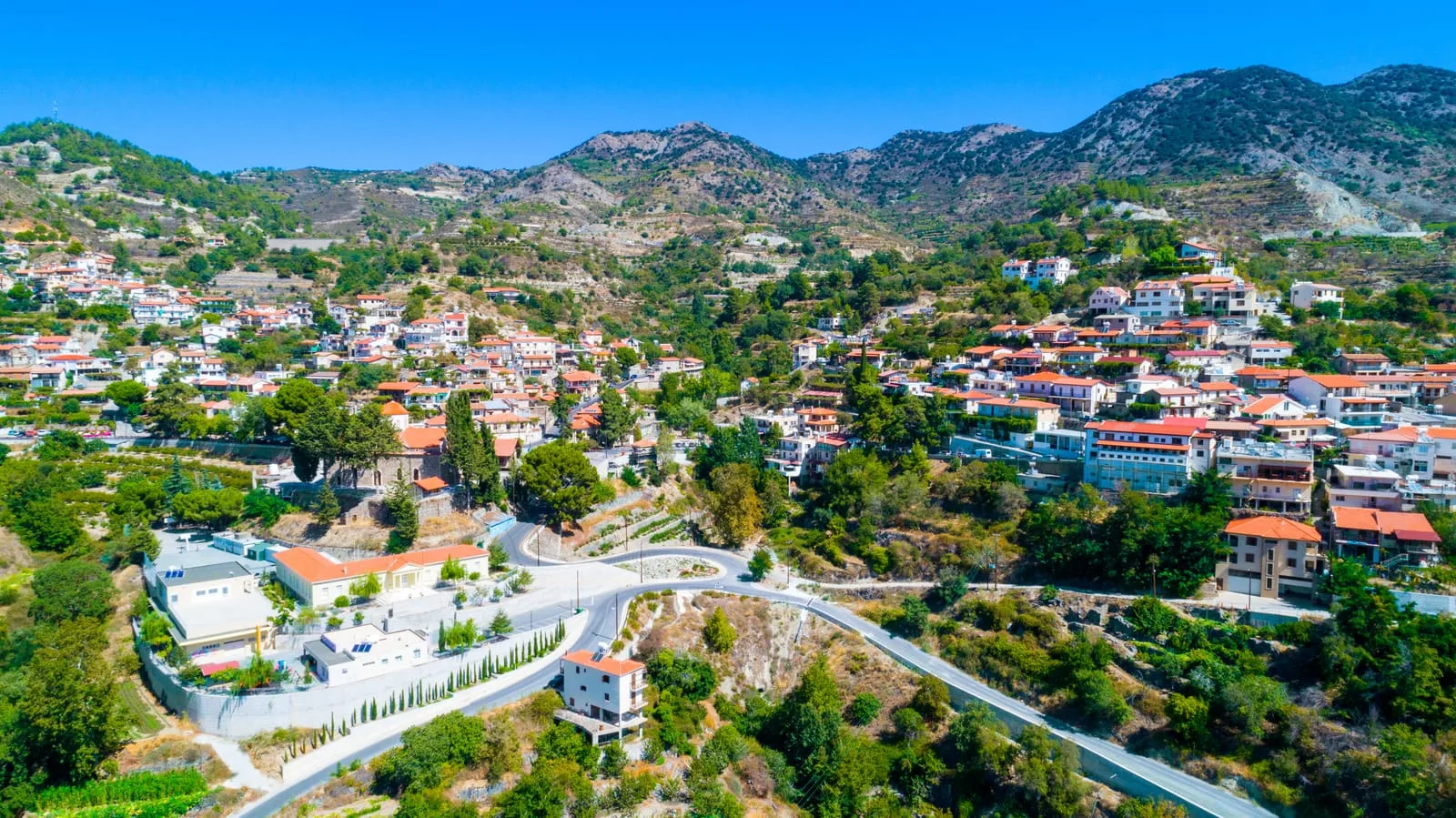
Best Day Trips from Agros
Agros is a quiet base in the eastern Troodos, famous for rose water and cured meats. These day trips take in neighbouring villages, forest walks and mountain monasteries.
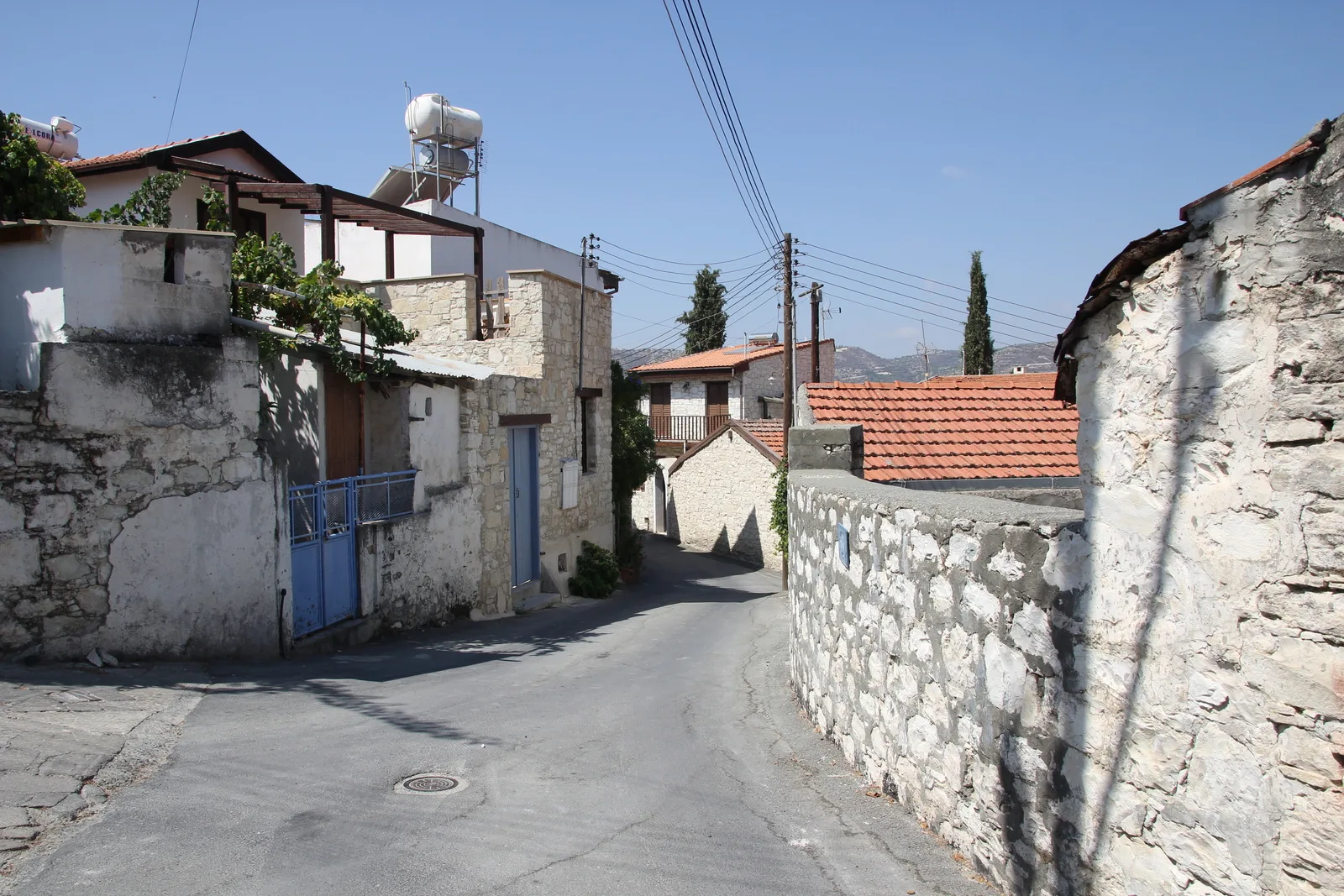
Best Day Trips from Lofou
Lofou makes an ideal base for exploring the Limassol hills. Here are the best day trips, from mountain villages to coastal stops, and how to plan each one.
