


Snorkelling in Cyprus: The Best Spots
Cyprus has some of the clearest waters in the eastern Mediterranean, with rocky coves, sea caves and seagrass meadows. Here is where to find the best snorkelling on the island.
Why Cyprus Is Great for Snorkelling
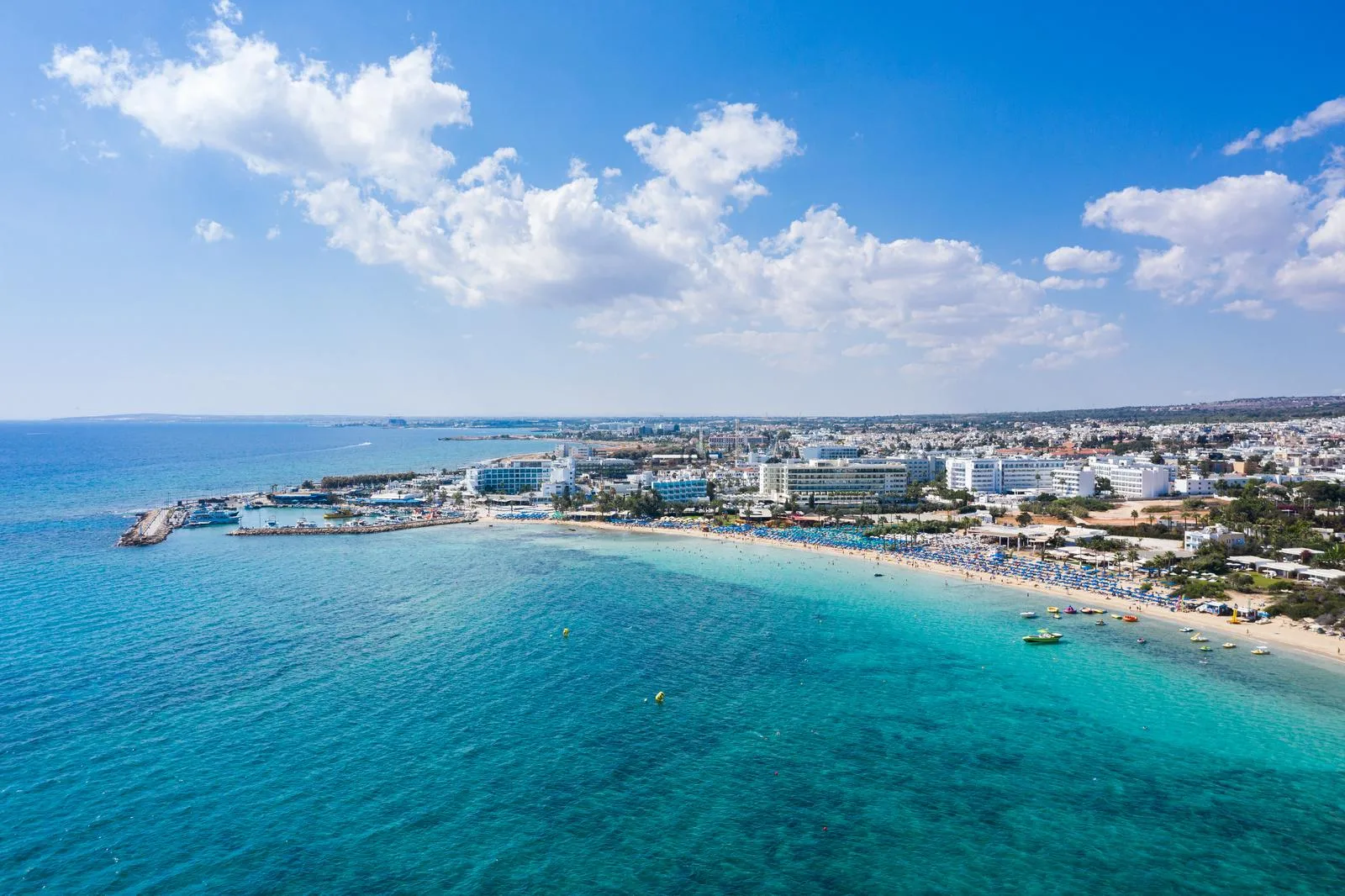
Few places in the Mediterranean combine warm, clear water with such varied underwater scenery as Cyprus. The island's coastline is a mix of sandy bays, rocky headlands and limestone cliffs, and each type of shore supports its own marine life. Visibility is often excellent from late spring through autumn, and the sea is warm enough for a swim well into October. Whether you have never put on a mask or you have been diving for years, you will find somewhere suited to you.
The south and east coasts tend to offer the most dramatic snorkelling, with caves, reefs and deeper drop-offs close to shore. The west coast is generally calmer and better for families and beginners. Conditions change with the wind, so it is worth checking the forecast and the sea state before you head out.
Cape Greco: Caves and Crystal Water
Cape Greco, on the eastern tip of the island near Ayia Napa, is one of the most rewarding snorkelling areas in Cyprus. The headland is pocked with sea caves and arches, and the rocky shelf around them is home to colourful fish, octopus hiding in crevices and, with luck, the occasional cuttlefish. Water here is typically very clear. The area is best approached with care: currents can pick up around the headland, so stay close to the shore and keep an eye on the conditions. Go with a companion, and do not venture into the caves unless you are confident in the water.

Ayia Napa and Protaras
The coves around Ayia Napa and Protaras are a good choice if you want easy access and a relaxed day in the water. Nissi Beach is famous for its sand, but the rocky stretches at either end and the nearby headlands offer better snorkelling than the open shallows. Sandy shores are more forgiving for beginners, while the rocks reward those who swim out a little further. The water in this area is usually calm in summer, which makes it an excellent base for a few days of exploring.
Akamas Peninsula: Wild and Remote
For a quieter experience, head to the Akamas Peninsula in the north-west. The coastline here is largely untouched, with rugged cliffs, small pebble beaches and clear, deep water. Snorkellers can explore rocky reefs teeming with wrasse, damselfish and other Mediterranean species. Because access is limited and facilities are few, come prepared with water, sun protection and any gear you need. Check local conditions before going, as the sea can be rougher on exposed shores.
Coral Bay and Fig Tree Bay near Paphos
Coral Bay, just outside Paphos, has a gently sloping entry, shallow rocky areas and a sandy patch that suits families. It is popular for good reason: the water is clear and fish are abundant along the reef edges. Fig Tree Bay, a short distance away, is another favourite, with a sheltered sandy bay and rocky shelves on either side. Both are easy to reach and well served by facilities, so they are ideal for a half-day session with children or first-time snorkellers.
Limassol and the Southern Coast
Along the southern coast, the beaches around Limassol and the Akrotiri area offer a mix of sand and rock. Governor's Beach, to the west of Limassol, has calm water and a gently shelving seabed, making it a comfortable place to practise. Further along, the rocky shores near Pissouri and Lofou can reward patient snorkellers with interesting marine life. Visit early in the day for the calmest water and the best visibility.
Snorkelling Etiquette and Safety
- Never touch, collect or disturb marine life, and avoid standing on corals or seagrass.
- Stay within your comfort zone, and snorkel with a buddy whenever possible.
- Use a brightly coloured float or dive flag so boats can see you.
- Check wind and sea conditions before you go, and avoid exposed spots when the water is rough.
- Keep an eye on currents near headlands and rocky points.
- Use reef-safe sunscreen and wear a rash vest if you are sensitive to the sun.
Practical Tips
- Bring your own mask, snorkel and fins if you can, as rental options vary by resort and beach.
- Water shoes are useful for rocky entries, which are common on this coast.
- Consider a guided snorkelling or boat trip if you want to reach more remote spots safely.
- Check local conditions and opening arrangements with the beach operator or your accommodation before you travel, as facilities and services change.
- The best months are generally May to October, with the calmest seas often in the early morning.
Plan your trip to Akamas Peninsula
Compare prices with KAYAKYou'll be taken to KAYAK to compare prices. We may earn a commission at no extra cost to you.
Plan your trip to Akamas Peninsula
🏨Find hotels on Booking.comBooking.comAffiliate links — we may earn a small commission.
Deals from our travel partners
 AC Omonia vs Besiktas JK Tickets - GSP Stadium, 2027-01-28Sports Events 365 · from 244 EUR
AC Omonia vs Celtic FC Tickets - GSP Stadium, 2026-12-10Sports Events 365 · from 244 EUR
Maccabi Tel Aviv vs Zalgiris Kaunas Tickets - Spyros Kyprianou Arena, 2026-12-15Sports Events 365 · from 162 EUR
Pafos FC vs FC Midtjylland Tickets - Alphamega Stadium (Limassol Arena), 2026-11-26Sports Events 365 · from 92 EUR
Affiliate links — we may earn a commission at no extra cost to you.
Related guides
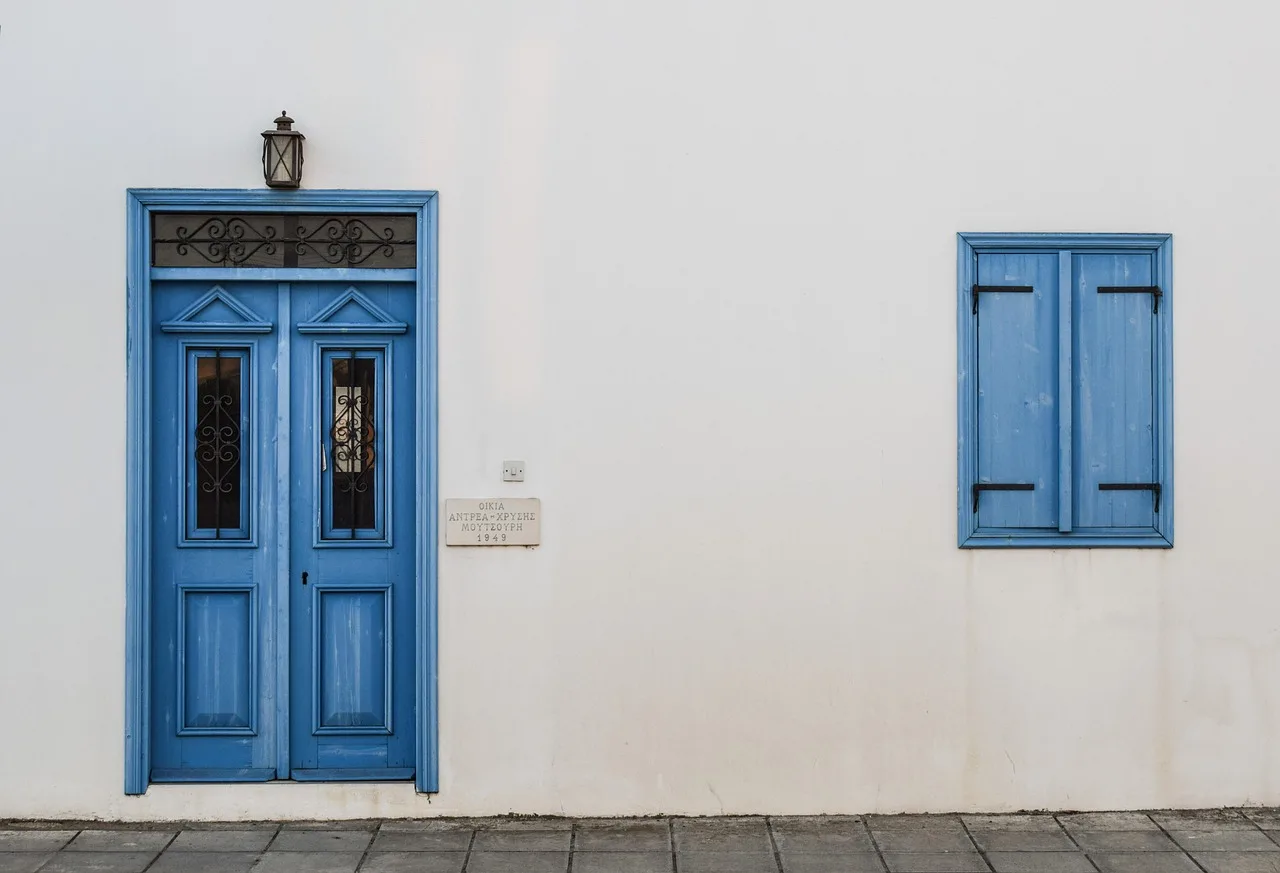
Best Day Trips from Paralimni
Paralimni makes a quiet, authentic base just inland from Protaras. Here are the best day trips from town, from sea caves and monasteries to mountain villages.
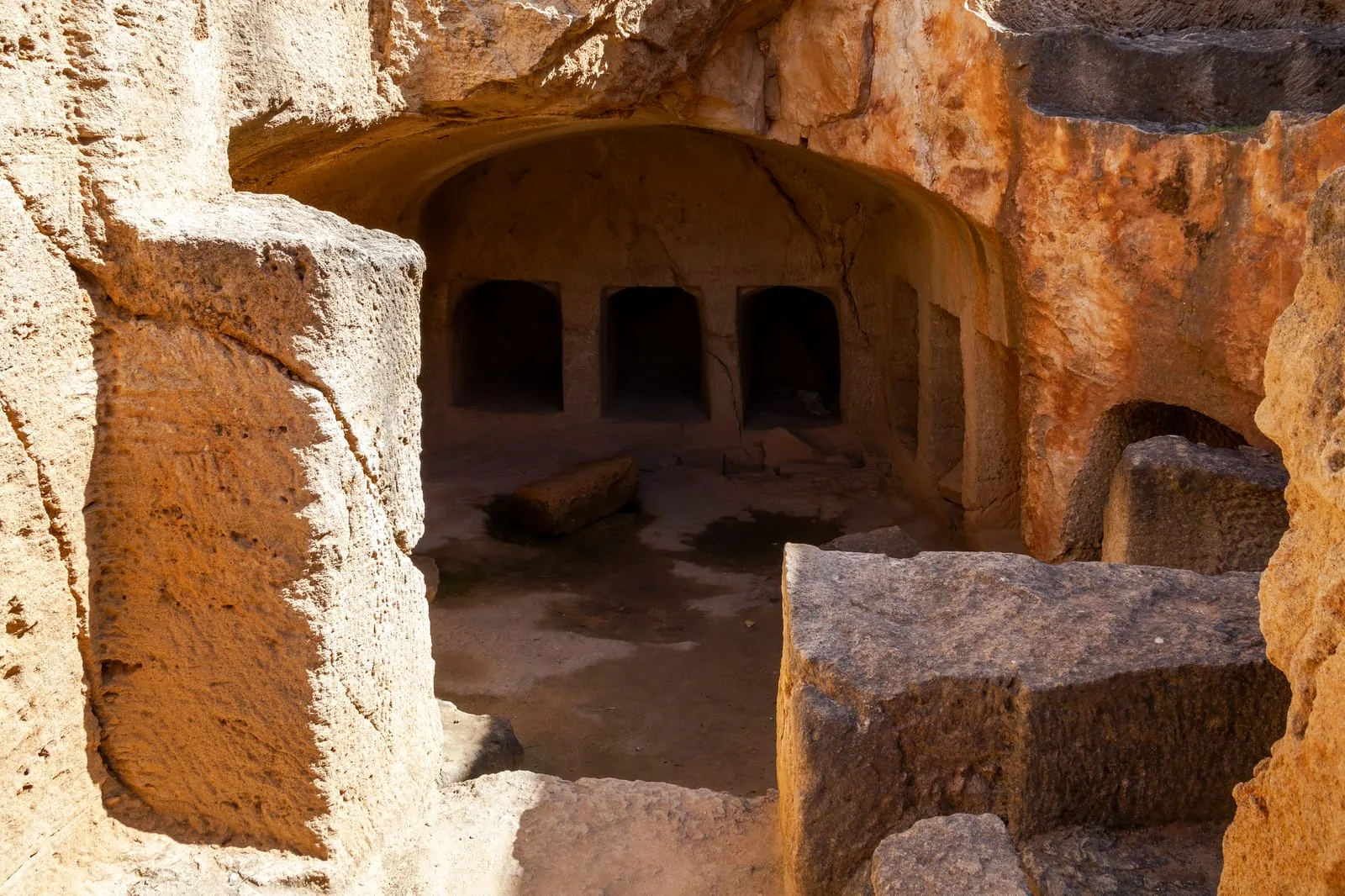
What to Pack for a Summer Holiday in Cyprus
Summer in Cyprus is hot, bright and dry for months on end. This practical packing guide covers what to bring for beaches, towns, mountain walks and evenings out.
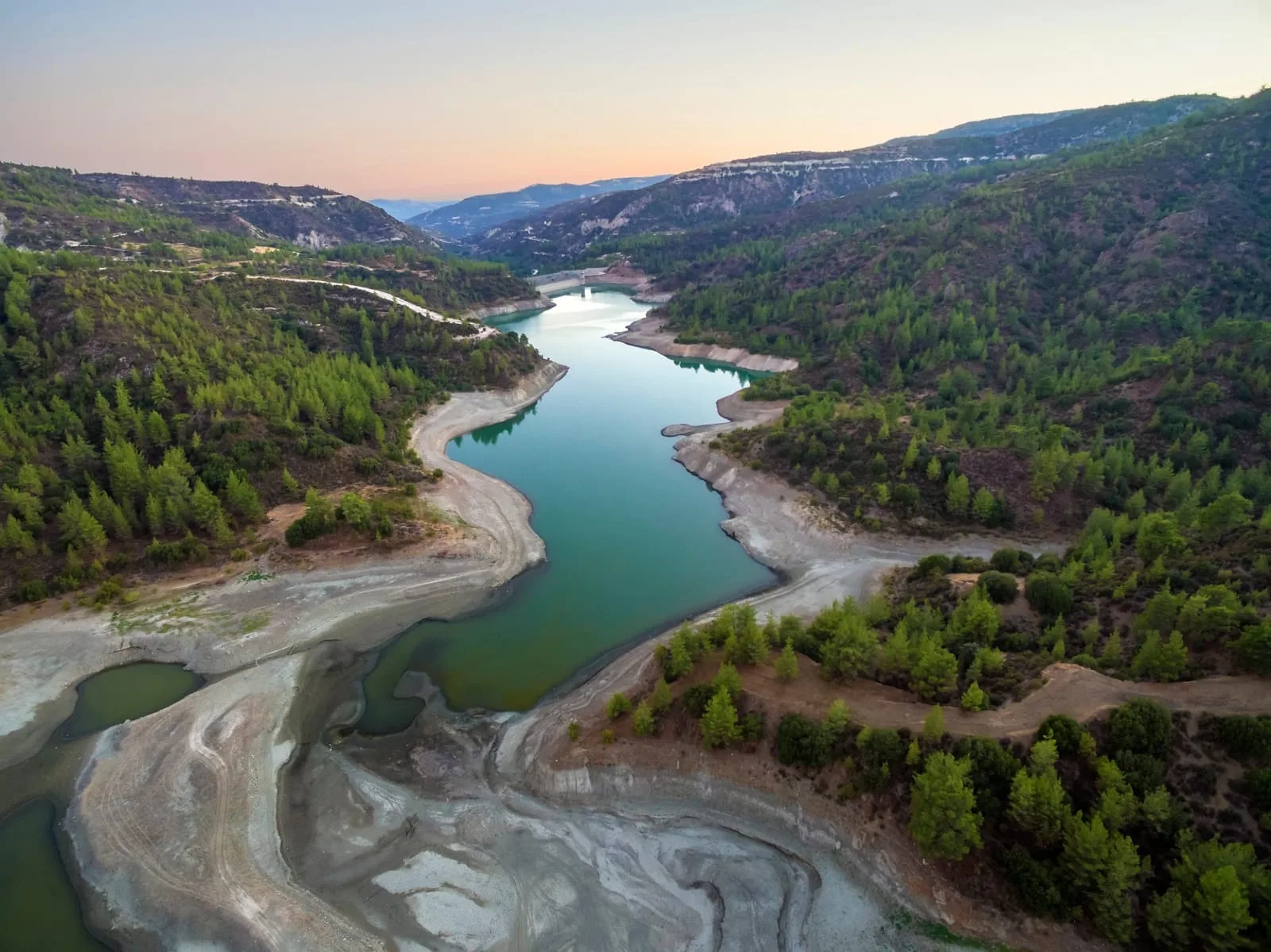
Best Time to Visit Kathikas: A Month-by-Month Guide
Kathikas is a stone wine village on the Laona plateau above Paphos, and its charm shifts with the seasons. Here is how to choose the right month for your visit.
