


Turtle Watching in Cyprus
Cyprus is one of the Mediterranean's important nesting grounds for loggerhead sea turtles. Here is how to see them responsibly, where to go, and what to expect.
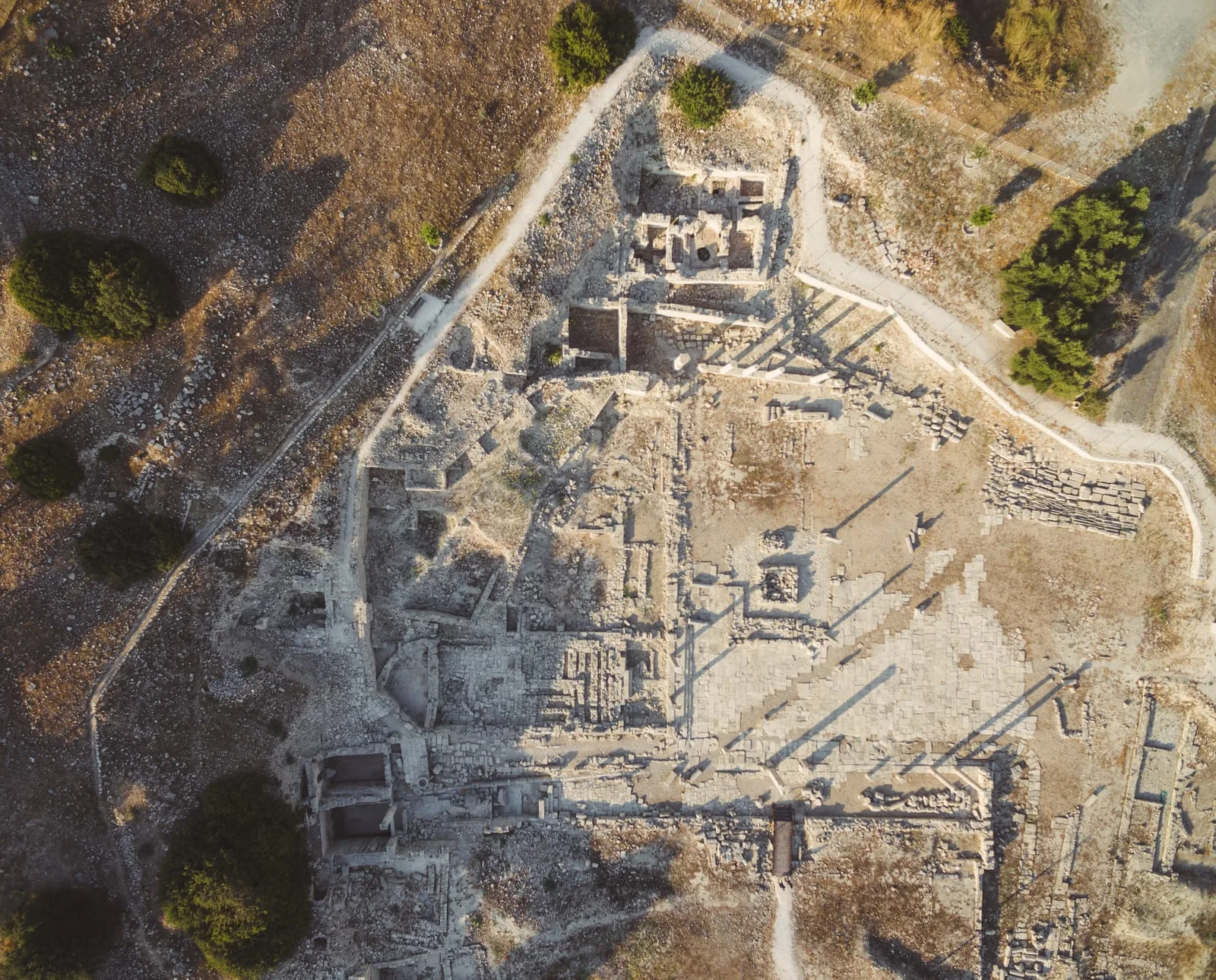
Cyprus and its sea turtles
Few travellers arrive in Cyprus expecting to see sea turtles, yet the island's southern and western coasts are among the most important nesting grounds for the loggerhead turtle (Caretta caretta) in the eastern Mediterranean. The loggerheads come ashore on quiet sandy beaches during the warmer months, and the females return year after year to the same general stretches of coast where they hatched.
Turtle watching here is less about a guaranteed show and more about respectful, patient observation. Sightings depend on weather, sea conditions and luck, and the animals are protected under national and international law. Approached properly, though, a night on a nesting beach is one of the most memorable wildlife experiences the island offers.
When to go
The nesting season runs roughly from late spring through summer, with the most activity typically in June and July. Females come ashore mainly at night, often after dark and well into the small hours, to dig a nest above the high-water line, lay their eggs and then head back to sea. Hatchlings emerge later in the summer, usually at night, and make their way towards the water.

Because timing shifts with the season and conservation programmes publish their own guidance, check locally before you plan your trip. Weather matters too: calm, warm evenings are more comfortable for watchers and more typical of nesting activity.
Where to look
Nesting is concentrated on the south and south-west coasts. The sandy, lightly developed beaches around the Akrotiri and Limassol area and the Paphos district are the best-known nesting areas, and sections of coast near Pissouri and Governor's Beach have also been monitored. The beach at Lara on the Akamas Peninsula, where nesting is protected by seasonal restrictions, is another important site.
Many beaches are closed off or patrolled by conservation teams during peak season. Stay within marked areas, follow any signs and never walk onto a dune or nesting zone that has been cordoned off.
Joining a guided watch
The most rewarding and responsible option is to join a guided turtle-watching outing run by a local conservation group or an experienced tour operator. Guides know the nesting patterns, can tell you where to stand, and will manage the group so that the animals are disturbed as little as possible. Expect a quiet, dark walk along the shoreline, with instructions to keep voices low and to use no torches or camera flashes.
Going with a guide also helps the conservation work. Many local programmes rely on volunteers and visitor donations for monitoring, nest protection and hatchling counts, so it is worth asking how your booking contributes.
Watching responsibly
Sea turtles are easily disturbed, and a female who is frightened by lights or noise may abandon her nest attempt and return to the sea without laying. Hatchlings are even more vulnerable, as they navigate by the brightness of the horizon. The following simple rules make a real difference:
- Never use torches, phone screens or flash photography on the beach at night.
- Keep a distance of several metres and never block a turtle's path to the sea.
- Do not touch, lift or handle a turtle or a hatchling.
- Leave no litter, and do not dig holes or build sandcastles that can trap animals.
- Keep dogs away from nesting areas.
- Stay with your guide and follow instructions immediately.
What else to see on the same trip
Turtle watching fits naturally into a wider coastal itinerary. Between the Limassol and Paphos districts you can combine an evening on the beach with a visit to the archaeological site of Kourion, with its dramatic clifftop views, or with a relaxed seafood dinner in one of the coastal villages. Hiking the coastal paths around the Akamas Peninsula in the daytime also gives you a sense of the wild landscape that the turtles depend on.
Practical tips
- Book a guided watch in advance, especially in June and July, when demand is highest.
- Dress in dark, comfortable clothing and bring a warm layer, as beaches can be breezy after dark.
- Wear closed shoes with a good grip for sand and uneven ground.
- Bring insect repellent and water, and check the weather before you go.
- Leave torches and camera flashes in your bag; ask your guide what is allowed.
- Be patient. Sightings are not guaranteed, and a quiet evening of listening to the sea is still a worthwhile night out.
- Check locally for current opening arrangements, seasonal beach closures and tour times, as these change from year to year.
Plan your trip to Akamas Peninsula
Compare prices with KAYAKYou'll be taken to KAYAK to compare prices. We may earn a commission at no extra cost to you.
Plan your trip to Akamas Peninsula
🏨Find hotels on Booking.comBooking.comAffiliate links — we may earn a small commission.
Deals from our travel partners
 AC Omonia vs Besiktas JK Tickets - GSP Stadium, 2027-01-28Sports Events 365 · from 244 EUR
AC Omonia vs Celtic FC Tickets - GSP Stadium, 2026-12-10Sports Events 365 · from 244 EUR
Maccabi Tel Aviv vs Zalgiris Kaunas Tickets - Spyros Kyprianou Arena, 2026-12-15Sports Events 365 · from 162 EUR
Pafos FC vs FC Midtjylland Tickets - Alphamega Stadium (Limassol Arena), 2026-11-26Sports Events 365 · from 92 EUR
Affiliate links — we may earn a commission at no extra cost to you.
Related guides
Best Day Trips from Tochni
Tochni is a quiet hillside village with a welcoming countryside feel. From here you can reach ancient ruins, lace-making villages and sunny southern beaches within an easy drive.

Best Day Trips from Paralimni
Paralimni makes a quiet, authentic base just inland from Protaras. Here are the best day trips from town, from sea caves and monasteries to mountain villages.
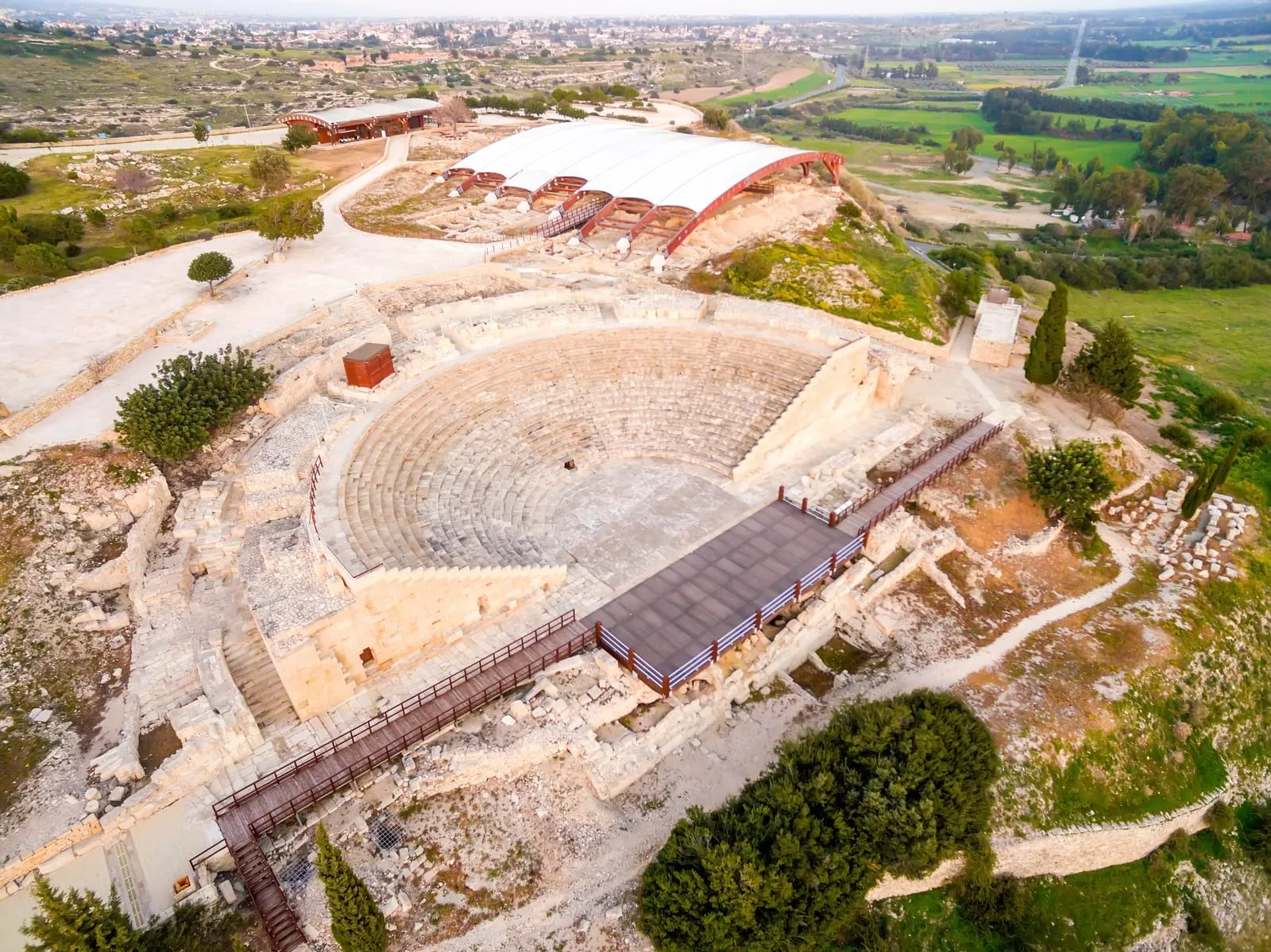
Kourion on a Budget: Practical Money-Saving Tips
Kourion's clifftop theatre, mosaic houses and sea views rank among Cyprus's finest ancient sites. With a little planning, you can enjoy them without overspending.
