


Useful Greek Phrases for Cyprus (and the Cypriot Dialect)
Standard Greek will get you far on Cyprus, but a few local words will make conversations warmer and easier. Here is what to learn before you go.
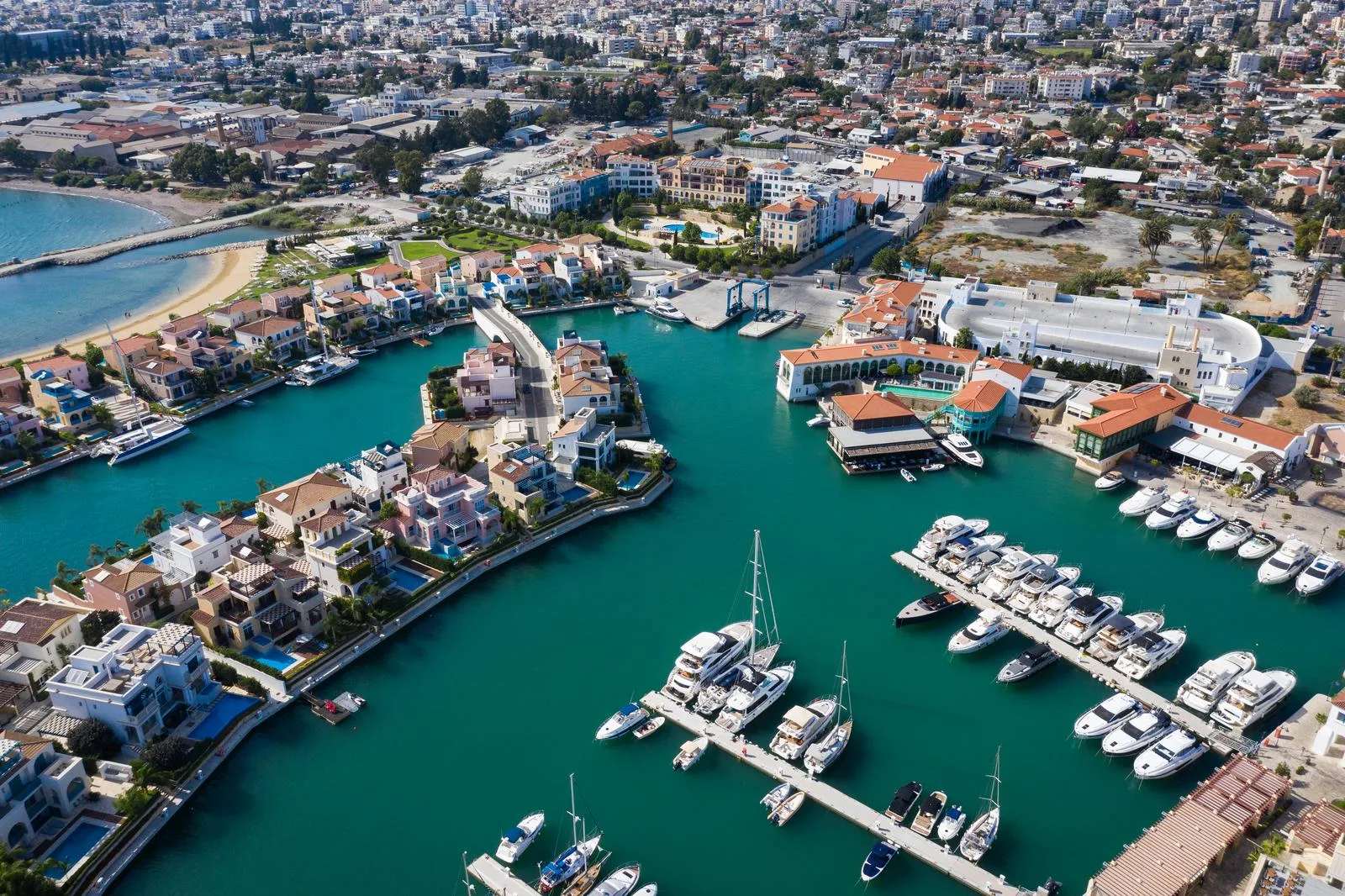
English is widely spoken across Cyprus, especially in hotels, restaurants and tourist areas, so you will rarely be stuck. Still, learning a handful of Greek phrases goes a long way. Locals tend to respond with real warmth when a visitor makes an effort, and the small effort of saying a greeting in Greek often leads to a friendlier service, a better recommendation or a longer chat in a village kafeneio.
Cypriot Greek sits within the wider Greek language, but it has its own vocabulary, pronunciation and rhythm. Understanding both standard Greek and the local dialect will help you feel more at home, whether you are ordering a coffee in Limassol, chatting with a farmer in the Troodos foothills or wandering the market in Larnaca.
Everyday greetings and courtesies
Start with the basics. A friendly greeting opens nearly every conversation on the island.

- Yia sou (hello, informal, to one person)
- Yia sas (hello, formal or to several people)
- Kalimera (good morning)
- Kalispera (good evening)
- Kalinychta (good night)
- Efcharistó (thank you)
- Parakaló (please, or you are welcome)
- Signómi (sorry or excuse me)
- Ne (yes) and Óchi (no)
Cypriots often nod upwards rather than shaking the head to say no, and a quick click of the tongue can also mean no. Do not be alarmed if it looks like a nod to the ceiling; it simply means the answer is negative.
Ordering food and drink
Cypriot food is generous and social, so knowing a few ordering phrases helps you enjoy it fully. When you visit a taverna, you will often be offered a meze, a series of small dishes shared at the table.
- Éna kafé, parakaló (one coffee, please)
- Ena metrio (a coffee with medium sugar, a common choice)
- Sketo (without sugar), glykó (very sweet)
- Ena nero, parakaló (a glass of water, please)
- To logariasmó, parakaló (the bill, please)
- Nóstimo (delicious)
Cypriot coffee is traditionally made in a small pot called a brik and served with the grounds settled at the bottom. Let it rest for a moment before sipping. Ordering a coffee by sugar level is a useful habit, since it is brewed to order and sweetness varies.
Shopping and getting around
Markets, small shops and bus stops are good places to practise. A few phrases will help with directions and prices.
- Póso kánei? (how much is it?)
- Poú eínai...? (where is...?)
- Aristerá (left), dexiá (right), ytha (straight on)
- Ftáno; (can I get there? / am I close?)
- Den kataláveno (I do not understand)
- Milátte angliká? (do you speak English?)
Haggling is not a major part of everyday shopping in most Cypriot stores, though it can happen at some flea markets and with souvenir sellers. Check locally before assuming you can negotiate.
Useful Cypriot dialect words
The local dialect has many words that differ from standard Greek. Hearing them for the first time can be surprising, but most Cypriots will happily explain them and enjoy the curiosity.
- Ía sou / Yia sou remains common, but in the village you may also hear friendly variations depending on the speaker.
- Pyiés? (where are you going?) is a typical everyday question in the dialect.
- Kaloú is a widely used expression of agreement or approval, similar to saying all right.
- Ti kánnis? (how are you doing?) is a casual greeting you may hear among friends.
- Ine kalá (it is fine or all good) is a reassuring phrase you will hear often.
Cypriot pronunciation can be softer and more drawn out than standard Greek, and many words are shortened in speech. Do not worry about getting it perfect. A relaxed, smiling attempt is almost always appreciated.
Tips for practising your Greek
Listen first. Tavernas, village squares and family-run bakeries are excellent places to hear natural speech. Try repeating short phrases back to shop staff or waiters, and do not be embarrassed by mistakes; people usually respond with patience and encouragement. A short phrasebook or a language app on your phone can help you revise before and during your trip.
Practical tips
- Learn greetings and thank-you phrases first; they make the biggest difference.
- Use parakaló and efcharistó generously.
- Expect English in tourist areas, but try Greek in local shops and village cafés.
- Learn the head-tilt-up gesture for no to avoid confusion.
- Check locally for opening hours, market days and current customs before visiting smaller places.
Plan your trip to Kakopetria
Compare prices with KAYAKYou'll be taken to KAYAK to compare prices. We may earn a commission at no extra cost to you.
Plan your trip to Kakopetria
🏨Find hotels on Booking.comBooking.comAffiliate links — we may earn a small commission.
Deals from our travel partners
 AC Omonia vs Besiktas JK Tickets - GSP Stadium, 2027-01-28Sports Events 365 · from 244 EUR
AC Omonia vs Celtic FC Tickets - GSP Stadium, 2026-12-10Sports Events 365 · from 244 EUR
Pafos FC vs FC Midtjylland Tickets - Alphamega Stadium (Limassol Arena), 2026-11-26Sports Events 365 · from 92 EUR
Maccabi Tel Aviv vs Zalgiris Kaunas Tickets - Spyros Kyprianou Arena, 2026-12-15Sports Events 365 · from 162 EUR
Affiliate links — we may earn a commission at no extra cost to you.
Related guides
Best Day Trips from Paralimni
Paralimni makes a quiet, authentic base just inland from Protaras. Here are the best day trips from town, from sea caves and monasteries to mountain villages.
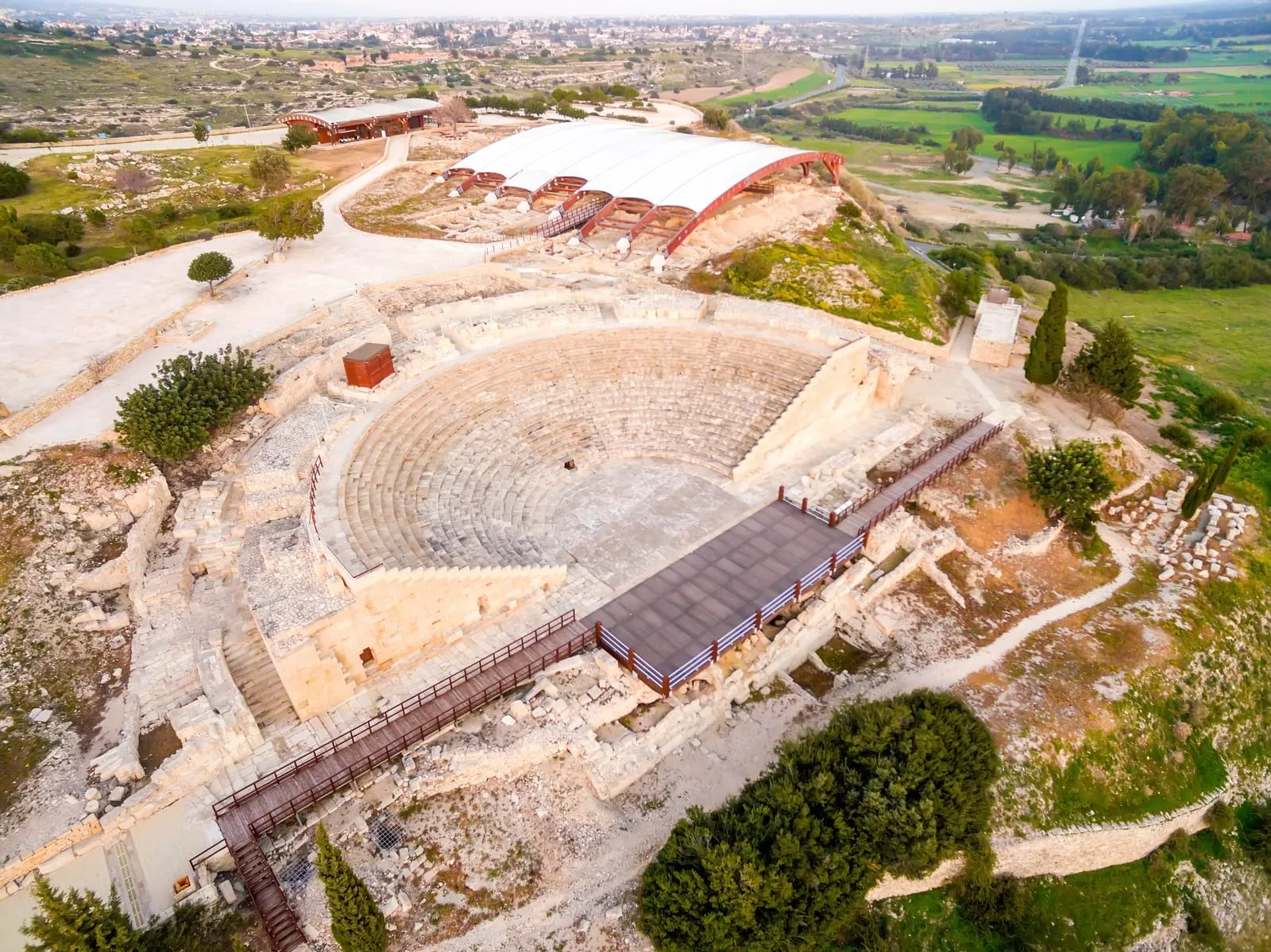
Kourion on a Budget: Practical Money-Saving Tips
Kourion's clifftop theatre, mosaic houses and sea views rank among Cyprus's finest ancient sites. With a little planning, you can enjoy them without overspending.

Best Day Trips from Agros
Agros is a quiet base in the eastern Troodos, famous for rose water and cured meats. These day trips take in neighbouring villages, forest walks and mountain monasteries.
