


Village Festivals in Cyprus: How to Join In
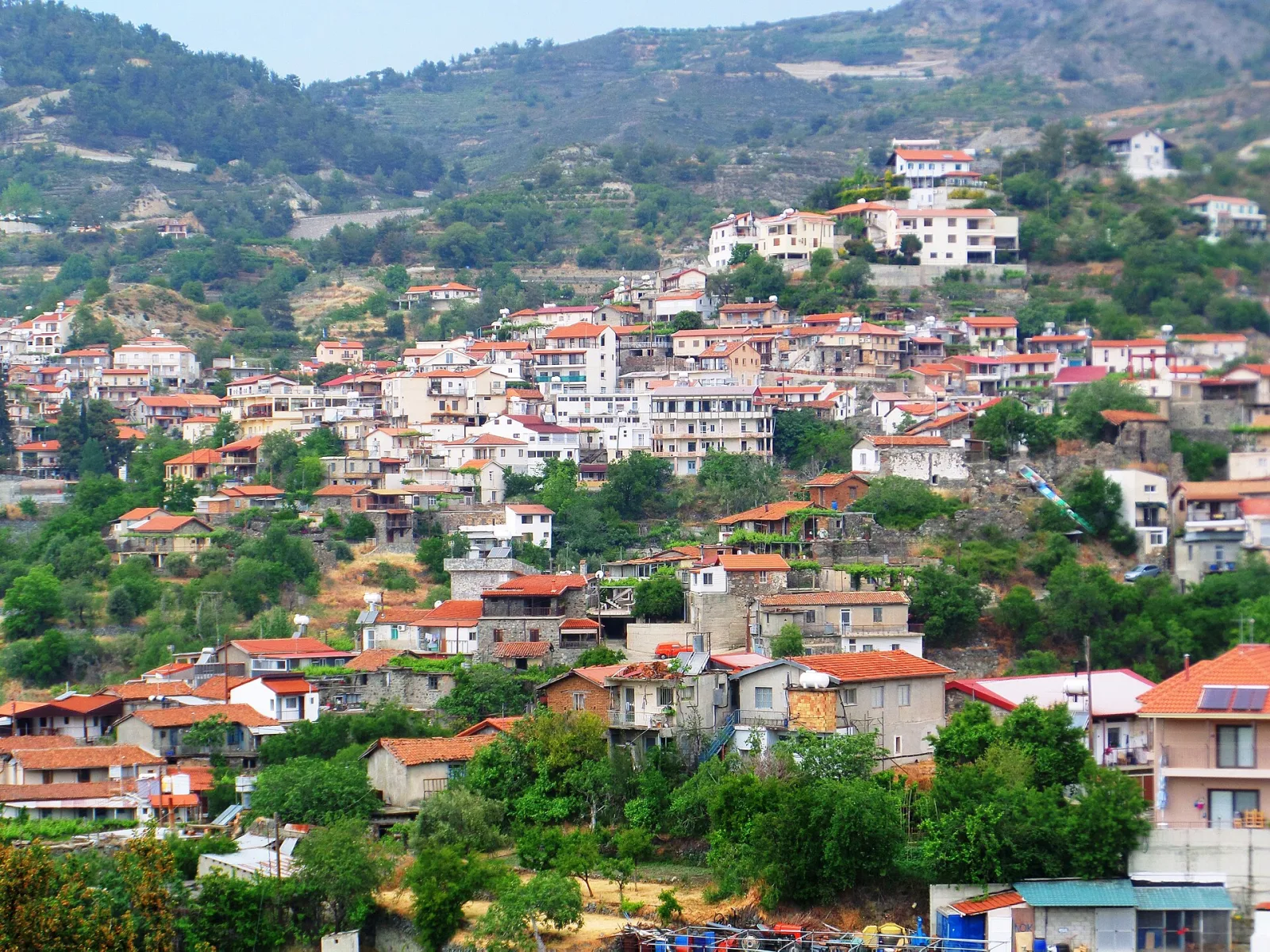
Cyprus comes alive with a myriad of village festivals throughout the year, offering a unique window into the island's rich cultural heritage and community spirit. These celebrations are deeply rooted in local traditions, often honouring patron saints, harvests, or specific regional produce.
A Calendar of Cypriot Festivities
Cyprus boasts a vibrant calendar of village festivals, each offering a unique glimpse into the island's traditions, culinary delights, and community spirit. These events are not merely tourist attractions but genuine expressions of local life, where communities come together to celebrate their heritage. While specific dates vary annually, these festivals generally follow seasonal patterns, often coinciding with harvests, religious holidays, or the ripening of particular produce.
Spring and early summer see many villages celebrating the blooming of flowers or the first harvests. As summer progresses, the focus shifts to grape harvests, fruit festivals, and larger religious feasts. Autumn brings olive and carob celebrations, while winter often features smaller, more intimate gatherings. Attending a village festival is an excellent way to connect with the authentic rhythm of Cypriot life, sample traditional foods, and witness age-old customs.
Taste the Traditions: Food and Drink Festivals
Many Cypriot village festivals revolve around the island's abundant agricultural produce. These events are a feast for the senses, offering opportunities to taste, learn about, and even participate in the preparation of local specialities.

- Grape Festivals: The Troodos region, particularly villages like Omodos and Lofou, are renowned for their annual grape festivals, usually held in September. These celebrations honour the grape harvest with traditional pressing of grapes (known as 'patitiri'), displays of local wine production, and tastings of products like 'palouzes' (grape jelly) and 'soutzoukos' (strings of nuts dipped in grape jelly). You can often find local wineries offering tours and tastings during these periods.
- Rose Festival in Agros: Held in May, the village of Agros in the Troodos mountains celebrates its famous Damask rose. Visitors can witness the distillation process of rosewater and rose oil, sample rose-infused delicacies, and purchase rose products.
- Cherry Festival in Pedoulas: Typically in June, Pedoulas hosts a lively cherry festival, showcasing its bountiful cherry harvest. Expect stalls laden with fresh cherries, cherry-based sweets, and traditional music and dance.
- Apple Festival in Platres: Later in the summer, Platres celebrates its apple harvest with a festival featuring different apple varieties, apple pies, and other apple-based treats.
- Zivania Festival: Villages like Alona and Pelendri often host festivals dedicated to Zivania, Cyprus's potent traditional pomace brandy, usually in autumn after the grape harvest. These events provide insight into the distillation process and, of course, opportunities for tasting.
- Halloumi Festival: While not confined to one village, several communities, particularly in the Mesaoria plain and around Larnaca, celebrate halloumi, the island's famous squeaky cheese. These events often include demonstrations of halloumi making and plenty of opportunities to sample it fresh.
Cultural Immersion: Music, Dance, and Crafts
Beyond culinary delights, village festivals are vibrant showcases of Cypriot culture. Music and dance are central to these celebrations, with traditional folk performances often taking centre stage. You'll hear the distinctive sounds of the 'bouzouki' and 'violin' accompanying lively folk dances, inviting onlookers to join in.
- Traditional Crafts: Many festivals feature local artisans demonstrating and selling their crafts. This is an excellent opportunity to find authentic Cypriot souvenirs, from intricate lacework in Lefkara to pottery, basket weaving, and silverwork.
- Religious Feasts (Panigyria): Significant religious holidays are often celebrated with 'panigyria' (feasts) in villages. These typically include church services, followed by outdoor markets ('pazari') selling food, sweets, and various goods, along with music and dancing. The Feast of the Assumption of the Virgin Mary on August 15th is a particularly important date, with celebrations across many villages.
- Local Customs: Depending on the festival, you might encounter unique local customs, such as traditional games, parades, or specific rituals tied to the harvest or religious observance.
Where to Experience Village Festivals
While specific festival dates and themes vary, certain regions are particularly rich in these communal celebrations:
- Troodos Mountains: The picturesque villages nestled in the Troodos range, such as Omodos, Lofou, Kakopetria, Pedoulas, and Platres, are prime locations for agricultural festivals, especially those celebrating grapes, cherries, and apples. Kalopanayiotis also hosts cultural events.
- Larnaca District: Villages like Tochni and Lefkara are known for their cultural festivals and craft traditions, particularly lacework in Lefkara.
- Paphos District: Villages around Paphos, including Kathikas and Peyia, often host smaller, charming festivals celebrating local produce or traditions.
- Limassol District: Beyond the Troodos villages, communities closer to Limassol, such as Lofou and Zygi (known for its fish festivals), also offer festival experiences.
Practical Tips for Attending a Festival
- Check Local Listings: Festival dates are often announced closer to the time and can vary year to year. It's essential to check local tourism websites, village community pages, or ask at your accommodation for the most up-to-date information.
- Go Early: Popular festivals can get crowded, especially on weekends. Arriving earlier in the day allows for easier parking and a more relaxed experience.
- Wear Comfortable Shoes: Many festivals involve walking around village streets, often cobbled or uneven.
- Bring Cash: While some vendors may accept cards, many smaller stalls and traditional craftspeople will prefer or only accept cash.
- Stay Hydrated: Especially during summer festivals, ensure you drink plenty of water.
- Respect Local Customs: Remember these are authentic community events. Be respectful of religious ceremonies and local traditions.
- Try Everything: Don't be shy! Sample the local delicacies, try a traditional dance, and engage with the friendly locals. This is the best way to truly experience Cypriot hospitality.
Plan your trip to Agros
Compare prices with KAYAKYou'll be taken to KAYAK to compare prices. We may earn a commission at no extra cost to you.
Plan your trip to Agros
🏨Find hotels on Booking.comBooking.comAffiliate links — we may earn a small commission.
Deals from our travel partners
 AC Omonia vs Besiktas JK Tickets - GSP Stadium, 2027-01-28Sports Events 365 · from 244 EUR
AC Omonia vs SL Benfica Tickets - GSP Stadium, 2026-10-22Sports Events 365 · from 244 EUR
Pafos FC vs Riga FC Tickets - Alphamega Stadium (Limassol Arena), 2026-10-22Sports Events 365 · from 76 EUR
AC Omonia vs Celtic FC Tickets - GSP Stadium, 2026-12-10Sports Events 365 · from 244 EUR
AC Omonia vs Besiktas JK Tickets - GSP Stadium, 2027-01-28Sports Events 365 · from 244 EUR
AC Omonia vs SL Benfica Tickets - GSP Stadium, 2026-10-22Sports Events 365 · from 244 EUR
Pafos FC vs Riga FC Tickets - Alphamega Stadium (Limassol Arena), 2026-10-22Sports Events 365 · from 76 EUR
AC Omonia vs Celtic FC Tickets - GSP Stadium, 2026-12-10Sports Events 365 · from 244 EUR
Affiliate links — we may earn a commission at no extra cost to you.
Related guides

The Best Waterfalls in Cyprus: A Complete Guide
Cyprus, often celebrated for its stunning coastlines, also boasts a surprising number of beautiful waterfalls, particularly within its mountainous regions. These natural wonders offer a refreshing escape and a different perspective on the island's diverse landscape.
Cyprus Meze Explained: What Arrives and How to Eat It
Cypriot meze is more than just a meal; it's a culinary journey, a social event, and an integral part of the island's hospitality. Understanding what to expect and how to approach this multi-dish feast will enhance your dining experience.

Easter in Cyprus: Traditions and Food
Easter, or 'Pascha' as it's known locally, is the most significant religious holiday in Cyprus, celebrated with deep reverence, vibrant traditions, and an abundance of special foods. It's a time when families gather, churches come alive, and the island embraces a period of reflection followed by joyous celebration.
