


Visiting Churches and Monasteries in Cyprus: Etiquette and Dress Code
Cyprus is home to some of the island's most treasured churches and monasteries. Here is how to dress, behave and make the most of your visit with respect.
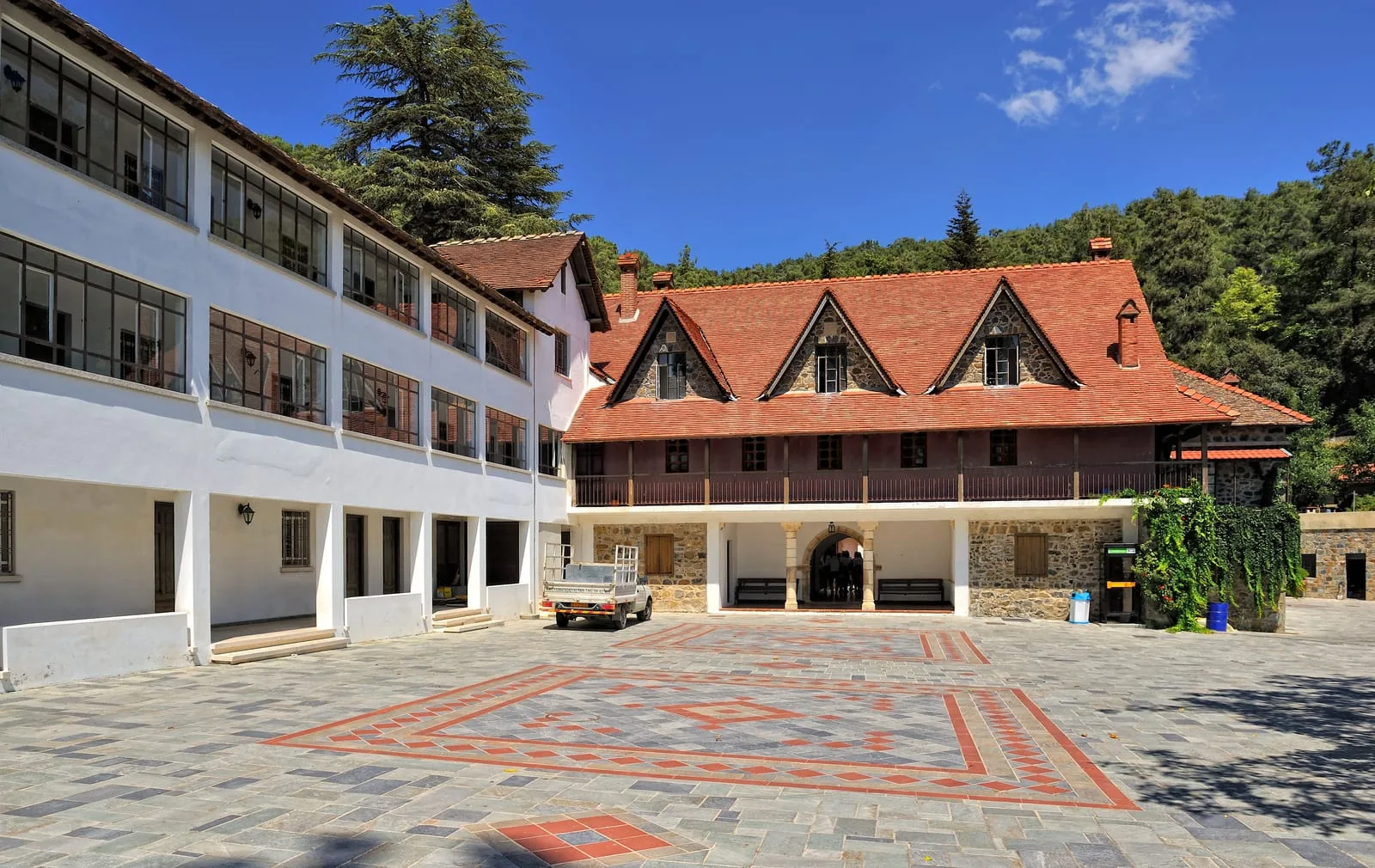
Why Cyprus's religious sites deserve a thoughtful visit
Cyprus has a religious heritage that stretches back many centuries, and much of it is still in active use. The island's Orthodox churches, many of them richly decorated with frescoes and icons, and its mountain monasteries are places of worship first and tourist attractions second. Approaching them with a little preparation will make your visit more meaningful, and it will be appreciated by the monks, nuns, priests and local congregations who care for them.
Most of the island's best-known religious sites are within easy reach of the main resorts and towns. The Troodos Mountains hold a cluster of important monasteries and painted churches, while the south and west of the island have historic churches set among villages and vineyards. Whichever you choose, the same general principles apply.
What to wear
The most important rule is to cover your shoulders and knees. In summer, the heat can make this tempting to ignore, but a lightweight shawl, a scarf or a loose cotton shirt will solve the problem quickly. Many visitors keep a large scarf in their bag for exactly this purpose, and some sites have wraps available to borrow, though it is wise not to rely on this.

- Choose trousers, a long skirt or a knee-length dress rather than shorts or very short hemlines.
- Opt for tops with sleeves, or carry a light cardigan or shawl to cover your shoulders.
- Avoid sleeveless vests and crop tops, even if they are otherwise appropriate for the weather.
- Wear sensible shoes, as you will often be walking on uneven stone, gravel or steps.
- Keep hats and sunglasses off once you step inside.
Men should also avoid shorts and sleeveless shirts inside churches and monasteries. The same standard of modest, covered dress applies to everyone, regardless of gender.
Behaviour inside the church
Orthodox churches are usually quiet, contemplative spaces, even when they are busy with visitors. Speak softly, keep phone calls out of the building and switch your phone to silent. Photography rules vary from site to site. Many churches allow photographs without flash, but some restrict them, particularly in areas with fragile frescoes, and some ask you not to photograph people who are praying. If a sign prohibits photography, please respect it. Always check locally before you take pictures.
Do not touch frescoes, icons, candles stands or the iconostasis, the screen that separates the nave from the sanctuary. Many of these works are centuries old and extremely delicate. If you wish to light a candle, you will usually find a stand near the entrance. Place a small offering in the box, if one is provided, and light the candle with care.
Visitors are generally welcome to wander through the nave and admire the decoration, but the sanctuary beyond the iconostasis is reserved for clergy. Do not enter it. If a service is taking place, stand quietly at the back or leave and return later, rather than walking across the congregation.
Gestures and personal conduct
When you enter an Orthodox church, it is customary to cross yourself and perhaps kiss an icon, but as a visitor you are under no obligation to do so. If you choose to take part, follow what you see locally. If you are not sure, simply observe quietly, which is perfectly acceptable.
Greek Cypriots are often warm, welcoming and hospitable, so a polite greeting and a smile go a long way. Remember to keep your voice down and to avoid eating or drinking inside the building. Children are welcome but should be supervised, as an active child can disturb a quiet service.
Visiting monasteries
Monasteries in the mountains are often working communities, and the rules can be stricter than at village churches. Some monasteries restrict access to certain areas, and a few have clothing requirements that may be stricter than the general guidance above. Opening times can also vary considerably, and some sites close for lunch or for religious observances. Check locally before you set out, particularly if you plan to combine several visits in one day.
Monastery shops often sell religious items, local produce and handmade goods. Buying something is a kind way to support the community, and it is a pleasant way to take home a memory of your visit.
Respecting services and festivals
Cyprus celebrates many religious feasts, and the island's churches can be especially busy and atmospheric during these times. Visitors are welcome to attend, but expect large crowds and plan accordingly. Dress modestly, arrive early if you want a good view, and stay out of the way of processions and clergy.
Practical tips
- Carry a large lightweight scarf or shawl at all times for covering shoulders and knees.
- Check opening hours locally before travelling, as they can change and some sites close at midday.
- Ask before taking photographs, and never use flash near frescoes.
- Keep your voice low, phones silenced and bags out of the way.
- Do not touch artwork, and do not enter areas reserved for clergy.
- Be patient and respectful during services; observing quietly is always appreciated.
- Consider a small donation or a purchase from the shop to support the site's upkeep.
Plan your trip to Kakopetria
Compare prices with KAYAKYou'll be taken to KAYAK to compare prices. We may earn a commission at no extra cost to you.
Plan your trip to Kakopetria
🏨Find hotels on Booking.comBooking.comAffiliate links — we may earn a small commission.
Deals from our travel partners
 AC Omonia vs Besiktas JK Tickets - GSP Stadium, 2027-01-28Sports Events 365 · from 244 EUR
AC Omonia vs Celtic FC Tickets - GSP Stadium, 2026-12-10Sports Events 365 · from 244 EUR
Pafos FC vs FC Midtjylland Tickets - Alphamega Stadium (Limassol Arena), 2026-11-26Sports Events 365 · from 92 EUR
Maccabi Tel Aviv vs Zalgiris Kaunas Tickets - Spyros Kyprianou Arena, 2026-12-15Sports Events 365 · from 162 EUR
Affiliate links — we may earn a commission at no extra cost to you.
Related guides
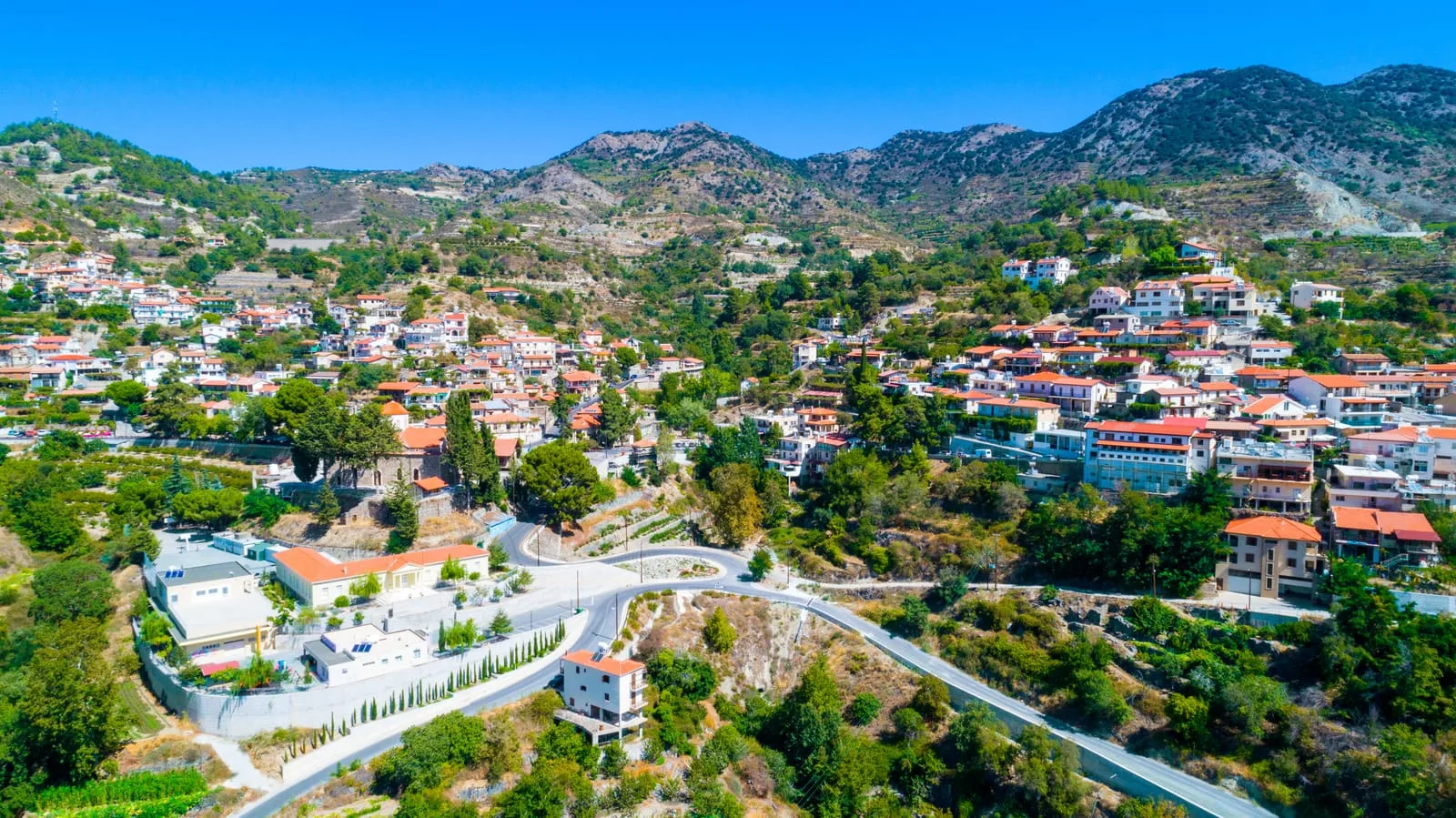
Best Day Trips from Agros
Agros is a quiet base in the eastern Troodos, famous for rose water and cured meats. These day trips take in neighbouring villages, forest walks and mountain monasteries.
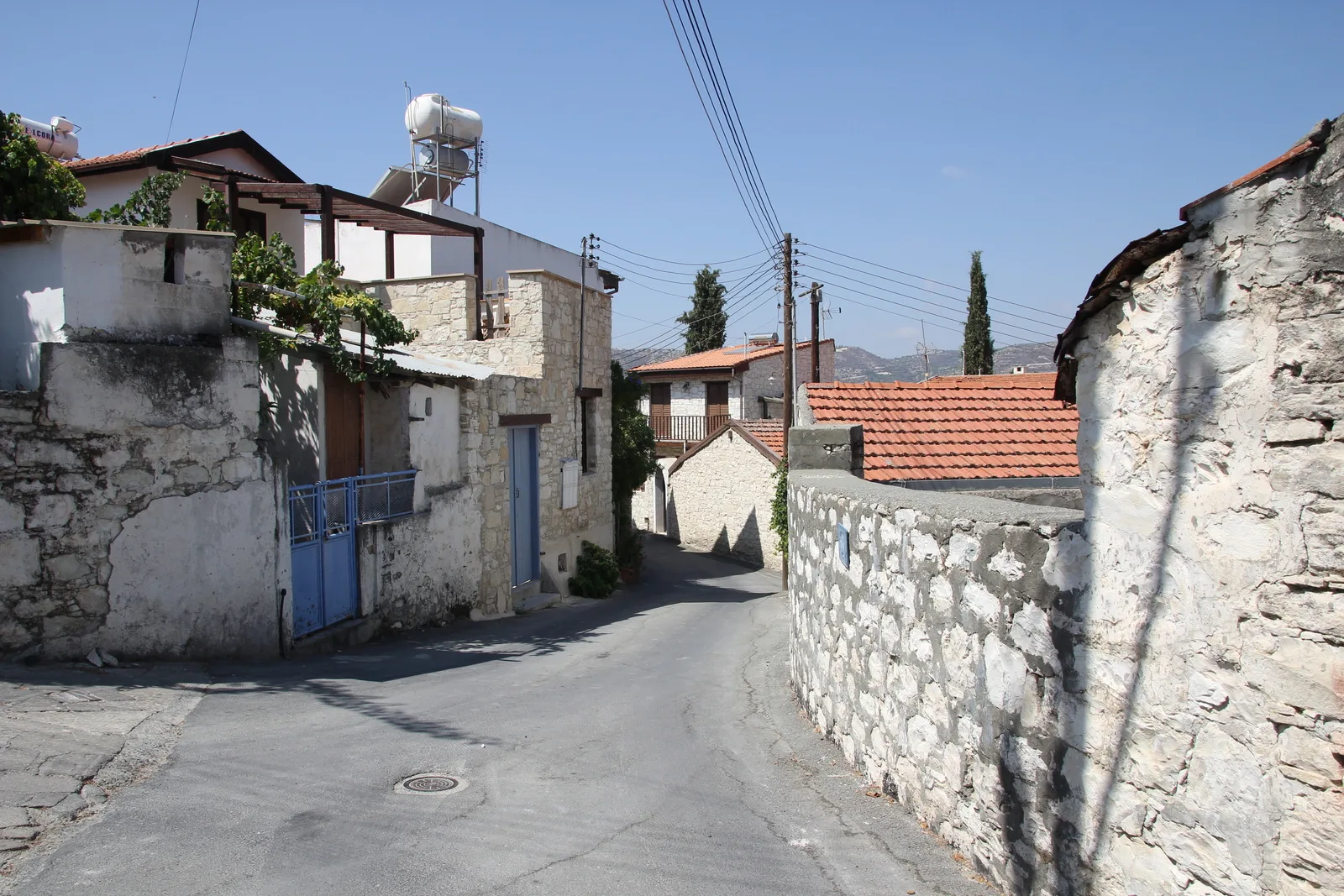
Best Day Trips from Lofou
Lofou makes an ideal base for exploring the Limassol hills. Here are the best day trips, from mountain villages to coastal stops, and how to plan each one.
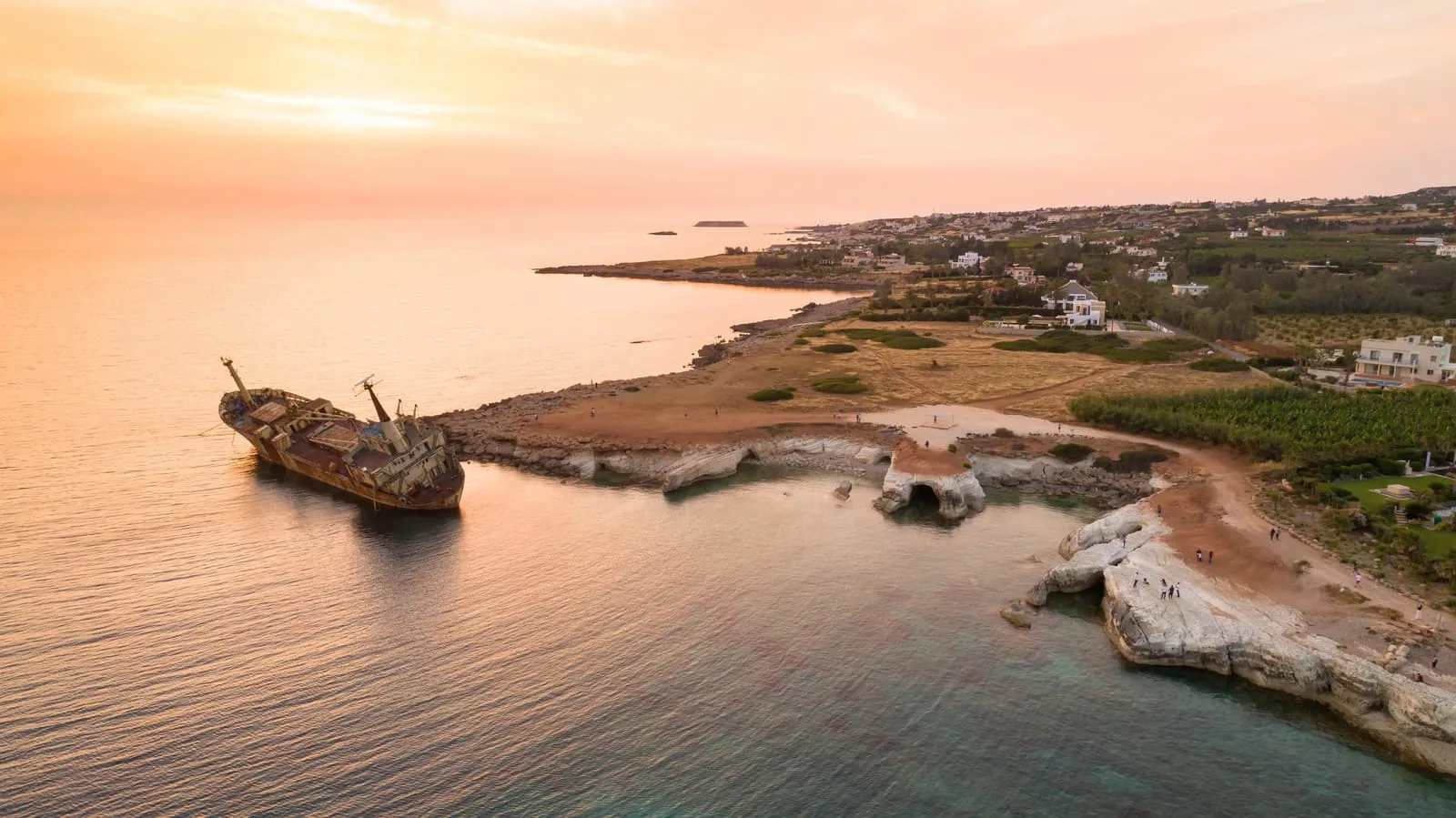
Golf in Cyprus
Cyprus has become a quiet favourite with golfers, offering sunny winter fairways, sea views and a relaxed pace. Here is what to know before you tee off.
