


What to Eat in Lefkara: A Local Food Guide
Lefkara is best known for its lace and silverwork, but its kitchens and tavernas deserve just as much attention. Here is what to eat on a visit to this stone-built village.

Most visitors come to Lefkara for the lace. The village's tiny workshops, stone lanes and the Museum of Traditional Embroidery and Silversmith-Work draw people up from the coast, and it is easy to spend a morning here without thinking about lunch. That would be a shame. The food of the Larnaca hills is simple, seasonal and rooted in farming, and a few well-chosen stops will tell you a great deal about how Cypriots eat in the countryside.
Start with halloumi and village cheeses
Halloumi is Cyprus's best-known cheese, traditionally made from a blend of goat's and sheep's milk and often grilled or fried until golden on the outside and soft within. In the villages you will find it served in its most straightforward form, sometimes with a few slices of watermelon or a drizzle of local honey, which is a classic pairing. Ask whether the cheese is made locally; many small producers in the surrounding hills still make it by hand, and the difference in texture and saltiness is noticeable.
Look also for anari, a soft, fresh whey cheese that is often eaten on its own or used in pastries. It is milder than halloumi and makes a good introduction if you prefer gentler flavours.

Village bread and olive oil
Cypriot village bread is dense, rustic and very satisfying, and it is the natural companion to most meals in the hills. Tear it and dip it in good olive oil, or use it to mop up the juices from a stew. Olive oil from the Larnaca and Troodos foothills is typically robust and peppery, and many family kitchens still press their own. If you are buying oil to take home, ask to taste before you commit.
Meze: the way to order
Cypriot meze is a procession of small plates, and it is the most authentic way to eat in a village taverna. A typical spread might include grilled sausage (loukanika, often flavoured with coriander and orange peel), tzatziki, hummus, taramosalata, fried or grilled halloumi, olives, salad, dolmades and small portions of meat cooked on the charcoal grill. Meze is meant to be shared and eaten slowly, with plenty of conversation between courses.
Lefkara's tavernas tend to be modest, family-run places rather than large restaurants, so the menu may be shorter than you expect and the dishes change with what is fresh. Don't hesitate to ask the owner what they recommend.
Slow-cooked meats and village dishes
Look out for souvla, pork or chicken cooked on skewers over charcoal, and for afelia, pork marinated in red wine and coriander seed and cooked slowly with a touch of salt. Both are staples of Cypriot cooking and show the island's love of simple, well-seasoned meat. Stews with potatoes or beans appear on many menus in the colder months and are hearty, unfussy and very good value in spirit if not always in portion size.
Sweets and coffee
Cypriot sweets are often made with fruit, nuts and sugar, and the best ones are homemade. Look for spoon sweets (glyka tou koutaliou), whole fruits such as figs, quince or cherries preserved in syrup and served on a small spoon with a glass of water. They are a traditional gesture of hospitality and are worth trying if offered. Cypriot coffee is typically brewed in a small pot, sometimes sweetened to taste, and drunk slowly. Ordering it with a biscuit or a sweet is a pleasant way to end a meal.
Local wine and zivania
Cyprus has a long winemaking tradition, and both red and white wines from the island's grape varieties, including Xynisteri and Maratheftiko, are worth sampling. For something stronger, try zivania, a traditional spirit distilled from grape residues. It is potent and is usually served in small glasses after a meal. Take it slowly; it is often more than it first appears.
Practical tips
- Lefkara is about 40 minutes by road from Larnaca International Airport, and car rental is the most convenient way to reach the village, since there are no direct public transport links. Taxis can also be arranged from major towns and the airport.
- Many village tavernas are family-run and may keep shorter or seasonal hours. Check locally before you travel, especially outside the summer months.
- Meze is designed for sharing. Order a few dishes at a time and ask for more as you go.
- Ask about the origin of cheese, olive oil and wine. Local producers are often happy to explain their methods.
- Cash is still useful in smaller village establishments, so carry some with you.
- Pair a lunch with a visit to the lace workshops and the Museum of Traditional Embroidery and Silversmith-Work for a relaxed, well-rounded day.
Plan your trip to Kakopetria
Compare prices with KAYAKYou'll be taken to KAYAK to compare prices. We may earn a commission at no extra cost to you.
Plan your trip to Kakopetria
🏨Find hotels on Booking.comBooking.comAffiliate links — we may earn a small commission.
Deals from our travel partners
 AC Omonia vs Besiktas JK Tickets - GSP Stadium, 2027-01-28Sports Events 365 · from 244 EUR
AC Omonia vs Celtic FC Tickets - GSP Stadium, 2026-12-10Sports Events 365 · from 244 EUR
Pafos FC vs FC Midtjylland Tickets - Alphamega Stadium (Limassol Arena), 2026-11-26Sports Events 365 · from 92 EUR
Maccabi Tel Aviv vs Zalgiris Kaunas Tickets - Spyros Kyprianou Arena, 2026-12-15Sports Events 365 · from 162 EUR
Affiliate links — we may earn a commission at no extra cost to you.
Related guides
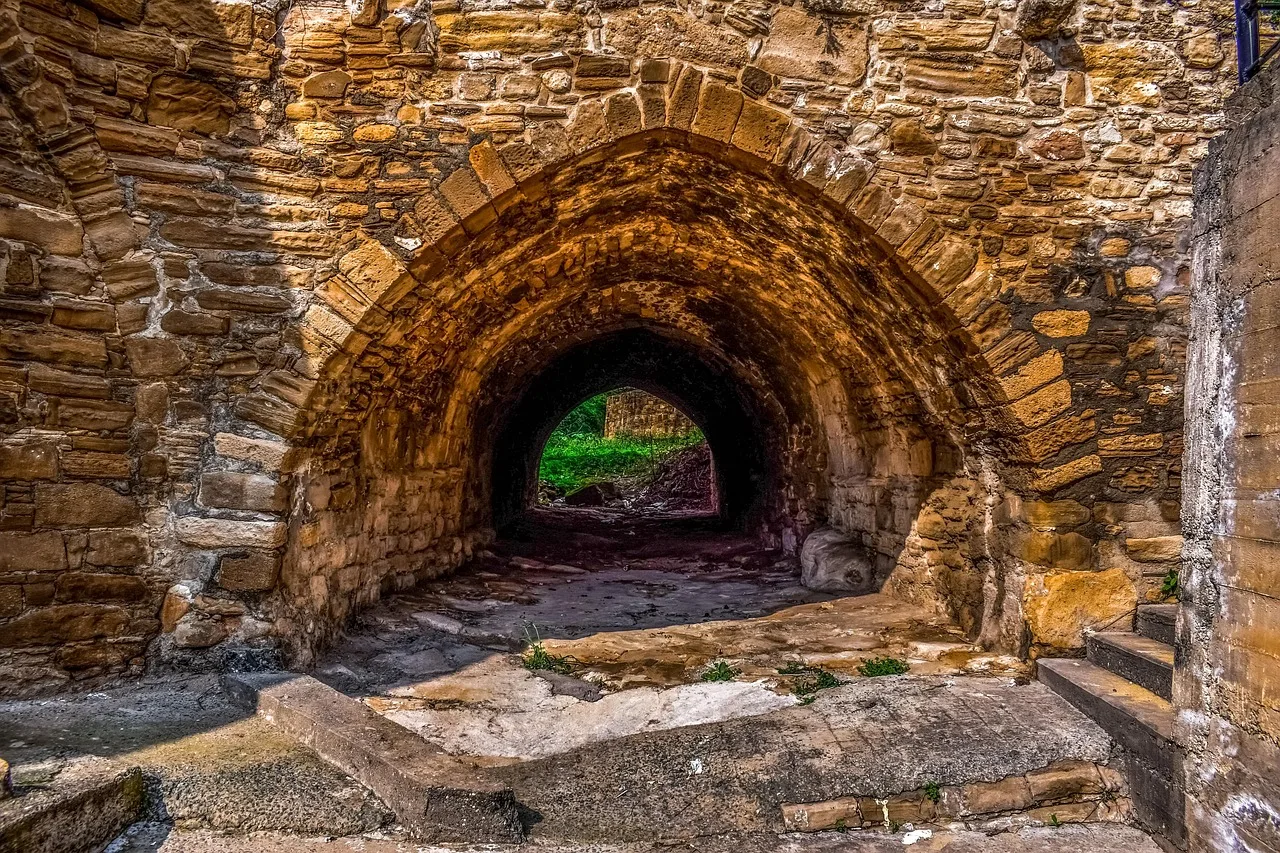
Best Day Trips from Tochni
Tochni is a quiet hillside village with a welcoming countryside feel. From here you can reach ancient ruins, lace-making villages and sunny southern beaches within an easy drive.
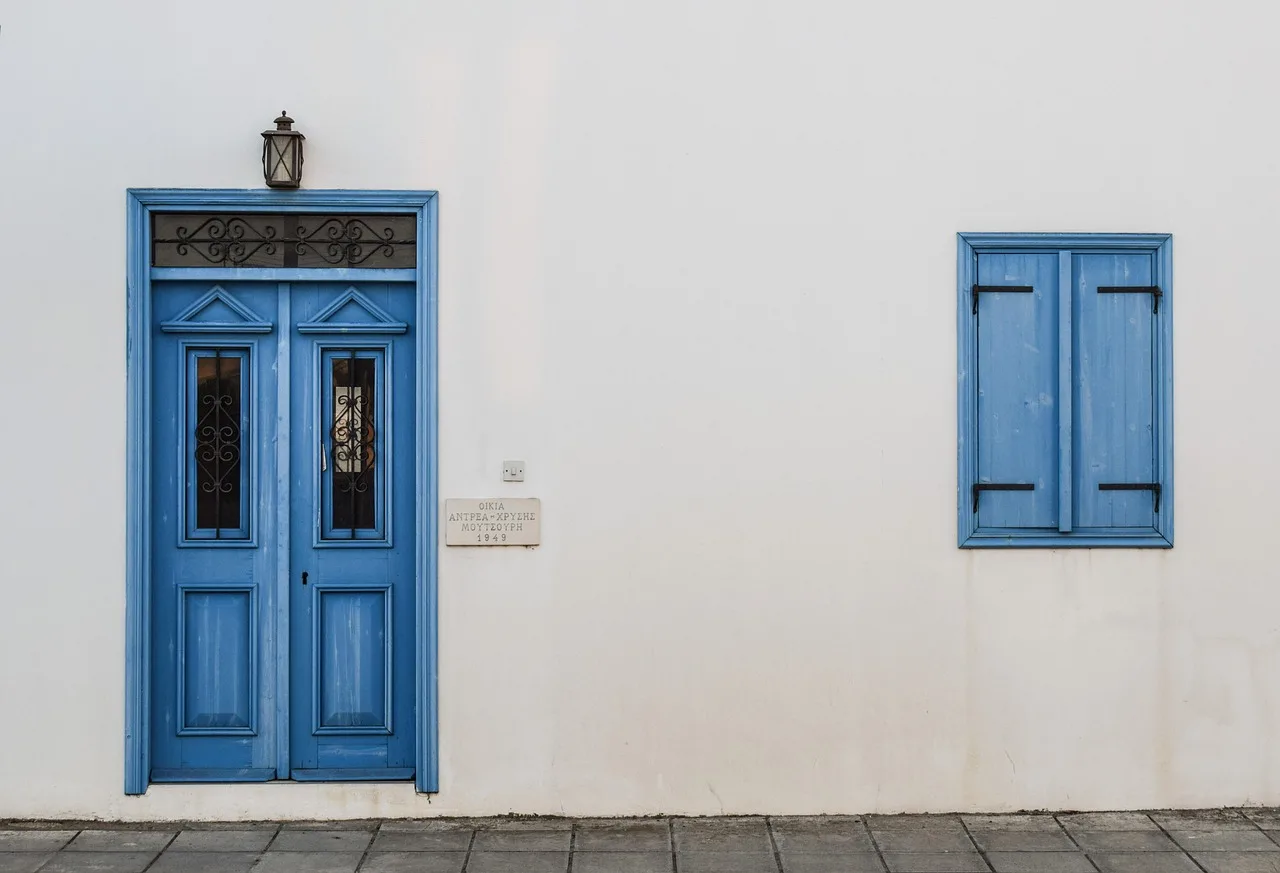
Best Day Trips from Paralimni
Paralimni makes a quiet, authentic base just inland from Protaras. Here are the best day trips from town, from sea caves and monasteries to mountain villages.
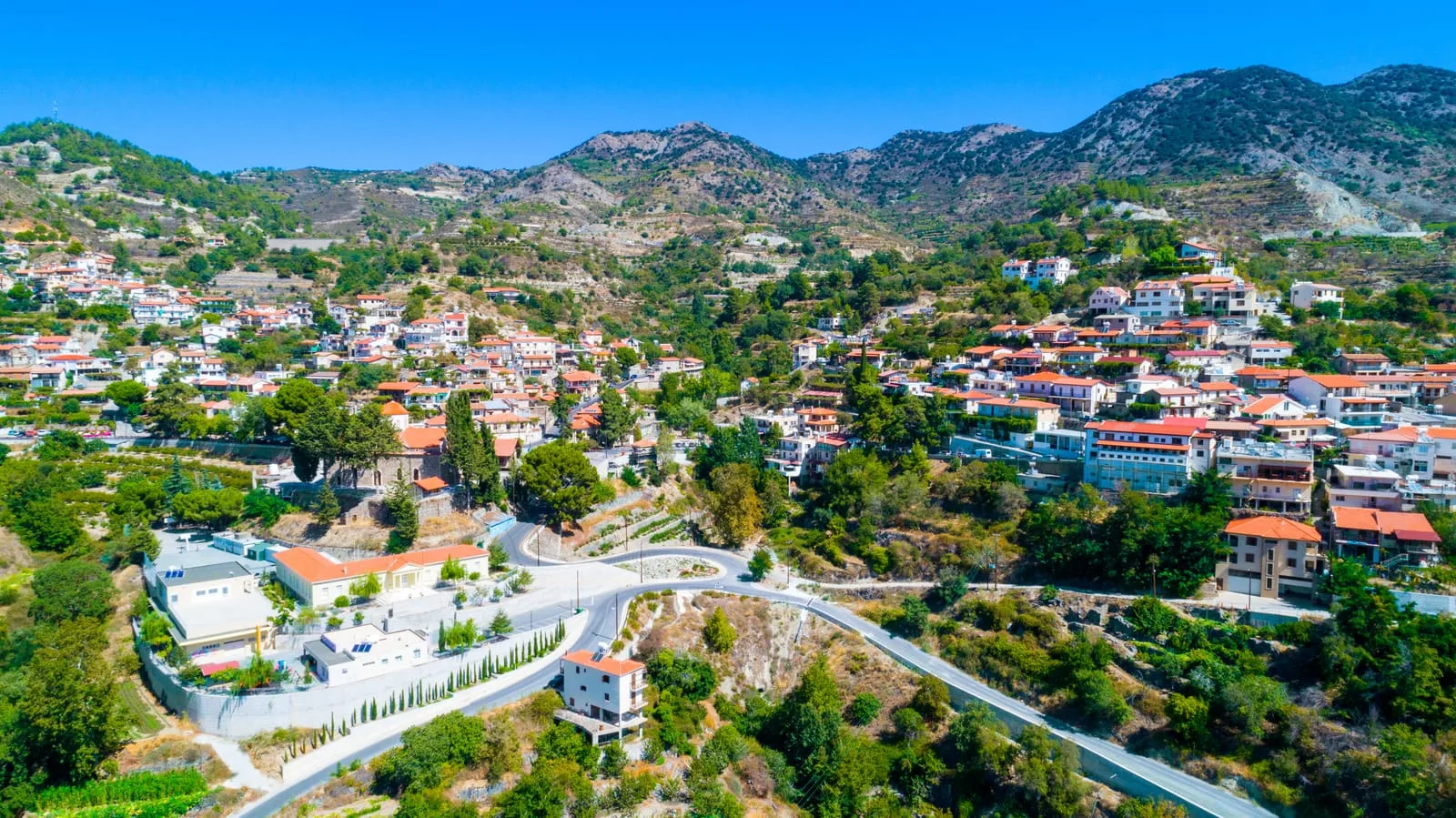
Best Day Trips from Agros
Agros is a quiet base in the eastern Troodos, famous for rose water and cured meats. These day trips take in neighbouring villages, forest walks and mountain monasteries.
