


What to Eat in Pomos: A Local Food Guide
Pomos is a small fishing village on Cyprus's northwest coast, and its food reflects the sea and the surrounding countryside. Here is what to eat and where to look for it.
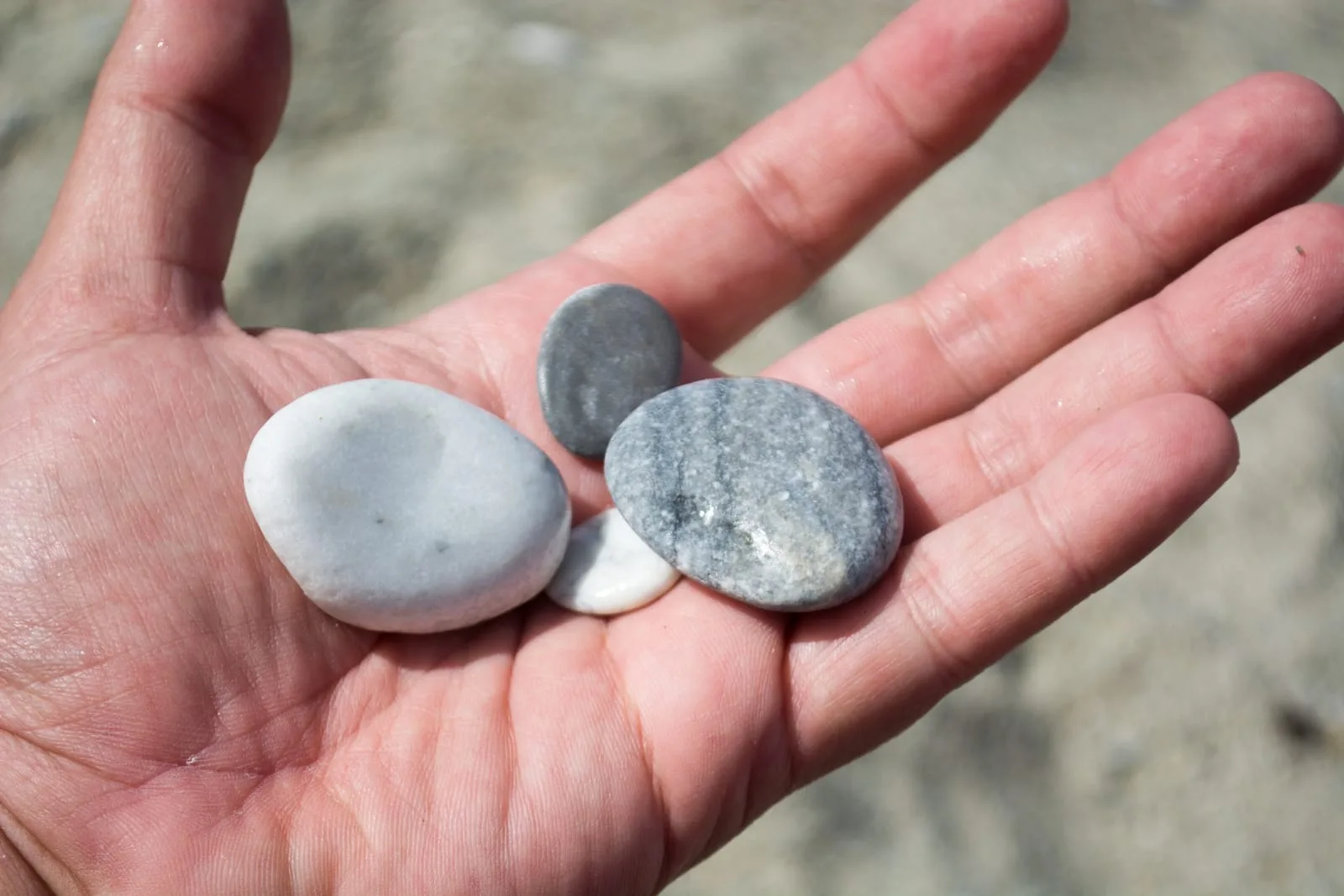
Pomos is a quiet fishing village on the northwest coast of Cyprus, a few kilometres from Polis Chrysochous. Its harbour is small and its beaches are uncrowded, which means the eating here tends to be unhurried and simple. If you are used to the resort towns of the south coast, you will notice the difference straight away: there are fewer menus in several languages and more chances to eat what the village is actually cooking.
Food in Pomos is shaped by two things: the sea that the boats bring in each day, and the rural Paphos District that supplies olive oil, herbs, wine, cheese and bread. Below is a guide to the dishes and drinks worth seeking out.
Fresh fish and seafood
The obvious place to start is the harbour. Small tavernas around the water serve whatever the local boats have landed, and the menu often changes according to the day's catch. Ask what is fresh rather than relying on a fixed list. Grilled red mullet (barbounia), sea bream and sea bass are common choices, usually cooked whole over charcoal and finished with lemon, olive oil and oregano.

Calamari is another staple. It is often served either lightly fried with a squeeze of lemon or grilled whole with a little garlic and parsley. For something more substantial, look for octopus, which is typically tenderised, grilled and dressed simply with vinegar, oil and capers. Prawns and sardines, when in season, are excellent value and very fresh.
Fish is usually sold by weight, so it is worth asking the price per kilo before ordering a large fish. Check locally for current prices, as they vary with the season and the catch.
Meze and grilled meats
Even in a fishing village, Cypriot meze appears on many menus. A traditional spread can include halloumi, pitta bread, tzatziki, hummus, dolmades, salads of tomato and cucumber, and a plate of grilled sausage (loukaniko) or chicken skewers. Meze is designed for sharing and it is a good way to sample several dishes at once. Ordering a mix of seafood meze and a few grilled meats gives you a broad picture of the local kitchen.
Look also for souvlaki, pork or chicken cooked on skewers over charcoal. It is inexpensive, filling and a reliable choice when you want something quick between swims.
Halloumi and local cheeses
Halloumi is Cyprus's best-known cheese and it is worth tasting it in its simplest form: grilled until golden at the edges, with a few slices of fresh tomato and a sprinkle of dried mint. Many Paphos District households still make their own cheeses, and you may find village-produced halloumi or other cheeses in small shops and at weekend markets. Ask for a taste before buying.
Flaounes, the Easter cheese bread, is a seasonal treat. Made with halloumi, mint, raisins and sometimes a little spice, it is traditionally baked around Easter, though you may find it at bakeries in the area at other times.
Bread, pastries and sweets
Village bakeries are worth a visit in the morning. Look for koupes, sweet wheat pastries filled with bulgur, almonds, raisins and cinnamon, which are traditionally made for celebrations. Loukoumades, small fried dough balls soaked in syrup and sometimes served with honey and cinnamon, make a good afternoon snack.
Honey is produced across the Paphos hills, and you may find jars of local honey, sometimes flavoured with thyme or carob, for sale. Carob itself appears in sweets and syrups, and is a traditional sweetener across the island.
Drinks
Cypriot wine is worth exploring. Commandaria, one of the oldest named wines in the world, is a sweet dessert wine from the Troodos foothills, and it is often served as an after-dinner drink. For something lighter, try local white or rosé wines with grilled fish. Zivania, a strong distilled spirit, is traditionally drunk in small measures and is best approached with care. Coffee, whether Cypriot (boiled, sweet or medium) or freddo espresso, is available everywhere and is a good way to finish a long lunch.
Practical tips
- Eat fish at the harbour in the evening, when the day's catch has arrived. Confirm what is fresh before ordering.
- Ask for prices by weight for whole fish and seafood, and check the total before ordering.
- Many village tavernas are family-run and may close on some days or outside the summer season. Check locally before planning a meal.
- Bring cash in case a small taverna or bakery does not accept cards.
- Pomos is best reached by car from Paphos International Airport (PFO), and car rental gives you the flexibility to visit other villages and food producers nearby.
- Sunday lunch is a popular time for families, so book ahead if you want a table at a busy taverna.
Plan your trip to Paphos
Compare prices with KAYAKYou'll be taken to KAYAK to compare prices. We may earn a commission at no extra cost to you.
Plan your trip to Paphos
🏨Find hotels on Booking.comBooking.comAffiliate links — we may earn a small commission.
Deals from our travel partners
 AC Omonia vs Besiktas JK Tickets - GSP Stadium, 2027-01-28Sports Events 365 · from 244 EUR
AC Omonia vs Celtic FC Tickets - GSP Stadium, 2026-12-10Sports Events 365 · from 244 EUR
Pafos FC vs FC Midtjylland Tickets - Alphamega Stadium (Limassol Arena), 2026-11-26Sports Events 365 · from 92 EUR
Maccabi Tel Aviv vs Zalgiris Kaunas Tickets - Spyros Kyprianou Arena, 2026-12-15Sports Events 365 · from 162 EUR
Affiliate links — we may earn a commission at no extra cost to you.
Related guides
Kourion on a Budget: Practical Money-Saving Tips
Kourion's clifftop theatre, mosaic houses and sea views rank among Cyprus's finest ancient sites. With a little planning, you can enjoy them without overspending.

Golf in Cyprus
Cyprus has become a quiet favourite with golfers, offering sunny winter fairways, sea views and a relaxed pace. Here is what to know before you tee off.
What to Pack for a Summer Holiday in Cyprus
Summer in Cyprus is hot, bright and dry for months on end. This practical packing guide covers what to bring for beaches, towns, mountain walks and evenings out.
