


What to Eat in Troodos Mountains: A Local Food Guide
The Troodos Mountains have a cooking style shaped by altitude, pastures and village life. Here is what to eat, where to find it and what to look for.
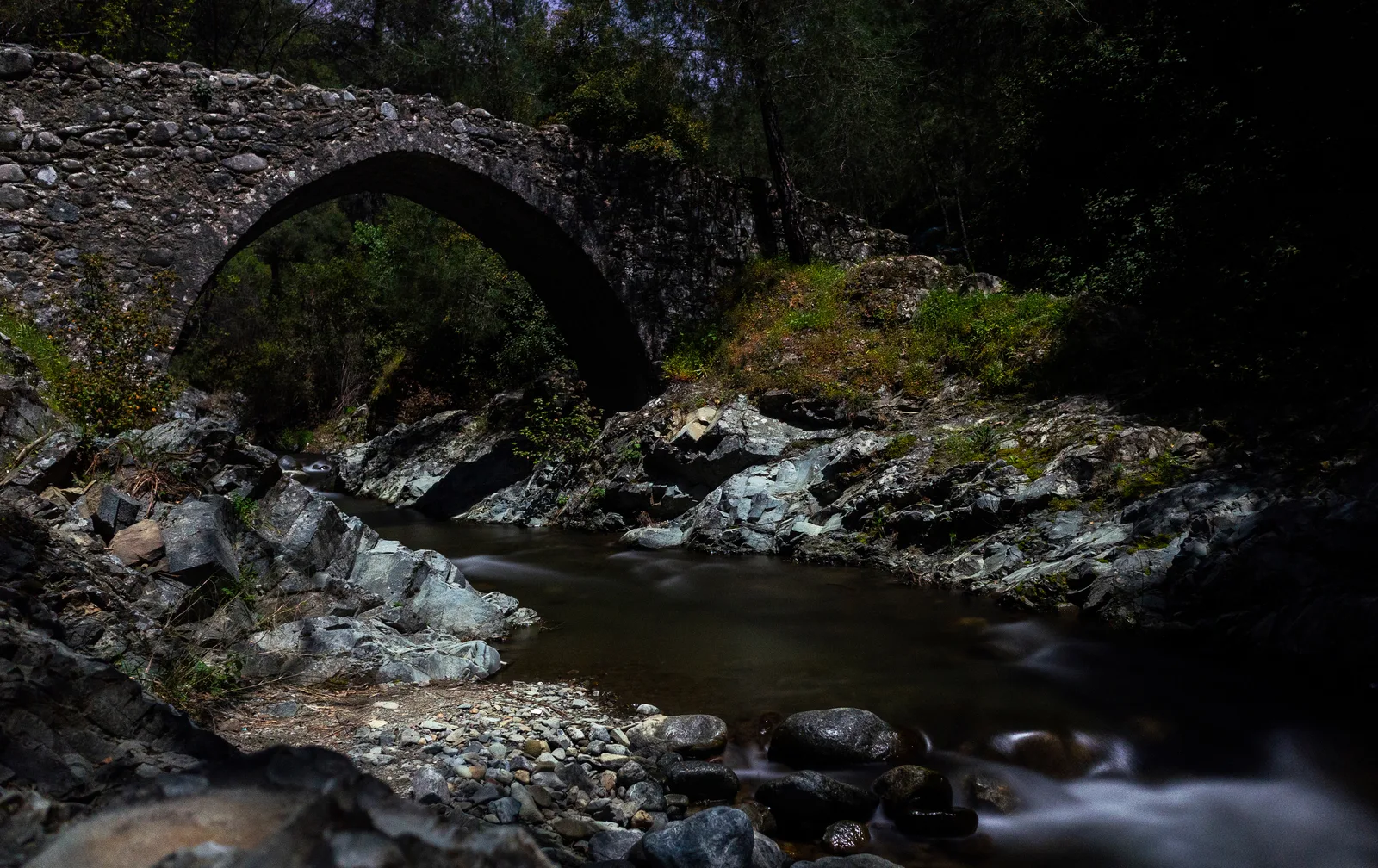
A cuisine shaped by altitude
The Troodos Mountains sit well above the coastal plains, and that height makes a difference to what ends up on the table. Summers are noticeably cooler than on the coast, winters can bring snow to the higher slopes, and the villages have long relied on sheep, goats, cows, orchards and the wild herbs that grow on the hillsides. The food here is hearty, seasonal and often simpler than the mezes you will find in the big coastal resorts, but it rewards the curious traveller.
Eating well in the mountains is mostly a matter of paying attention to what is local and what is in season. Ask what the kitchen is cooking that day, look for dishes built on village ingredients, and do not be surprised if the menu is short. Small tavernas and family-run bakeries often do the best work.
Halloumi and mountain cheeses
Halloumi is the island's best-known cheese, and it is at its most satisfying when it is fresh and made from sheep's or goat's milk, or a blend with cow's milk. Grilled until golden on the outside and soft within, it appears on nearly every menu, but seek out cheese made by local producers where you can. Many villages also make fresh, soft cheeses and sun-dried or smoked varieties that are worth tasting before you buy. Ask whether the cheese is made on the premises or sourced locally; the answer usually tells you a lot about quality.

Trahana and village soups
Trahana is a dried mixture of cracked wheat and fermented milk or yoghurt, traditionally made in the home and dried in the sun on cloths. It is cooked into a thick, tangy soup, often with onion, tomato, or a little meat stock, and it is a comforting dish for cooler mountain evenings. You will find it on the menus of traditional tavernas and sometimes sold in village shops as a dried product to take home.
Other village soups and stews tend to be built on whatever is available: pulses, seasonal vegetables, pork or lamb when a family has slaughtered for a celebration. These are rarely fancy but they show the real character of the cooking.
Wild greens and foraged flavours
Foraging has deep roots in Cypriot village life. Wild greens such as chicory and various wild herbs are often boiled, sauteed with olive oil and lemon, or folded into pies and omelettes. In spring you may see them featured on menus as a simple side dish. Ask what is in season; in a mountain restaurant the menu can change quickly with the weather and the harvest.
Honey and preserves
Mountain honey is a highlight. The flowers and herbs of the higher slopes give it a distinctive character, and many village shops and roadside stalls sell it directly from beekeepers. Look for honey sold in plain jars with a local label, and taste before you buy if the seller offers. Alongside honey you will often find spoon sweets, jams and preserves made from local fruit, such as quince, cherries and figs, which are traditionally served with a glass of water and a cup of coffee when visitors arrive.
Fruit, nuts and orchards
The mountain villages have long been known for their orchards. Depending on the season you may find cherries, apples, pears, plums, walnuts and almonds. Fresh fruit from village stalls is one of the best value and most enjoyable treats in the region, and dried fruit and nuts make excellent things to take on a walk.
Wine from the hills
The Troodos foothills and higher vineyards produce wines that many visitors find refreshing, particularly the lighter whites and rosés suited to cooler evenings. Local wineries and tasting rooms in the area are good places to learn about Cypriot grape varieties, and a bottle or two of local wine makes a fine souvenir. Drink responsibly if you are driving on the mountain roads.
Where to eat
Choose tavernas in the villages rather than only roadside stops, and look for places that are busy with local families at lunchtime. Mezes are common in the region, but in the mountains expect more home-style dishes and fewer elaborate spreads. Many restaurants close outside the main season or on certain days, so it is worth checking locally before you plan a meal around a particular place.
Practical tips
- Plan lunch as the main meal in the mountains; many kitchens are busiest between midday and early afternoon.
- Ask what is seasonal and what the kitchen has prepared that day.
- Buy honey, cheese and preserves from producers where possible, and taste before you commit.
- Check opening days and hours locally, as village restaurants can keep irregular schedules, particularly in winter.
- Carry some cash for small village shops, bakeries and roadside stalls.
- Pace yourself on the winding roads, especially if you plan to try local wine.
Plan your trip to Kakopetria
Compare prices with KAYAKYou'll be taken to KAYAK to compare prices. We may earn a commission at no extra cost to you.
Plan your trip to Kakopetria
🏨Find hotels on Booking.comBooking.comAffiliate links — we may earn a small commission.
Deals from our travel partners
 AC Omonia vs Besiktas JK Tickets - GSP Stadium, 2027-01-28Sports Events 365 · from 244 EUR
AC Omonia vs Celtic FC Tickets - GSP Stadium, 2026-12-10Sports Events 365 · from 244 EUR
Pafos FC vs FC Midtjylland Tickets - Alphamega Stadium (Limassol Arena), 2026-11-26Sports Events 365 · from 92 EUR
Maccabi Tel Aviv vs Zalgiris Kaunas Tickets - Spyros Kyprianou Arena, 2026-12-15Sports Events 365 · from 162 EUR
Affiliate links — we may earn a commission at no extra cost to you.
Related guides
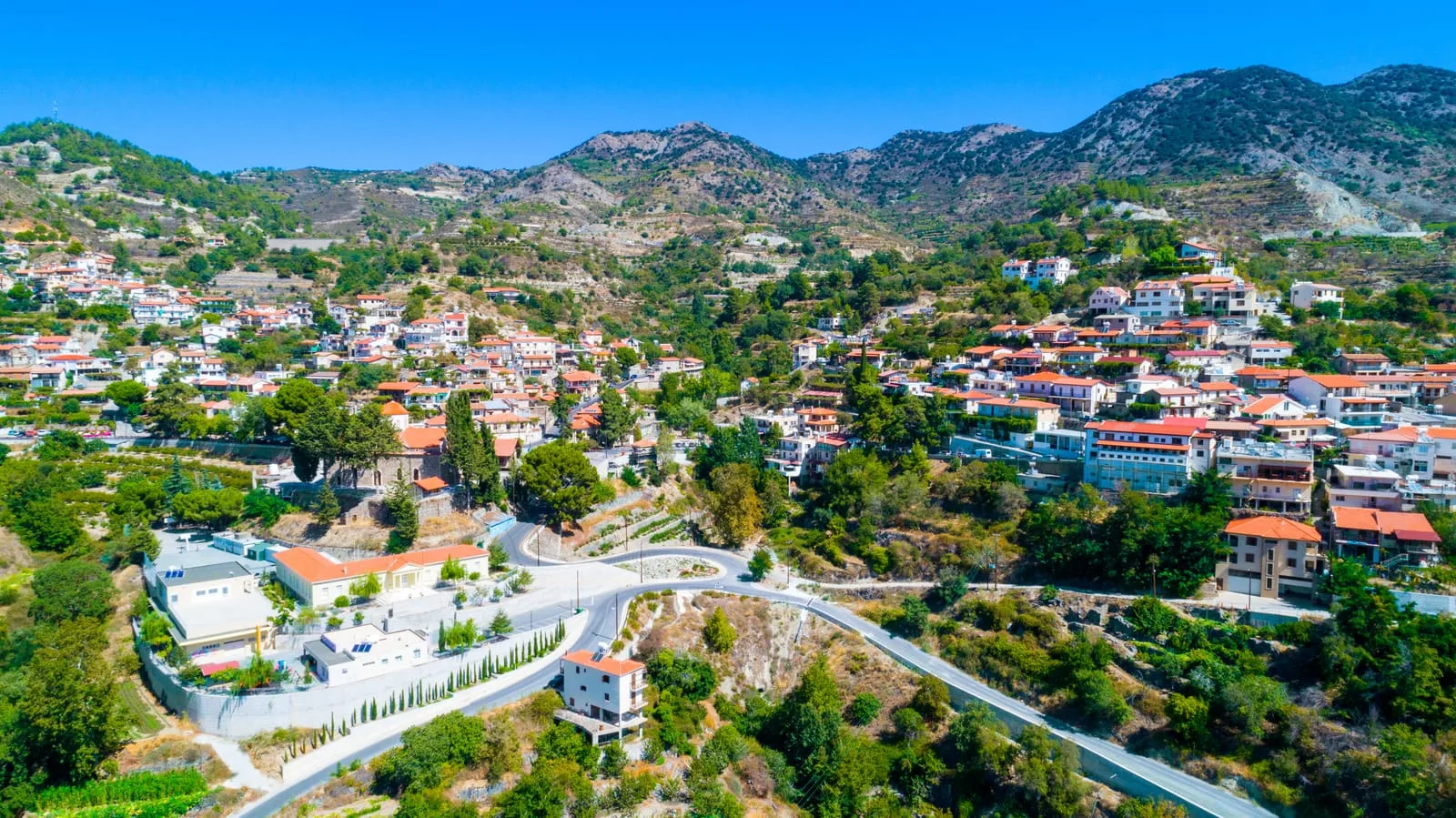
Best Day Trips from Agros
Agros is a quiet base in the eastern Troodos, famous for rose water and cured meats. These day trips take in neighbouring villages, forest walks and mountain monasteries.
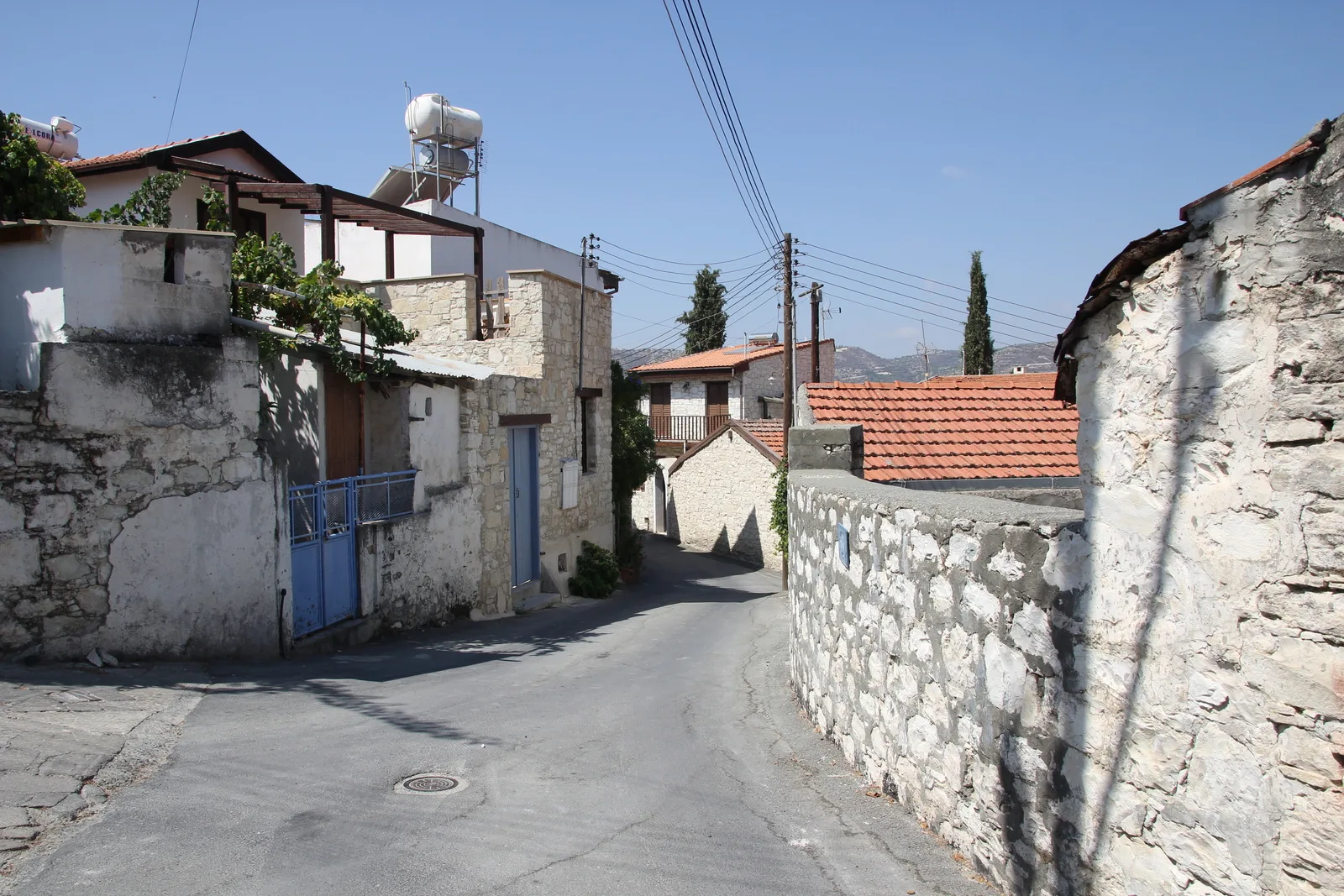
Best Day Trips from Lofou
Lofou makes an ideal base for exploring the Limassol hills. Here are the best day trips, from mountain villages to coastal stops, and how to plan each one.
Golf in Cyprus
Cyprus has become a quiet favourite with golfers, offering sunny winter fairways, sea views and a relaxed pace. Here is what to know before you tee off.
