


When Do Cyprus Waterfalls Flow? A Seasonal Guide
Cyprus is better known for sun than for running water, but its mountain streams can produce surprising falls after winter rain. Here is how to time your visit.
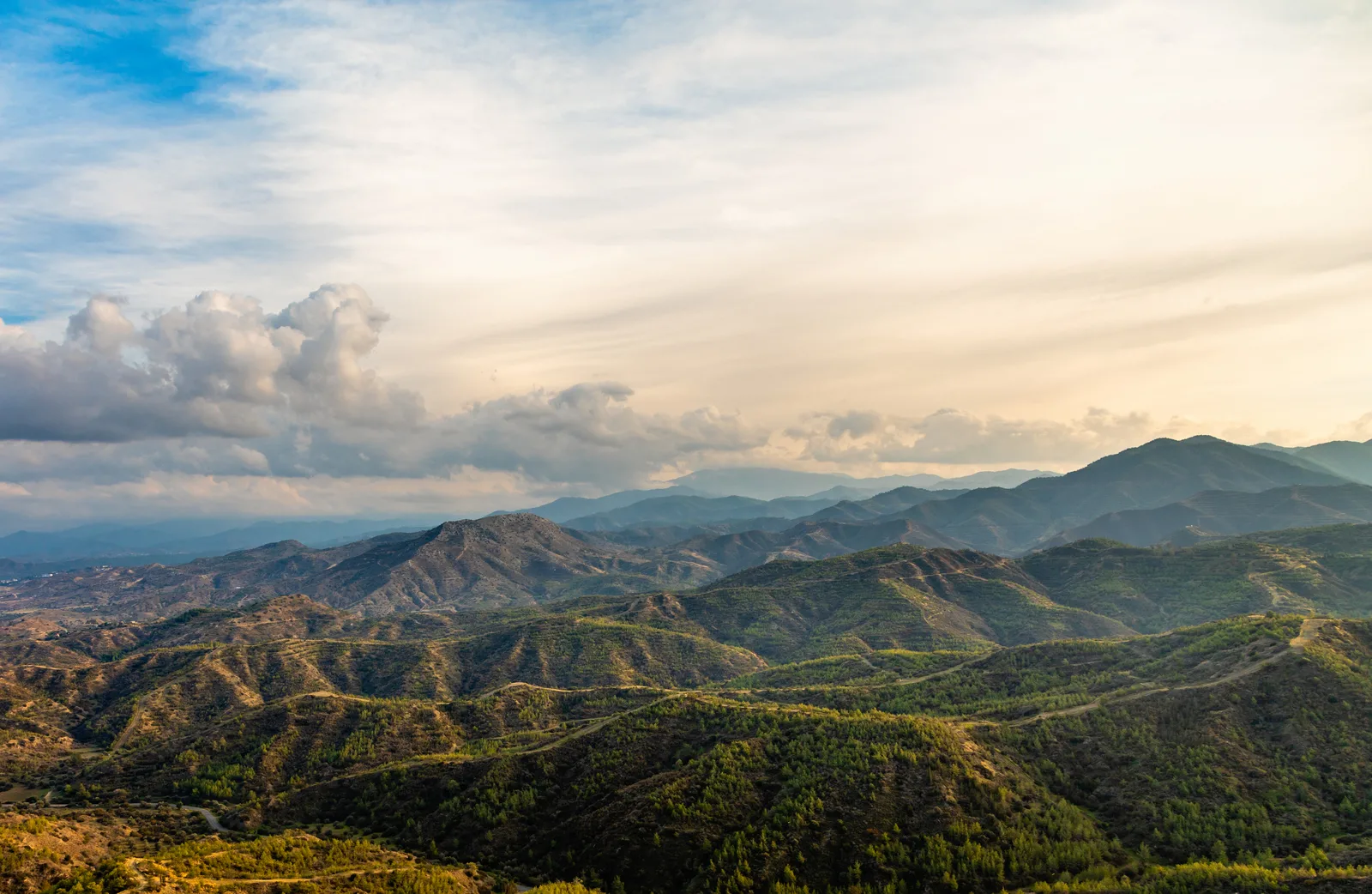
Cyprus and Its Water Story
Most visitors arrive expecting dry hills, bright sea and little else, and for much of the year that expectation holds. Cyprus has a Mediterranean climate with long, hot, almost rainless summers and mild, wetter winters. Rainfall falls mostly between November and March, and it concentrates on the Troodos Mountains in the centre-west of the island, which receive the most precipitation and feed the streams that drain down through forested valleys. Waterfalls here are seasonal rather than permanent, and their behaviour depends almost entirely on how much rain has fallen in the preceding weeks.
That means a waterfall that roars in February may be reduced to a damp rock face by late June. Understanding this rhythm will save you a wasted journey and help you choose the right destination for the month you are travelling.
Winter and Early Spring: The Best Window
From December through March, and sometimes into April after a wet winter, the upland streams are at their fullest. This is when the Troodos foothills are greenest and the rivers carry the most water. Villages such as Kakopetria and Platres sit in valleys that come alive with running water after rain, and the trails around them are easiest to walk when the air is cool.

Be aware that heavy rain can make mountain paths slippery and streams temporarily dangerous to cross. Check recent weather before setting out, avoid gorges immediately after a storm, and never attempt a crossing where the current looks strong. Waterfall flow peaks a few days after heavy rainfall, so a sunny day following a wet spell can be an excellent time to go.
Late Spring: A Transitional Period
April and May are a mixed picture. In a good year, the Troodos streams still carry plenty of water and wildflowers line the paths, making this one of the most pleasant times for a walk. In a dry year, many falls will already have slowed to trickles. Because conditions shift quickly, treat late spring as a time to confirm current conditions rather than assume the flow you saw in a guidebook still applies.
Summer: Expect Very Little
From June through September, rainfall is negligible and most seasonal waterfalls dry up completely or retain only small pools. Summer is the season for the coast, not the hills. If your heart is set on waterfall scenery, you will be disappointed in July or August, and the heat in the lower-lying areas makes long uphill walks unpleasant. Instead, use the summer months for sea-based activities and save inland hikes for the cooler, wetter part of the year.
Even in summer, some shaded gorges in the mountains hold moisture and cool air, so they can still make a refreshing stop, but do not plan around water flowing over the rock.
Autumn: The Return of the Rain
October and November are when the island begins to change. The first autumn rains can bring streams back to life, though the flow usually builds gradually rather than all at once. Early November is often a good time to see the first real signs of water returning, particularly after a storm. Autumn also offers mild temperatures that suit walking, and the hills are quieter than in peak season.
Choosing Where to Go by Season
The Troodos Mountains hold the greatest concentration of waterfall-friendly terrain, and villages around them, including Pedoulas, Kalopanagiotis and Omodos, make convenient bases. In winter and spring, these areas are the strongest choice. Closer to the coast, flow is generally lighter, so set your expectations accordingly.
For a reliable outdoor experience at any time of year, consider pairing a mountain walk with a cultural stop. The Troodos region is also known for its villages, churches and local food, so even a dry-stream visit can be rewarding.
Practical Tips
- Plan mountain walks for December to April, when flow is most likely.
- Check recent rainfall and local conditions before you set out; check locally for trail updates.
- Avoid gorges and stream crossings during or just after heavy rain.
- Wear proper walking shoes with good grip, as rocks become slick.
- In summer, focus on the coast and treat mountain streams as scenic rather than watery.
- Carry water, sun protection and a charged phone, and tell someone your route.
- Dates and conditions vary from year to year, so verify before relying on any single month.
Plan your trip to Kakopetria
Compare prices with KAYAKYou'll be taken to KAYAK to compare prices. We may earn a commission at no extra cost to you.
Plan your trip to Kakopetria
🏨Find hotels on Booking.comBooking.comAffiliate links — we may earn a small commission.
Deals from our travel partners
 AC Omonia vs Besiktas JK Tickets - GSP Stadium, 2027-01-28Sports Events 365 · from 244 EUR
AC Omonia vs Celtic FC Tickets - GSP Stadium, 2026-12-10Sports Events 365 · from 244 EUR
Pafos FC vs FC Midtjylland Tickets - Alphamega Stadium (Limassol Arena), 2026-11-26Sports Events 365 · from 92 EUR
Maccabi Tel Aviv vs Zalgiris Kaunas Tickets - Spyros Kyprianou Arena, 2026-12-15Sports Events 365 · from 162 EUR
Affiliate links — we may earn a commission at no extra cost to you.
Related guides
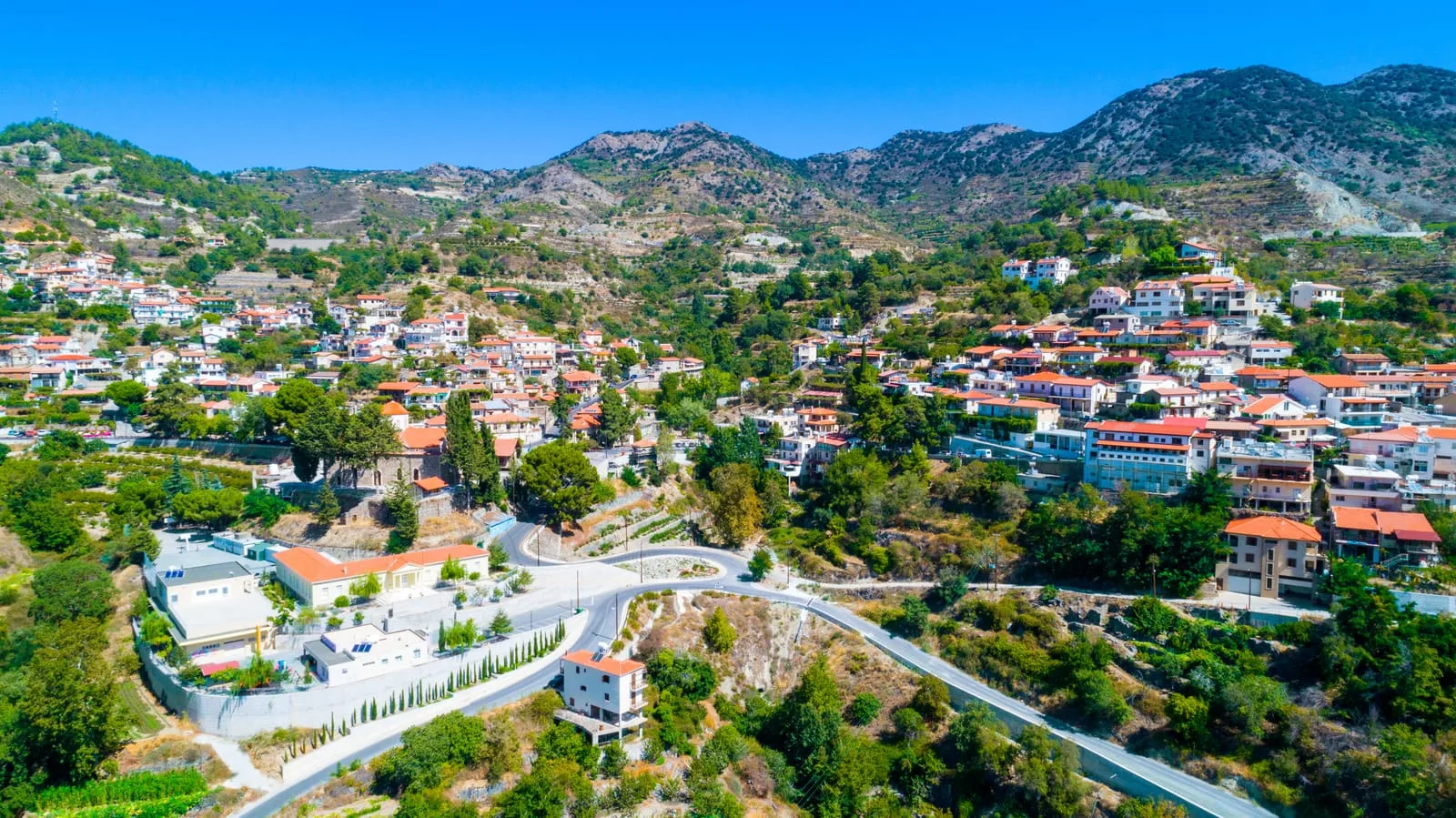
Best Day Trips from Agros
Agros is a quiet base in the eastern Troodos, famous for rose water and cured meats. These day trips take in neighbouring villages, forest walks and mountain monasteries.
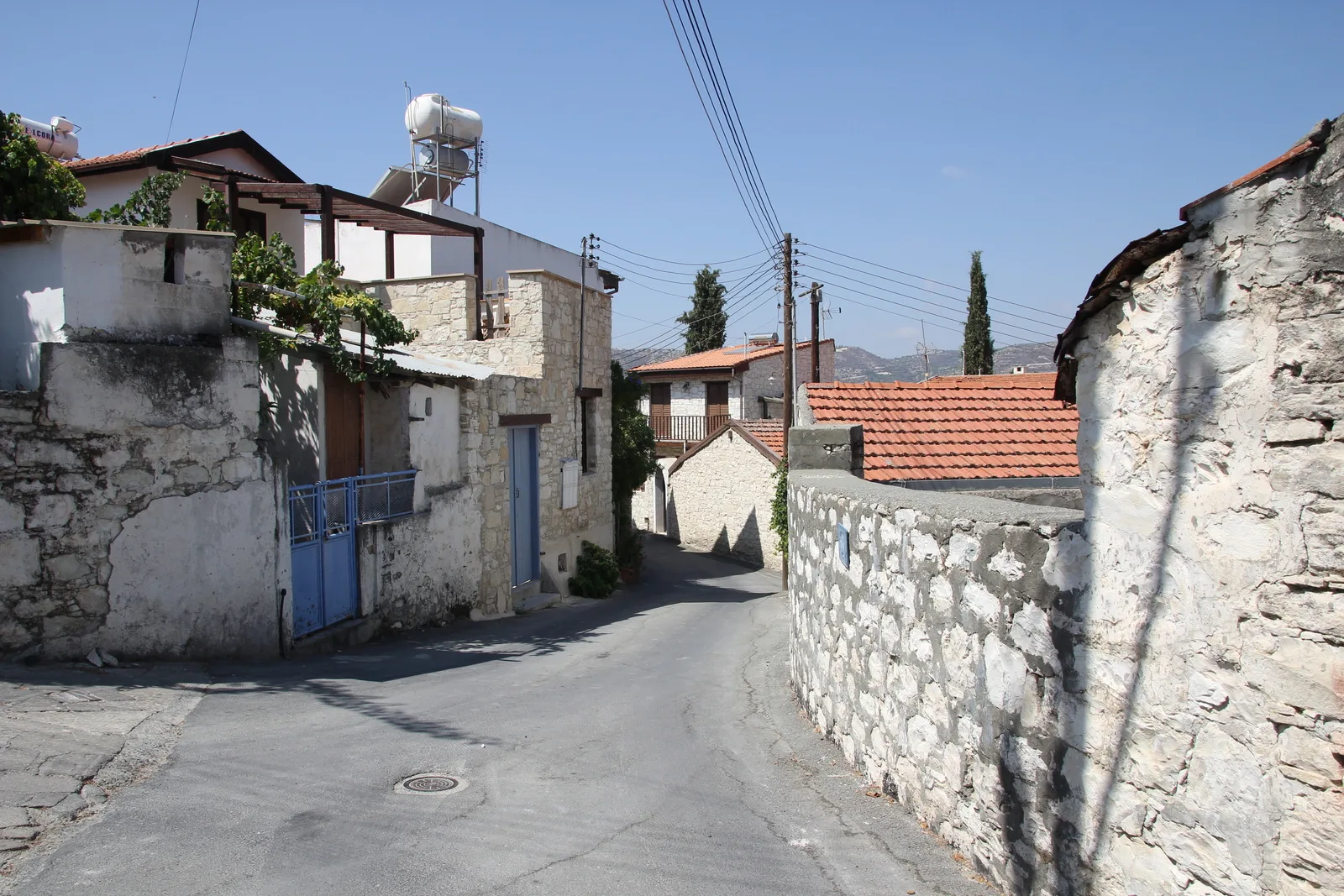
Best Day Trips from Lofou
Lofou makes an ideal base for exploring the Limassol hills. Here are the best day trips, from mountain villages to coastal stops, and how to plan each one.
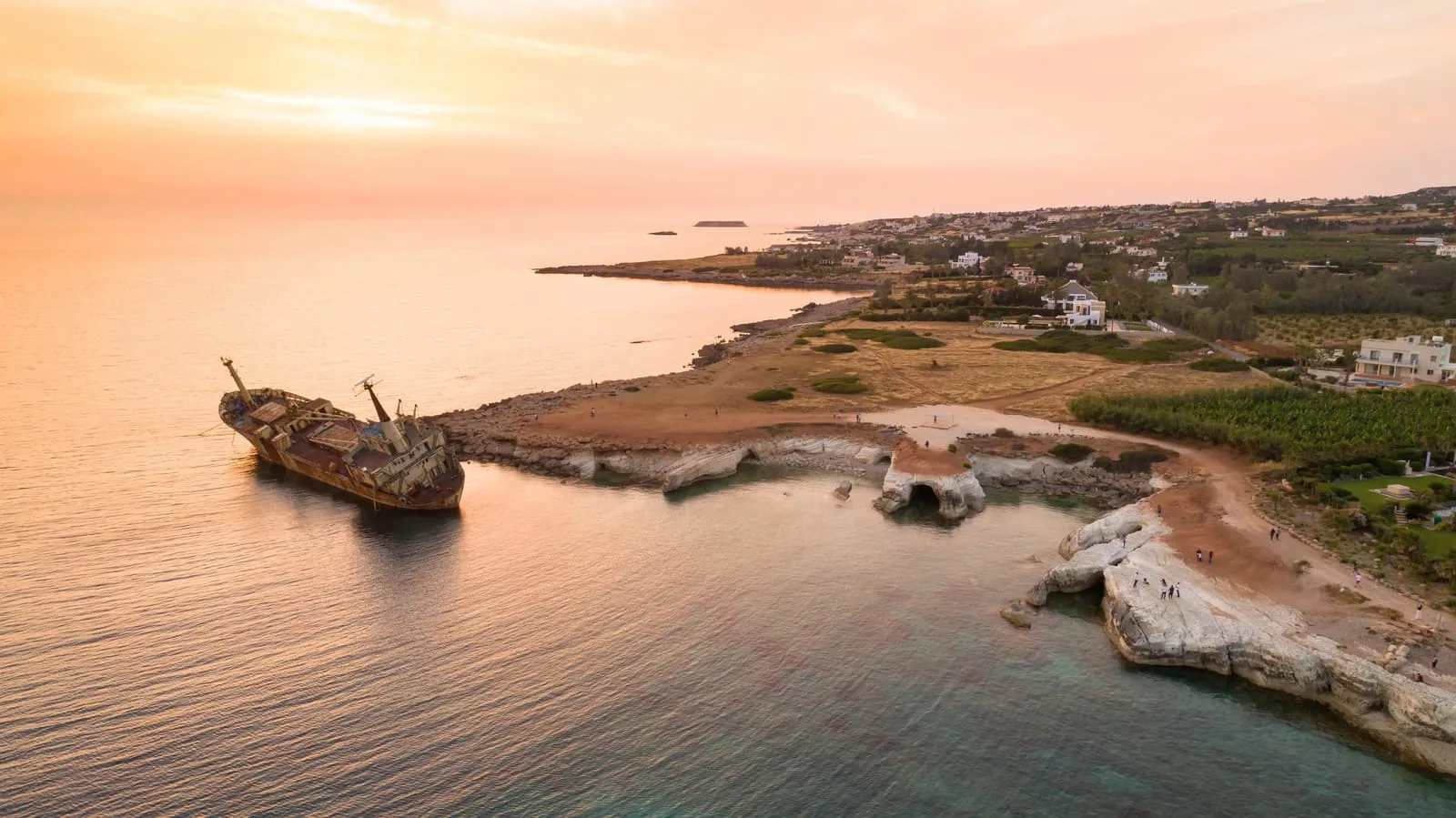
Golf in Cyprus
Cyprus has become a quiet favourite with golfers, offering sunny winter fairways, sea views and a relaxed pace. Here is what to know before you tee off.
