


What to Eat in Choirokoitia: A Local Food Guide
Choirokoitia is best known for its prehistoric round houses, but the village and its surroundings also offer a satisfying table. Here is what to eat and where to look.
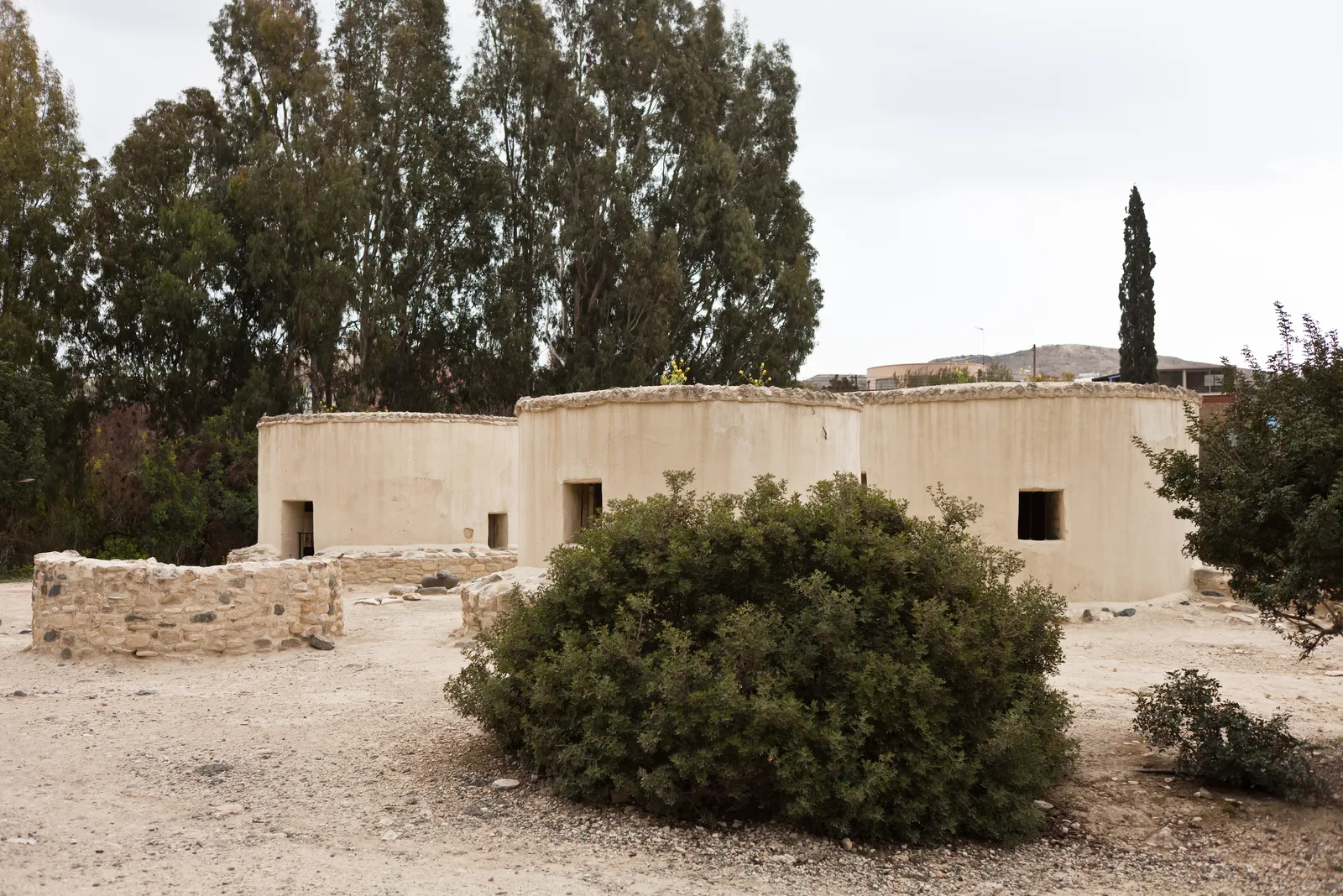
A Village Table Shaped by the Hills
Choirokoitia sits on the slopes of the Vasilikos valley in the Larnaca District, a short drive inland from the coast. Most visitors come to walk among the reconstructed round houses of the Neolithic settlement, which is one of the best-preserved sites of its kind in the eastern Mediterranean and a UNESCO World Heritage Site. Yet the village itself, and the neighbouring communities of Tochni and Kalavasos, have their own food traditions. Cooking here has long leaned on what grows locally: olives, grapes, herbs, goats' and sheep's milk, and wheat, all cultivated on dry hillsides and terraces.
If you plan a food-focused day, it helps to think in terms of the Cypriot meze tradition, the slow weekend lunch, and the simple village bakery or kafeneio snack. Each gives you a different way into the local kitchen.
Meze: The Classic Cypriot Lunch
Meze is the heart of Cypriot eating. A meze arrives as a series of small plates, often ten or more, and is meant to be shared slowly over conversation and a glass of wine or a local beer. In the villages of this region you will typically find grilled meats such as souvlaki and sheftalia (small pork sausages wrapped in caul fat), alongside salads, dips, fried halloumi, olives, and bread.

Look for halloumi that has been grilled or fried until golden on the outside and soft within. It is traditionally made from a mix of goats' and sheep's milk, and it holds its shape under heat, which is why it works so well at the table. Pair it with a few slices of fresh tomato and a little dried mint.
- Souvlaki: skewered and grilled pork or chicken, usually served with pitta and salad.
- Sheftalia: minced pork seasoned with onion and herbs, grilled and wrapped in caul fat.
- Halloumi: grilled or fried, often served with watermelon in summer.
- Tzatziki and taramasalata: classic dips to scoop up with warm bread.
- Koupepia: vine leaves stuffed with minced meat and rice, cooked in lemon sauce.
Halloumi and Other Local Cheeses
Cyprus is closely associated with halloumi, and the cheese is a staple across the island. Beyond the grilled version, you may come across halloumi that is cured or dried, or other local cheeses such as anari, a soft, fresh whey cheese that is delicious spread on bread or stirred into a salad. Village shops and small tavernas in the Larnaca District are a good place to try these, and it is worth asking what is made locally that day.
Olives, Oil and Village Bread
The hills around Choirokoitia are dotted with olive groves, and olive oil appears on nearly every table. Use it generously on bread, with a sprinkle of salt and oregano, or drizzled over a village salad. Plain bread, sometimes baked in the traditional way, makes a simple companion to dips and cheeses. Olives themselves are often served at the start of a meal, usually lightly marinated with herbs, garlic or citrus peel.
Sweet Treats and Coffee
Cypriot sweets are typically rich and fragrant. Look for loukoumi, the island's version of Turkish delight, often flavoured with rosewater or mastic and dusted with icing sugar. Spoon sweets, known as glyka tou koutaliou, are fruits or vegetables preserved in syrup and served with a glass of cold water and a teaspoon. Coffee is usually Greek-style, strong and sweet to taste, and is best enjoyed slowly in a local kafeneio where you can watch village life go by.
Where to Eat
The Choirokoitia area is small and quiet, so restaurants are more modest than in the big resorts. Many visitors combine a morning at the archaeological site with a relaxed lunch in a village taverna or in the larger towns nearby. For a wider choice, the seaside town of Larnaca is about a short drive away and has a good range of meze restaurants, fish tavernas and cafes along its promenade.
Practical Tips
- Plan lunch as a leisurely event. Meze service can take time, and that is part of the experience.
- Renting a car makes it much easier to reach village tavernas and food shops. Public transport in the area is limited, so local taxis are the fallback option.
- Ask what is freshly made or in season. Village kitchens often change their menus with the harvest.
- Opening hours and days vary, especially outside the summer season, so check locally before you set out.
- Bring water and sun protection if you visit the archaeological site before eating, as the hillside is exposed.
Plan your trip to Choirokoitia
Compare prices with KAYAKYou'll be taken to KAYAK to compare prices. We may earn a commission at no extra cost to you.
Plan your trip to Choirokoitia
🏨Find hotels on Booking.comBooking.comAffiliate links — we may earn a small commission.
Deals from our travel partners
 AC Omonia vs Besiktas JK Tickets - GSP Stadium, 2027-01-28Sports Events 365 · from 244 EUR
AC Omonia vs Celtic FC Tickets - GSP Stadium, 2026-12-10Sports Events 365 · from 244 EUR
Pafos FC vs FC Midtjylland Tickets - Alphamega Stadium (Limassol Arena), 2026-11-26Sports Events 365 · from 92 EUR
Maccabi Tel Aviv vs Zalgiris Kaunas Tickets - Spyros Kyprianou Arena, 2026-12-15Sports Events 365 · from 162 EUR
Affiliate links — we may earn a commission at no extra cost to you.
Related guides
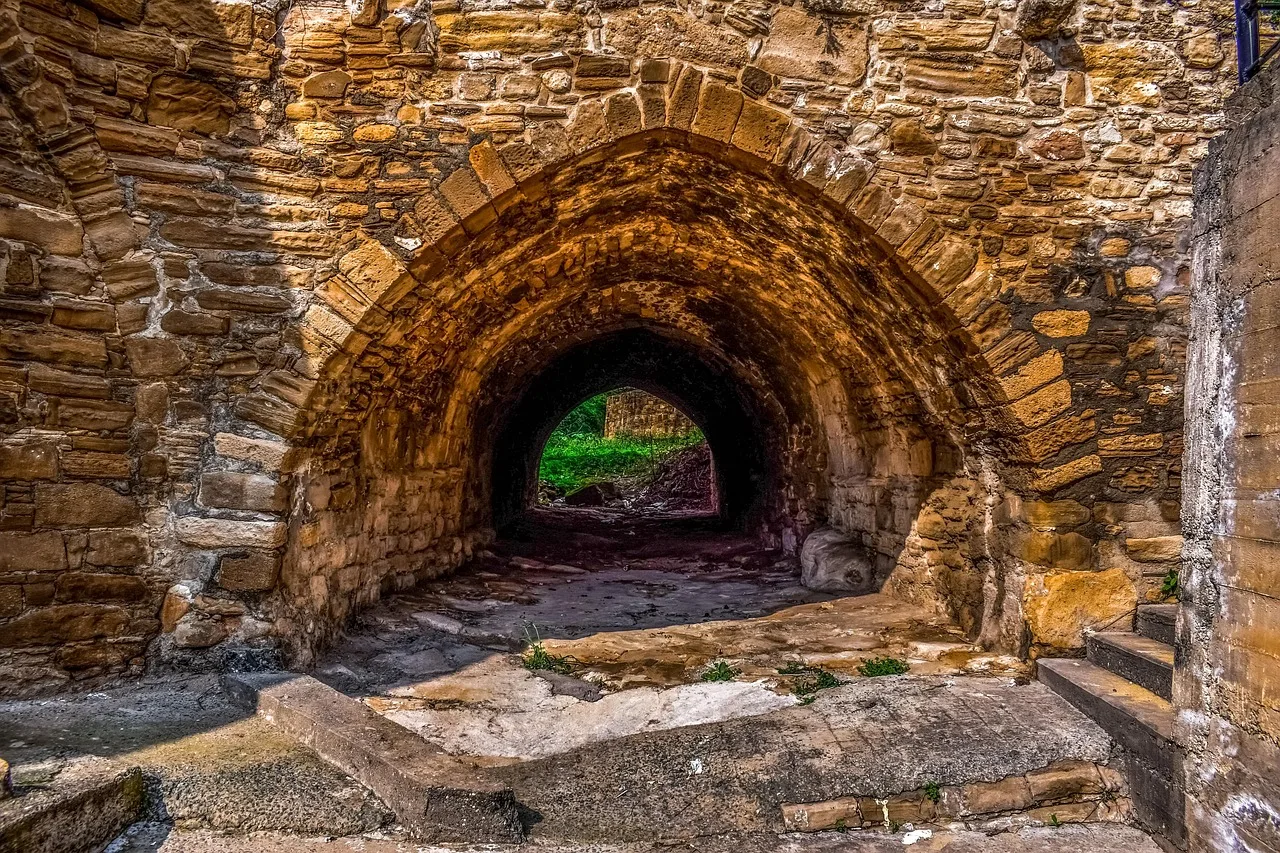
Best Day Trips from Tochni
Tochni is a quiet hillside village with a welcoming countryside feel. From here you can reach ancient ruins, lace-making villages and sunny southern beaches within an easy drive.
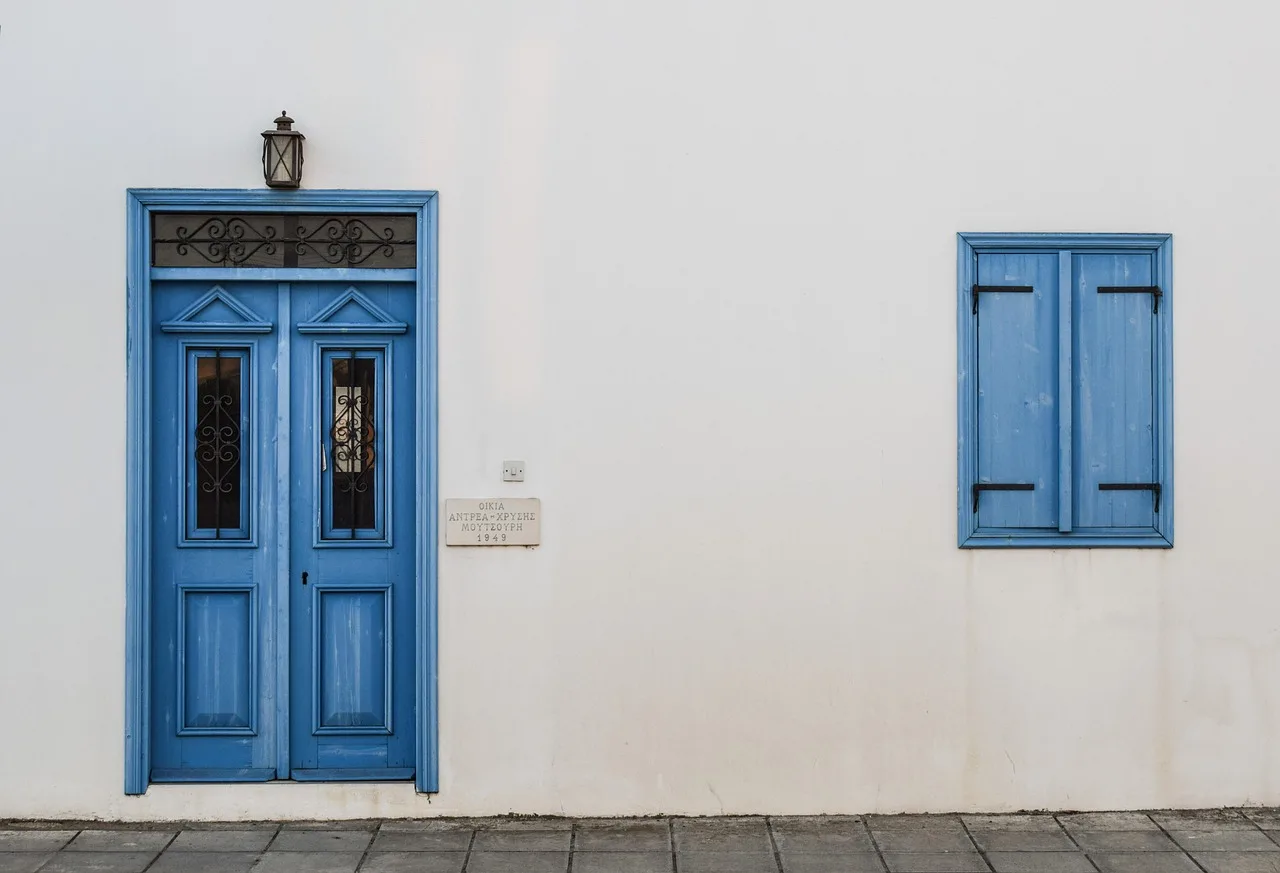
Best Day Trips from Paralimni
Paralimni makes a quiet, authentic base just inland from Protaras. Here are the best day trips from town, from sea caves and monasteries to mountain villages.
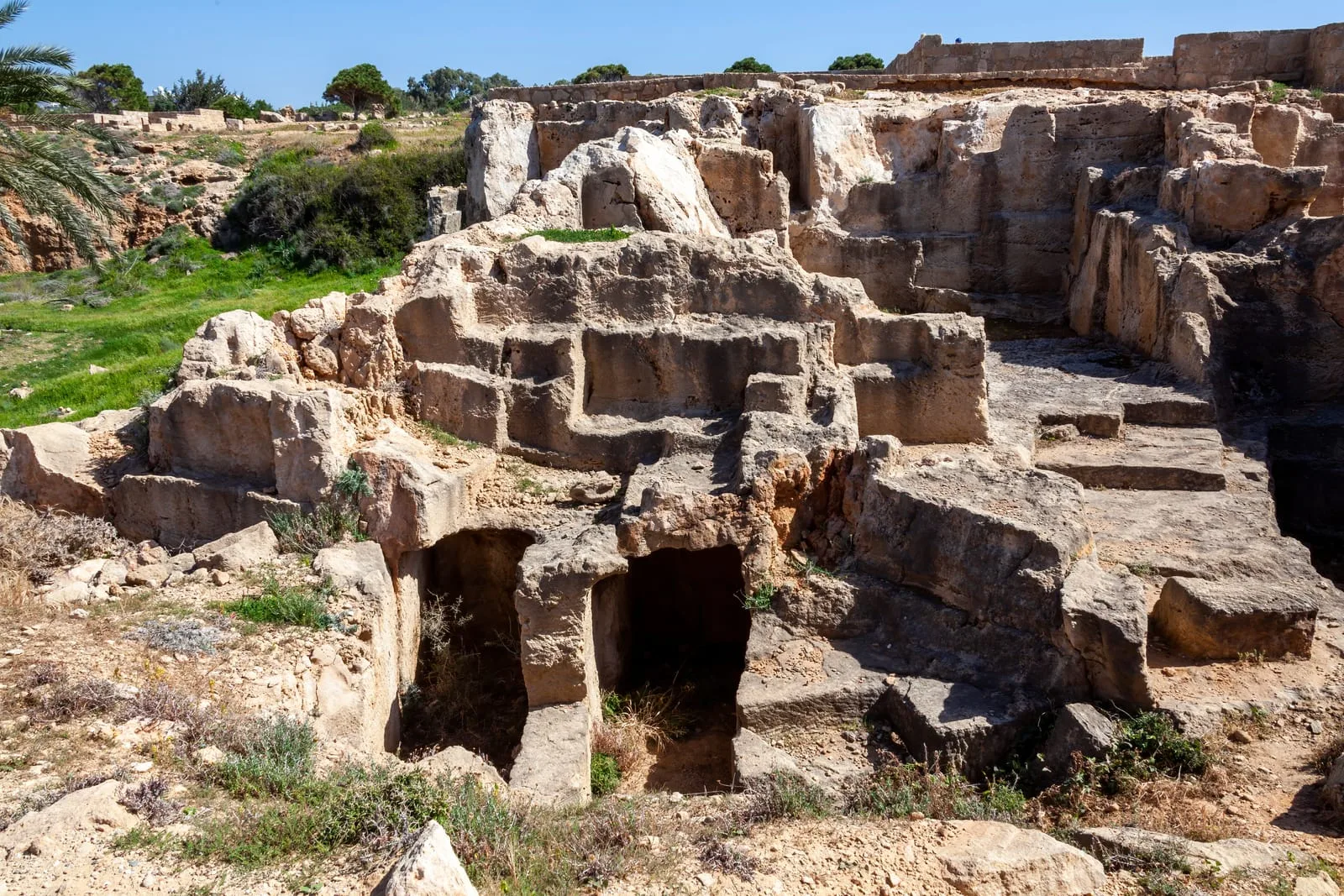
Driving in Cyprus: Rules, Roads and Practical Tips
Driving is the best way to explore Cyprus at your own pace, from the Troodos forests to quiet coastal villages. Here is what to know about rules, roads and renting a car.
